You know how life feels like one big puzzle sometimes? Seriously, figuring out who we are can be a wild ride.
Like, sometimes you wake up feeling one way and by noon, you’re someone totally different. It’s confusing!
That’s where the whole “16 Personalities” thing comes in. Ever heard of it? It’s like this cool tool that helps break down our quirks and traits into bite-sized bits.
I’ve been diving into it for my mental wellness journey. And honestly? It’s been eye-opening!
So, come along with me as we unpack this together. We’ll explore how understanding our personalities can seriously help us feel better and live life more authentically. Sound good?
Exploring the Connection Between Personality Types and Mental Health Issues
Exploring the connection between personality types and mental health issues is like peeling an onion. There are layers to it, you know? So, let’s dig in.
Personality types can influence how we react to stressors and challenges in life. For instance, if you’re an extrovert, you might lean on social interactions for support when times get tough. But if you’re more of an introvert, you might find solace in solitude, which can sometimes lead to feeling isolated if things really hit the fan.
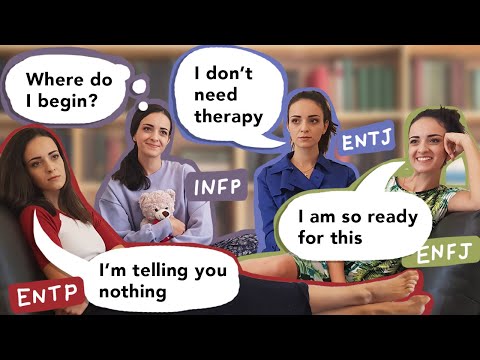
The 16 Personalities framework, based on the Myers-Briggs Type Indicator (MBTI), provides a unique lens to look at personality and mental health. Here’s a breakdown of some ways personality traits can relate to mental wellness:
- Emotional Resilience: Some personality types are naturally more resilient and handle stress better. For example, type ENFJ may bring people together during crises, while INFPs might feel overwhelmed by negative emotions.
- Perfectionism: Types like INTJ or ISTJ may struggle with perfectionism. This quest for perfection can lead to anxiety or burnout since they set incredibly high standards for themselves.
- Social Support: Extroverted types may thrive on social interactions, building robust networks that help during tough times. Meanwhile, introverted folks might need more personal space but should be mindful of not withdrawing too much.
- Decision-Making Styles: Some types take longer to make decisions due to their contemplative nature like INTPs whereas others like ESFPs tend to go with the flow. This difference can impact how each handles stress and uncertainty.
Let me share a heartfelt example—my friend Sam identifies as an INFJ (the Advocate). He has this incredible ability to empathize deeply with others but often feels drained by the emotional weight he carries for those around him. He tends to take on too much responsibility for others’ feelings, getting stuck in cycles of worry or self-doubt, leading him sometimes into depressive states. Understanding his personality helps him recognize these patterns; now he’s getting better at setting boundaries.
It’s not just about being one personality type over another; it’s about understanding your own tendencies and how they affect your mental well-being. Knowing your type can guide you in recognizing triggers that lead to stress or anxiety.
Lastly, don’t forget that everyone is unique! Your experiences will differ even within the same type because life experiences shape us just as much as our innate personalities do.
So when you’re navigating your own mental wellness journey, think about how your personality plays a role. It could provide valuable insights into managing stressors and enhancing your overall emotional health!
Discover Your 16 Personalities: A Fun Quiz for Enhanced Mental Wellness
It’s pretty wild how we all see the world, right? The 16 Personalities framework really helps shine a light on those differences. This model is based on the Myers-Briggs Type Indicator and takes into account your preferences in four main areas: where you focus your attention, how you process information, how you make decisions, and how you approach life.
Taking a quiz to find out your personality type can be like holding up a mirror to yourself. You might find that understanding your personality helps you navigate relationships and work better, which is super important for mental wellness. Think about it—if you know why you react certain ways or why some folks just seem to get under your skin, it can reduce stress and boost your self-awareness.
Here are some key points about using the 16 Personalities for mental wellness:
- Self-Discovery: Knowing your type can lead to profound insights about yourself. Maybe you’re an introvert who needs alone time to recharge after a long day, or perhaps you’re an extrovert who thrives off social interaction.
- Improved Communication: When you understand different personality types, communication becomes easier. You might start recognizing when someone else’s way of thinking clashes with yours.
- Coping Strategies: Different types have different stress triggers and coping mechanisms. Some might need to talk things out, while others prefer to sort through emotions alone.
- Career Guidance: Your personality could impact job satisfaction or work style. If you’re more people-oriented, being stuck in an office all day could drive you nuts!
Imagine this: Sarah took the quiz and discovered she’s an INFP (the Mediator). She always felt misunderstood in social situations; friends would often call her shy or quiet. But once she learned her personality type, she realized that her deep thinking and emotional sensitivity were strengths—not weaknesses! Now she embraces who she is and even seeks out environments where she can use those traits effectively.
Another thing is that you’ll often find people with similar personalities facing similar struggles with mental health. For example, if you’re an ENFJ (the Protagonist), it’s likely you care deeply about others but might forget about your own needs in the process. That awareness can prompt some much-needed self-care.
So yeah—having this insight into yourself through the 16 Personalities can really enhance your mental wellness journey! It’s not just a fun quiz; it’s like finding tools that help build up a healthier outlook on life.
In summary? Embracing who you are according to these personality types can lead to better relationships, improved communication skills, and a deeper sense of self-awareness—all of which are key ingredients for maintaining mental wellness. You just never know what kind of magic happens when you truly understand yourself!
Exploring the 4 Key Personality Types: Understanding Yourself and Others for Better Relationships
Understanding personality types can be a game-changer for our relationships and how we see ourselves. So, let’s dig into this idea of “the four key personality types.” These aren’t strict boxes you gotta squeeze yourself into, but they can be helpful lenses through which we explore our interactions with others.
1. The Dominant Type is often assertive and confident. They like to take charge and make things happen. Picture someone at a meeting who’s always the first to jump in with ideas. They’re great leaders but might come off as pushy sometimes, you know? Think about your friend who always organizes group vacations—sometimes it feels like they’re calling all the shots!
2. The Influential Type is all about being social and friendly. They’re charming and usually know how to light up a room. Imagine someone who’s an amazing storyteller and makes everyone feel included at parties. While they bring joy, they might struggle with details or follow-through because they’re more focused on the vibe than the numbers.
3. The Steady Type is calm and reliable, really good at listening to others. Consider that friend who’s always there when you need advice or just someone to talk to—like a walking hug! On the flip side, they might avoid conflict or change because stability feels safer to them.
4. The Conscientious Type values accuracy and order. These are your detailed planners who appreciate facts above all else—think about that one coworker who triple-checks everything before sending out a report! They’re fantastic at digging deep into problems but might come off as cold or overly critical if they forget to consider feelings in their analysis.
When we start identifying these types in ourselves and others, it becomes easier to navigate relationships more smoothly. You know that awkward moment when you misunderstood what someone meant? Well, figuring out someone’s personality type can clear up confusion pretty quickly!
Consider this: if you’re typically Dominant but your best friend is Steady, arguing over plans will probably lead nowhere fast! You may want fast decisions while they prefer sticking with what’s familiar—a recipe for misunderstanding!
Getting a grip on these basics doesn’t just help you understand others better; it also gives you insight into yourself! Knowing your traits helps you spot when you might be leaning too much on one side of your personality or another—like being overly controlling as a Dominant type when what people really need is some flexibility from you.
So yeah, understanding these four personality types can do wonders for your mental wellness too! It’s all about creating harmony between different styles instead of letting differences turn into roadblocks in your relationships. Just think how freeing that could feel!
You know, when I first stumbled upon the 16 Personalities test, I was like, «What is this?» I mean, another personality quiz? But then again, I’m all about self-discovery and figuring out how my brain ticks. So, I took the plunge and discovered that I’m an INFP—or the “Mediator.” That label kind of struck a chord with me.
So here’s the thing: knowing my personality type has really helped me see why I feel certain things so strongly. As an INFP, I’m sensitive and tend to dive deep into my emotions. There are times when it feels like I’m swimming in a vast ocean of feelings—like when a friend tells me about their struggles. It can be overwhelming, honestly! But understanding that this is just part of who I am has made it easier for me to manage those waves.
It’s not all sunshine and rainbows though; sometimes being sensitive can lead to feeling a bit anxious or overwhelmed with social situations. You know what helps? Taking intentional breaks. Like just removing myself from the buzz for a little while to recharge. It’s like plugging in my phone because it’s running low on battery—gotta keep it juiced up!
Also, I’ve learned that every personality type brings its own strengths and weaknesses into relationships and work settings. For example, while my creative side loves diving into new ideas, my tendency to overthink can muddy the waters at times. When I’m working on projects with others, it’s so easy for me to get lost in potential outcomes instead of focusing on what’s right in front of me.
One time at work, we were brainstorming for a new campaign. My mind was racing with possibilities while others were stressing about deadlines. Instead of voicing my ideas immediately like usual—I usually just want to share all the cool stuff buzzing around in there—I took a step back to listen first. Turns out that slowing down helped us align our energies better as a team!
So yeah, navigating these personality dimensions has its ups and downs but ultimately taught me one key thing: mental wellness isn’t just about understanding yourself but also how you interact with others because they’re affected by your vibes too! Finding balance between understanding my emotions while respecting others’ feelings is tricky but worth every bit of effort.
Learning about these dynamics continues to be an eye-opener for me—it’s kind of like opening up layers of an onion (minus the tears!). And even if things get messy sometimes, it’s all part of this journey towards better mental health! Plus hey—understanding your own quirks can lead you down paths you never expected to find some real peace along the way!