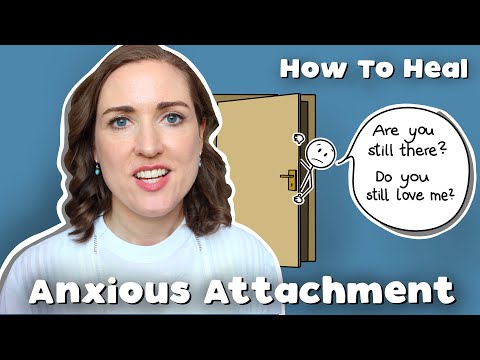
You know that feeling when your heart races just thinking about your partner hanging out with friends? Yeah, that’s anxious attachment for you.
It’s like this constant worry that they’ll ditch you or find someone better. It can mess with your head, right?
I’ve been there. I remember feeling super clingy, checking my phone like a million times to see if I got a text. So exhausting!
But here’s the thing: it doesn’t just impact you; it hits your relationship hard, too. Let’s chat about how anxious attachment plays out and what it does to love lives.
Understanding Anxious Attachment: How It Affects Relationships Discussed on Reddit
Anxious attachment can really shake up your relationships, and you might find it’s a hot topic over on Reddit. If you’re unsure about what this means, let me break it down for you in simple terms.
When someone has anxious attachment, they usually worry a lot about their partner’s feelings and commitment. It’s like being on a rollercoaster—you’re either thrilled or terrified based on how things are going with your significant other. You might constantly seek reassurance or fear abandonment, which can be draining for both you and your partner.
So, how does this anxious attachment style show up in real life? Here are some things to consider:
- Overthinking everything: You might second-guess texts or phone calls. Was that response too short? Do they not care as much? This kind of thinking can lead to unnecessary stress.
- Clinginess: Feeling like you need to be close to your partner all the time is super common. You may want more time together than your partner feels comfortable giving.
- Fear of rejection: Even the slightest sign of distance can trigger intense feelings of insecurity. It’s like every little thing feels magnified.
- Difficulty trusting: You might struggle with trusting your partner fully, leaving you in a constant state of uncertainty.
Now, let me share a quick story to put this into perspective. Imagine you’re dating someone new, and everything seems great at first. But then, when they don’t respond immediately to a text, all those anxious thoughts kick in: “What if they don’t like me anymore?” or “Did I do something wrong?” This can transform what should be an exciting moment into a spiral of worry that affects the relationship overall.
What makes this even trickier is how it can create misunderstandings. Your partner might feel suffocated by the constant need for reassurance while you’re just trying to feel secure and loved. It’s tough! Trust breaks down when neither side understands where the other is coming from.
The key here is recognizing these patterns in yourself—because awareness is half the battle! Working towards developing healthier attachments can make all the difference. You could try talking openly with your partner about these feelings instead of letting them fester inside.
Thinking about therapy? That could be a helpful route too! A therapist can help you explore these patterns and work toward becoming more secure in relationships.
So remember, having an anxious attachment style doesn’t define who you are or what you’re capable of in love. It’s just one part of your emotional landscape that can evolve with some understanding and effort. You got this!
Discover How Anxious Attachment Affects Your Relationships: Take Our Interactive Quiz
Anxious attachment can seriously affect your relationships, often in ways you might not have even realized. When we talk about **anxious attachment**, we’re looking at a style formed in early childhood based on how caregivers responded to your needs. If they were inconsistent—sometimes loving and other times distant—you might grow up feeling unsure about whether others will be there for you.
So, let’s break it down. People with anxious attachment tend to worry about their partner’s feelings towards them. You might find yourself constantly seeking reassurance or getting upset if they don’t respond quickly to texts. It’s like being on a rollercoaster of emotions—thrilling but also kinda nerve-wracking.
Here are some things to consider:
- Fear of Abandonment: You might feel like everyone you care about is going to leave at any moment. This fear can create a lot of tension in relationships.
- Overthinking: You could obsess over little things, wondering if a missed call means something’s wrong or if they’re losing interest.
- Clinginess: Because you’re worried about being abandoned, you may end up wanting to spend all your time with your partner, which can sometimes push them away!
- Jealousy: Seeing your partner talking to someone else can trigger feelings of jealousy and insecurity, even if there’s no reason for it.
Now, let me share a quick story. Imagine Sarah, who always second-guessed her boyfriend Tom’s love for her. Whenever he hung out with friends without her, she’d spiral into worry mode—thinking maybe he liked someone better or was planning to break up with her. It became exhausting for both her and Tom, leading him to feel suffocated.
Understanding this pattern is super important because once you see it, it’s easier to make changes!
If you’re curious about how anxious attachment plays out in your life, taking an interactive quiz could be pretty insightful. These quizzes often help pinpoint specific behaviors tied to anxious attachment styles and how they show up in your relationships.
Realizing that you have an anxious attachment style isn’t the end of the world! It just means that you’ve got some work to do—mostly focusing on building trust both in yourself and with others around you. And hey, maybe reaching out for help from a therapist could be beneficial too!
In summary, recognizing anxious attachment traits can totally change how you approach relationships. You’ll start noticing patterns that keep repeating and learn healthier ways of connecting with others!
Understanding Anxious Attachment: How It Affects Adult Relationships
Sometimes, you might notice a pattern in your relationships that feels like it’s dragging you down. That nagging fear of abandonment or constant worry that your partner doesn’t love you enough? Yeah, that’s often linked to something called anxious attachment. Let’s chat about what that means and how it can mess with your adult relationships.
So, first off, attachment styles are basically the way we connect with others. They start forming when we’re kids based on how our caregivers respond to us. If you had a caregiver who was inconsistent—sometimes super loving and other times kinda distant—you might develop an anxious attachment style. Basically, you learned to be hyper-vigilant about love and affection. You follow me?
Now, being in a relationship with someone who has an anxious attachment can look like this:
- Constant need for reassurance: You may find yourself needing your partner to validate their feelings for you constantly. “Do you still love me?” or “Are we okay?” can become the go-to questions.
- Irrational fears: You might feel a chill down your spine if they don’t text back immediately or if they’re too busy to hang out.
- Over-analyzing situations: Every little thing—like them laughing at a joke in a group chat—could lead to worries. “Are they laughing at me? Do they like someone else better?”
And here’s the twist: while this behavior is often unconscious, it can push partners away instead of pulling them closer. It’s like being on a seesaw; one side is too high because of anxiety, and it just throws everything out of balance.
I remember talking to a friend whose relationship was crumbling because of her anxious attachment style. She’d get upset if her boyfriend didn’t check in during work hours. At first, he was understanding… but after weeks of questioning his feelings, he started feeling drained and frustrated. It eventually led him to pull away completely!
When you’re dealing with this kind of attachment style, it’s all about finding ways to build trust within yourself and in your relationships. Here are some things that might help:
- Self-reflection: Try journaling or just thinking about what triggers those anxious thoughts.
- Open communication: Talk with your partner about your feelings and share where you’re coming from.
- Therapy: Seriously consider chatting with a therapist who can help guide you through these emotions.
Remember that it takes time to understand these behaviors fully and how they’ve colored your view on love and connection. It’s not easy work; acknowledging these patterns isn’t fun! Yet, you’re totally capable of creating healthier dynamics in your relationships.
In short, understanding anxious attachment helps you recognize why you’re feeling the way you do in relationships—and it opens the door for some real healing! Taking those baby steps toward self-awareness can be life-changing for both you and the people around you.
You know, when I think about anxious attachment, it kinda hits home. Like, I remember a time when I was really into this person, but every little thing they did had me spiraling. If they didn’t respond to my texts right away? My mind would race. “Did I say something wrong? Are they mad at me? Maybe they’re not that into me.” Seriously, it was exhausting!
Anxious attachment is that feeling of needing constant reassurance in relationships. It’s like having a perpetual itch that you just can’t scratch. You’re always worried about losing the other person or whether they really care. And let me tell you, when you’re stuck in that cycle, it’s tough to enjoy the relationship for what it is.
So there was this one night—I thought we were having a pretty good time. We laughed and shared stories over dinner, everything felt just right until… they got distracted by their phone for a few minutes. My heart dropped. There I was, imagining all these wild scenarios in my head while he was probably just scrolling through memes or something.
It took some serious self-talk to pull myself back from the edge there. But here’s the thing: anxious attachment can seriously harm your relationship dynamics. Instead of enjoying those little moments together, you’re stuck checking for signs of affection or commitment. It’s kind of like running a marathon with weights on your back! You want to savor every moment but find yourself heavy with worries instead.
You end up projecting your fears onto your partner too. They might be completely content and loving towards you, but you’re always looking for proof. That can make them feel like they’re under constant scrutiny or pressure—like they’re trying to keep up with an unachievable standard.
But realizing this pattern was eye-opening for me; understanding where these feelings came from helped shift my perspective a bit. It isn’t easy; sometimes it’s about learning to trust not only your partner but also yourself and your worth in the relationship.
It’s all about striking that balance between wanting closeness and letting go a little too.You know? Learning how to be secure within myself has been quite the journey—and I’m still working on it—but taking those steps means building healthier connections moving forward, and that’s super important!