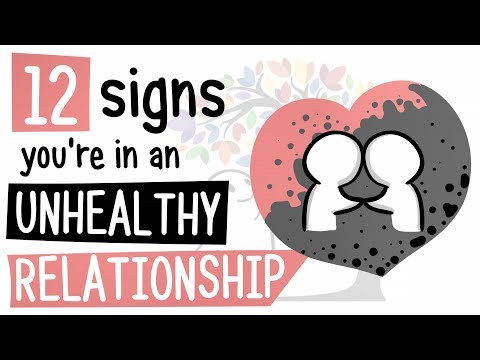
You know, sometimes love just isn’t enough.
Like, you can care about someone a whole lot, but if things are constantly feeling off, it’s tough.
Ever find yourself walking on eggshells? That’s a big red flag.
It’s wild how easy it is to overlook signs of a toxic marriage when you’re deep in it.
But recognizing those signs? Super important for your wellbeing.
So let’s chat about what to look for and how to take care of yourself along the way. You feel me?
The Impact of an Unhappy Marriage on Your Mental and Physical Health
Being in an unhappy marriage can really take a toll on you. It’s not just about feeling sad; it goes way deeper than that. You know how sometimes life feels like it’s dragging you down? That’s what being in a toxic relationship can do. Basically, the effects can spill over into both your mental and physical health.
Mental Health Struggles are often at the forefront when you’re dealing with a tough marriage. For instance, constant fighting or feeling unheard can lead to anxiety or depression. Imagine waking up every day dreading the interaction with your partner—it’s exhausting! Some signs to look out for include:
- Feeling constantly stressed or anxious
- Losing interest in activities you once loved
- Difficulty concentrating
- Changes in sleep patterns, like insomnia or oversleeping
The emotional weight can feel heavy, and it might even feel like you can’t catch your breath, right? It’s just exhausting trying to keep things together while feeling so unappreciated.
Your physical health doesn’t escape unscathed either. Stress from an unhappy relationship often manifests in physical ways. You might notice:
- Headaches or migraines that seem to pop up more often
- Stomach issues such as IBS or loss of appetite
- A weakened immune system making you more susceptible to colds and infections
- Tiredness that no amount of coffee seems to fix
A friend of mine used to have this situation where her marriage felt more like a job than a partnership. She was always tired and had headaches almost every week. After some soul-searching, she realized the stress from her relationship was affecting not just her mood but also how she felt physically.
An unhappy marriage can create toxic patterns. Communication breaks down, and instead of support, you may find criticism and blame becoming the norm. This kind of environment fosters resentment and loneliness rather than connection—like living with a roommate instead of a partner.
If these signs resonate with you, it might be worth taking some time to reflect on your situation. Sometimes seeking help from a therapist can help untangle those feelings, providing clarity on whether it’s time for serious conversations with your partner or even considering whether staying is best for you.
Your happiness matters, seriously! So focusing on what truly nurtures your mental and physical well-being is essential. Just remember: being happy isn’t just about sunshine and rainbows; it’s about having peace within yourself too.
Recognizing the Signs of a Toxic Marriage: Key Indicators to Watch For
Recognizing the signs of a toxic marriage can be tough. It’s like those moments when you realize that the person you trusted is actually, well, not that great for you. You might feel trapped, confused, or even unsure about what’s happening. Remember: your wellbeing should always come first. Here are some key indicators to watch for.
Constant Criticism
If your partner seems to criticize you all the time, even for small things, that’s a big red flag. It’s one thing to give feedback; it’s another to make you feel bad about yourself regularly. If you’re feeling more like a punching bag than a partner, it’s time to take note.
Lack of Communication
Good communication is essential in any relationship. But if conversations turn into arguments or one-word responses become the norm? Well, that’s not healthy. Feeling like you can’t express yourself without it turning into drama isn’t right.
Manipulation and Control
Watch out for controlling behavior. If your partner tries to dictate what you wear, who you hang out with, or even how you spend your free time, it’s a big deal! You deserve autonomy in your life and choices.
Emotional Rollercoaster
Toxic relationships often give off serious emotional whiplash vibes. One minute everything’s fine, and the next you’re walking on eggshells because of something minor. That up-and-down cycle can leave you feeling exhausted and drained.
Lack of Support
When you’re facing challenges or pursuing goals, support from your partner is crucial. If they belittle your dreams or fail to be there when times are tough? That’s not just disappointing; it shows a lack of care for your happiness.
Isolation from Friends and Family
A partner who wants to separate you from loved ones isn’t doing it out of love; they want control over your life. If you find yourself spending less time with friends or family because your partner disapproves—a huge red flag!
Gaslighting
This one’s sneaky but super damaging! Gaslighting happens when someone makes you doubt your own reality or memories. For example, if they twist a conversation into something completely different and insist you’re imagining things—that’s manipulation at its finest.
No Intimacy
In a healthy marriage, emotional and physical intimacy flows naturally between partners. But if intimacy has become nonexistent—or feels forced—it could signal deeper issues in the relationship dynamic.
Recognizing these signs might stir up some intense feelings or fears—and that’s totally okay! It’s all about prioritizing what keeps you happy and healthy in life. Take note if these behaviors resonate with where you’re at in your relationship journey; there’s no shame in looking out for yourself!
Understanding the 3-3-3 Rule: Strengthening Relationships Through Effective Communication
Communication is like the glue that holds a relationship together. When it’s good, everything feels right. But when it’s off, things can get pretty messy. One helpful concept in improving communication is the 3-3-3 Rule. This rule can truly strengthen your relationships and help you recognize when communication isn’t working, especially in challenging situations like a toxic marriage.
So, what’s the 3-3-3 Rule? Basically, it’s about focusing on three parts of effective communication: listen actively, speak honestly, and reflect thoughtfully. Let’s break it down!
- Listen Actively: This means really paying attention to what your partner is saying. It’s not just about hearing their words; it’s about understanding the emotion behind them. Think of a time when someone listened to you without interrupting—that feels amazing, right? In a toxic marriage, you might find that one or both partners often tune out or dismiss each other’s feelings.
- Speak Honestly: Being open and honest can feel scary sometimes—especially if you’re worried about hurting feelings or starting an argument. But honesty builds trust! For example, if you’re feeling neglected because your partner spends too much time on their phone, share that feeling instead of bottling it up. In a toxic relationship, avoiding these tough conversations often leads to resentment.
- Reflect Thoughtfully: After discussing something important, take a moment to think back on the conversation. Did both sides feel heard? What could be done differently next time? This kind of reflection can prevent misunderstandings from piling up and becoming bigger issues later on.
The real beauty of the 3-3-3 Rule is how it encourages connection through understanding and empathy. Imagine sitting across from your partner during a tough talk. By actively listening while they express their feelings—without jumping in with your own thoughts—you show you care. If they do the same for you when it’s your turn, that’s real teamwork.
But let’s circle back to recognizing signs of a toxic marriage. If attempts at using the 3-3-3 Rule seem impossible or consistently result in hurt feelings and misunderstandings, that could be a red flag! Sometimes people get stuck in patterns where one partner might always dominate conversations while others feel ignored or belittled.
So keep an eye out for these signs:
- You rarely feel heard during discussions.
- Your conversations often end in arguments instead of resolutions.
- One person frequently withdraws from tough talks altogether.
If this is happening regularly in your relationship—even after trying effective communication techniques like the 3-3-3 Rule—then it may be worth considering whether things are healthy for both partners.
Ultimately, strengthening relationships means putting effort into how we communicate every day! Even small shifts can make big differences over time. Remember: When both partners actively work together using strategies like this one, it’s possible to create more understanding and connection if everyone’s willing to put in some effort!
You know, it’s really tough when you start to feel that something isn’t quite right in your marriage. Maybe it sneaks up on you slowly, like a fog rolling in on a perfectly sunny day. You might find yourself feeling anxious or walking on eggshells around your partner, and suddenly the home that used to feel warm and inviting feels more like a battlefield.
Take my friend Sarah, for instance. She was always the one cracking jokes and making everyone laugh. But over time, she became quieter, her sparkle dimming bit by bit. It wasn’t until she confided in me that I realized just how deep the issues went. She talked about constant criticism from her husband, feeling belittled over even the smallest things. You could see the weight of it all in her eyes.
Recognizing those signs is crucial for your wellbeing. Are you feeling drained after spending time with your partner? Do their words and actions leave you doubting yourself? That’s a sign! Emotional manipulation can creep into everyday conversations—small comments that cut deep or guilt trips disguised as concern. It’s like they play mind games without even realizing it.
Isolation is another red flag. If your partner discourages you from seeing friends or family, that’s not love; that’s control. Sarah would often back out of plans because she felt guilty leaving her husband alone at home. It’s heartbreaking how easy it is to lose touch with the people who lift you up.
And let’s talk about communication—or lack thereof! Healthy relationships have open channels where both partners feel seen and heard. If you’re stuck in a cycle of shouting matches or worse—silent treatment—it’s definitely time to take a step back and assess what’s happening.
But here’s the kicker: recognizing these toxic patterns is just the first step. Once you see them, it can be scary to admit what’s going on—to confront those feelings head-on and think about what changes need to be made. That might mean seeking help from a therapist or finding support among friends who understand what you’re going through.
Your wellbeing should always come first, no question about it! So trust your gut feelings; they often know more than we do about what’s healthy for us emotionally and mentally. Remember, you deserve to be in a relationship where love uplifts rather than tears down!