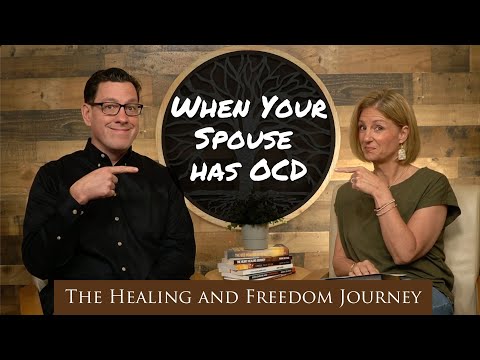
You know, living with someone who has OCD can be a wild ride. Seriously. It’s like being on an emotional rollercoaster, with all the ups and downs that come along for the journey.
One minute, everything feels normal, like you’re just chilling on the couch. The next, you’re navigating a maze of rituals and anxiety that you never signed up for. It can be tough to understand what your partner is going through.
I remember sitting on the floor with my friend Sarah as she explained her boyfriend’s obsessive behaviors. You could see how much it weighed on her—both love and frustration swirling together.
There’s a lot of heart in these relationships, but also some headaches. You might not know how to help or what to say sometimes. But understanding is key, right? So let’s chat about what it’s like living with someone who has OCD, and how you can support them while taking care of yourself too.
Understanding and Supporting Your Partner with Relationship OCD: Effective Strategies for Couples
Supporting a partner with Relationship OCD (ROCD) can be tough, but understanding what it is can really help. Basically, ROCD is a type of obsessive-compulsive disorder where someone has persistent doubts about their feelings for their partner, their partner’s feelings, or the relationship itself. It’s not just about being insecure; it’s like a hamster wheel of anxiety that keeps spinning.
So, first off, let’s talk about **awareness**. You need to recognize the symptoms of ROCD. This might include your partner constantly questioning if they truly love you or if you’re the right fit for them. They might express fears that feel endless and get stuck in analyzing every little interaction or moment between you two.
Communication is key. You want to talk openly about what they’re feeling. Let them know you’re there for them without judgment. There may be times when their worries make no sense to you, but just listening without trying to “fix” it can be super meaningful.
More importantly, keep in mind this isn’t simply a phase they’ll just snap out of. It’s an *actual* mental health issue requiring patience and support. Sometimes, when my friend was with someone who struggled with ROCD, she found herself feeling frustrated at times because her partner would spiral over thoughts that seemed so far-fetched.
Here are some ways to support your partner:
- Encourage therapy: A qualified therapist can really make a difference. Cognitive Behavioral Therapy (CBT) is often effective for OCD.
- Set boundaries: As hard as it might seem, sometimes your partner may seek reassurance over and over again which can actually worsen their anxiety in the long run.
- Avoid engaging in compulsions: If their compulsion involves checking or seeking validation from you constantly, try not to validate those fears each time.
- Educate yourself: Reading up on ROCD helps you understand what they’re going through—knowledge is power!
- Practice patience: This journey isn’t linear; expect ups and downs along the way.
Also remember that self-care isn’t selfish! Supporting someone through this takes quite a bit out of you as well. Ensure you’re taking care of your own mental health too by finding time for activities that help you recharge.
Lastly, creating a **safe space** is essential—one where your partner feels valued and understood amid their struggles with ROCD can really help them open up more freely.
Just know that being there for them means more than you realize!
Understanding Life with a Partner Who Has OCD and Anger: Tips for Support and Communication
Living with a partner who has OCD and struggles with anger can feel like navigating a tricky maze. It’s not always easy, but understanding is key. Let’s break down some ways to support them while also taking care of yourself.
First off, let’s talk about what OCD really means. Obsessive-Compulsive Disorder involves unwanted thoughts (obsessions) that lead to repetitive behaviors (compulsions). For example, your partner might constantly worry about germs, leading them to wash their hands obsessively. It’s frustrating for them, and it often spills over into daily life.
When anger comes into play, it can be even more complicated. Anger may arise from feeling overwhelmed or misunderstood. Imagine they’re trying to manage their compulsions but then feel judged or criticized. That can spark a defensive response. So, here are some ways you can help:
- Educate yourself. Learn about OCD and anger together. Understanding the condition can reduce frustration.
- Practice patience. Sometimes they need reassurance or time to work through their feelings. If they’re stuck in a compulsion, give them space but let them know you’re there for them.
- Communicate openly. Use “I” statements instead of “you” statements when discussing issues. Like saying “I feel worried when you seem upset,” helps avoid sounding accusatory.
- Create a calm environment. A peaceful space at home can help ease anxiety levels for both of you. Consider removing triggers that could increase stress.
- Set boundaries. It’s important to know where to draw the line between support and enabling behaviors that could harm your relationship over time.
Now picture this: maybe one evening, your partner gets angry because they couldn’t complete their usual rituals before dinner. Honestly, it’s tough to watch someone you love struggle like that—it pulls at your heartstrings! Instead of getting defensive or frustrated yourself, try asking open-ended questions like, “How are you feeling right now? Is there anything I can do?” Giving them the chance to express themselves might just ease the tension.
It’s also important for you not to bottle up your own feelings. Being in a relationship with someone who has mental health challenges takes its toll too! Talk about how you’re feeling—whether it’s sadness because you’re worried or frustration because you’re feeling lost.
And don’t forget the power of seeking professional help if needed—couples therapy could be super beneficial for both of you! A therapist can provide tools tailored just for your unique situation.
In summary, living with a partner who has OCD and experiences anger isn’t straightforward; it takes dedication and compassion on both sides. Ultimately, showing empathy while keeping communication lines wide open makes a massive difference in nurturing your relationship through those ups and downs together!
Navigating Divorce: Living with a Husband Who Has OCD
Navigating divorce can be tough, especially when your partner is dealing with something like OCD. Living with someone who has obsessive-compulsive disorder is no walk in the park. The rituals and compulsions can take a toll on both partners. So, let’s unpack it a bit.
First off, **understanding OCD is key**. This condition involves unwanted thoughts—obsessions—that cause anxiety, leading to repetitive behaviors or compulsions that the person feels driven to perform. It’s not just a quirk; it’s a real mental health issue that can seriously impact daily life.
Living with someone with OCD often means you might feel like you’re walking on eggshells. For example, if your husband gets anxious about germs, you might find yourself constantly washing your hands or avoiding certain places just to keep the peace. It’s exhausting! You’re adapting your life around his anxiety.
Communication is super important here. Honest conversations about how his OCD affects you can help both of you understand each other better. You might say something like, «Hey, I notice we always have to rearrange things before we leave the house. It stresses me out too.» Being open can help foster some empathy on both sides.
It’s also essential to set boundaries for yourself. You don’t want to lose your sense of self in this process. If you feel overwhelmed by his needs at times, it’s okay to express that! For instance, “I love you and want to support you, but I need some time for myself where we don’t focus on your routines.”
Don’t forget about self-care! Seriously, make sure you’re taking care of your own mental health through all this chaos. Whether it’s hitting the gym or catching up with friends over coffee, do what makes you happy and keeps you grounded.
You may also want to **seek professional help** together or separately if possible. Therapy can be beneficial for both partners—it helps him manage his symptoms and gives you space to talk about how living with OCD impacts your life.
In situations where divorce is on the table—like when you’ve tried everything but still feel burdened—it could be worth discussing it openly with a therapist or counselor who understands OCD dynamics in relationships.
You’re not alone in this journey; many people face similar battles when living with a partner who has OCD. It’s tough but knowing there are resources out there can make things easier as you navigate these challenging waters together or apart.
So remember:
- Understand the nature of OCD and how it affects daily life.
- Communicate openly about feelings and frustrations.
- Set personal boundaries without guilt.
- Pursue self-care regularly.
- Consider therapy for individual and couples support.
The rollercoaster of emotions surrounding divorce isn’t easy for anyone involved but knowing how to handle these specific challenges could make a significant difference in finding peace in your next steps.
Living with a partner who has Obsessive-Compulsive Disorder (OCD) can feel like you’re on a roller coaster ride, where the ups and downs are sometimes dizzying. You might love them dearly, but there are days when you just scratch your head, wondering how to navigate their struggles alongside your own.
Picture this: your partner locks the front door three times before they can leave. It’s kind of a routine for them. At first, you might think it’s quirky—just a little habit that keeps things interesting. But soon enough, it becomes clear that it’s not just a fun quirk; it’s part of their daily battle against anxiety. They’re not doing it to annoy you or to be tedious; they genuinely believe something bad will happen if they don’t do it.
You want to be supportive, right? And you do your best to understand, but sometimes it feels like you’re walking on eggshells. Like when they have to organize every item in the house just so—not because they’re picky about cleanliness, but because those little rituals provide a sense of control in their chaotic mind. You might find yourself getting frustrated or feeling helpless when you’re trying so hard to help.
I remember one time I was visiting friends with my partner. As we stepped into their home, my partner immediately started counting how many steps we took toward the couch—one of those OCD quirks that had crept into our lives together. Their anxiety was palpable; I could almost feel the tension radiating from them as others looked on with confusion. It broke my heart seeing them struggle while I felt like an outsider in what should’ve been an enjoyable moment.
But here’s the thing: relationships are about growth and understanding each other’s battles. You learn how to communicate better and take small steps toward patience and empathy. It’s all about balancing your needs with theirs—a two-way street where both parties put in some effort.
Educating yourself on OCD is also huge! The more you know about what’s happening in their brain—the compulsions and obsessions—the better equipped you’ll be to understand what motivates their behaviors. This knowledge can make a world of difference in how you respond during challenging times.
So living with someone who has OCD isn’t just about managing their symptoms; it’s also about digging deeper into love and compassion for one another—even during those frustrating moments when everything feels overwhelming. By navigating this journey together, you’re not only supporting them but growing closer as a couple through shared experiences.
It won’t always be easy—I won’t sugarcoat that—but recognizing there’s strength in vulnerability makes this ride worthwhile. You’re both learning—about each other and yourselves—and that connection is what really matters at the end of the day.