You know those days when you just feel like you don’t quite fit in? Yeah, I’ve been there.
It’s like trying to solve a puzzle with all the wrong pieces. So frustrating, right?
Well, after diving into some personality insights, I realized there’s way more to it than just being quirky or different.
There’s this whole psychological landscape that really shapes who we are and how we interact with the world. Pretty cool, huh?
So, grab a snack and let’s unpack this together. Seriously, it could get interesting!
Exploring the 7 Types of Personality in Psychology: A Comprehensive Guide
So, personality types, huh? They can be pretty intriguing. You know, the idea that different people have these distinct ways of thinking, acting, and feeling can help us understand ourselves and others a whole lot better. There are various models to capture these personality types, but let’s break down one popular approach: the **Big Five** personality traits. This is like a classic framework in psychology.
1. Openness to Experience
This trait revolves around curiosity and a willingness to try new things. People high in openness might love exploring new ideas, art forms, or cultures. They’re usually imaginative and adventurous. Think of someone who dives into every new recipe out there or tries every weird food on vacation—yeah, that’s openness in action!
2. Conscientiousness
Now this one’s all about being organized and dependable. If you’re conscientious, you probably plan ahead and pay attention to detail. Imagine your friend who always has their calendar filled out weeks in advance—always on top of things! On the flip side, someone low in this trait might be more spontaneous or carefree.
3. Extraversion
Extraversion is about how you get your energy—social situations or solitude? Extraverts thrive at parties and love hanging out with friends; they’re the life of the party! On the other hand, introverts recharge by spending time alone or with just a couple of close friends.
4. Agreeableness
This trait measures how compassionate and cooperative you are. High agreeableness means you’re empathetic and like to help others—a real team player! Picture someone who goes out of their way to lend a hand when a friend is down; that’s agreeableness shining through.
5. Neuroticism
This one’s about emotional stability versus emotional volatility. People high on neuroticism might experience more anxiety or mood swings—think about those moments when life feels overwhelming! Meanwhile, if you’re low on neuroticism, you tend to stay calm under pressure.
Now we can look at some less common frameworks that dive a bit deeper into human behavior.
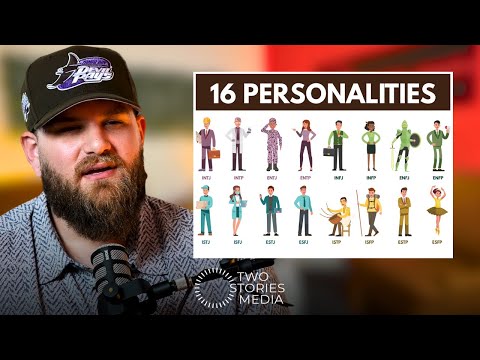
The Myers-Briggs Type Indicator (MBTI): This is super popular too! It slices personalities into 16 types based on four dichotomies: Introversion vs. Extraversion; Sensing vs. Intuition; Thinking vs. Feeling; Judging vs. Perceiving.
- Sensing: Focused on concrete information.
- Prefers patterns and possibilities.
- Makes decisions based on logic.
- Values emotions and personal experiences.
Another model worth mentioning is **Enneagram**, which identifies nine personality types based on motivations and fears:
- The Reformer: Perfectionistic and principled.
- The Helper: Caring but sometimes needy.
- The Achiever: Success-oriented but can be image-conscious.
- The Individualist: Sensitive yet self-absorbed.
- The Investigator: Intense but may be withdrawn.
- The Loyalist: Committed yet fearful.
- The Enthusiast:
- The Challenger:: Assertive yet confrontational..
The Peacemaker:: Easy-going but avoids conflict. - The Challenger:: Assertive yet confrontational..
You see how each type has its strengths? Understanding your type—or the type of someone close to you—can lead to better relationships and self-awareness!
In short, diving into personality psychology gives us tools for navigating this wild ride called life together! It’s all about finding those connections between our quirks and behaviors so we can communicate better—and maybe even learn something new along the way!
Unlock Self-Discovery: Analyzing Your Thoughts and Emotions with ChatGPT
Sometimes, you might find yourself sitting in a coffee shop, just staring blankly at your drink. Ever feel like that? You’re not alone. That’s a moment of self-reflection, and it’s super common. It’s in these quiet times when we start to analyze what’s actually going on inside our heads and hearts.
Understanding your thoughts and emotions can feel overwhelming. But self-discovery is like peeling an onion; you gotta take it layer by layer. Using tools like ChatGPT can help guide this process, offering prompts and insights that spark deeper thinking about yourself.
When you interact with something like ChatGPT, you have a chance to reflect on various aspects of your personality. You might explore how certain situations get under your skin or how you react in those moments. It’s kind of like chatting with a friend who doesn’t judge or interrupt you, right?
So let’s break down some key points that come up when you’re analyzing your thoughts and emotions:
- Identify Patterns: Think about recurring themes in your life—do you often feel anxious in social settings? Or maybe you notice joy when connecting with nature?
- Practice Mindfulness: Take a moment to sit quietly and check in with yourself. What are the main feelings bubbling up? Sometimes just naming them can take away their power.
- Journaling: Writing out your experiences helps clarify confusion. You could ask yourself questions like: What makes me happy? What drains my energy?
- Seek Feedback: Talk to trusted friends about how they view you. Their insights can shine a light on blind spots you’ve never considered.
- Cognitive Dissonance: This occurs when what you believe doesn’t match what you’re feeling or doing. It might lead to frustration but also growth.
Let’s say you’re feeling stressed about work, yet at the same time, you cherish the friendships you’ve built there—this dissonance invites deeper exploration: Why do these conflicting feelings exist?
Imagine having a friendly chat where you’re free to spill all your thoughts without any worry of judgment—that’s what analyzing with ChatGPT feels like! In those moments, explore both sides of your thoughts. If you’re worried about something specific, dig into why that is.
A real-life example could be someone realizing they consistently avoid confrontation at work because they fear rejection or conflict. With something like ChatGPT prompting questions about past experiences and feelings tied to similar situations, it becomes easier to uncover roots for those emotions.
So take it easy on yourself as you explore who you are through this lens of thought and emotion analysis! The journey is sometimes messy; it’s okay if you don’t have all the answers right away. What matters is opening up that dialogue within yourself—a crucial step toward self-discovery.
In the end, this whole process isn’t just about finding out who we are; it’s also about understanding why we feel the way we do in different circumstances.. And seriously, knowing this stuff about ourselves? It’s pretty powerful!
Understanding Sheldon’s Theory of Personality: A Comprehensive Guide
So, let’s chat about Sheldon’s Theory of Personality. You might have heard of it or seen it pop up in psychology discussions. Basically, this theory is all about how our bodies and personalities are linked. Yeah, sounds a little out there at first glance, right?
William Sheldon, a psychologist in the mid-20th century, came up with this idea. He believed that our physical bodies reflect our personality types. He categorized people into three main body types or “somatotypes”: ectomorphs, mesomorphs, and endormorphs.
Let’s break those down a bit:
Now, the thing is, while Sheldon had some interesting ideas, his theory has faced its share of criticism over the years. Many believe that linking body shape to personality traits is too simplistic. It doesn’t take into account things like experiences, environment, or culture.
Imagine you’re at a party with two friends: one’s an ectomorph who prefers to hang back on the couch and another is a mesomorph who’s dancing on tables! That immediately shows how different personalities can shine through regardless of their body type.
And here’s where it gets tricky: Sheldon’s assumption was that your physical makeup completely determined your character qualities. But this isn’t really how most psychologists think today. There are tons of factors influencing personality—genetics, upbringing, stress levels—you name it.
So if you’ve ever found yourself wondering why you connect more with some people than others or why certain situations bring out different sides of you? Well, it’s not just about body type anymore! Consciousness is layered; it goes deeper than just what we see on the surface.
In short, Sheldon did spark an interesting conversation around personality and physicality but remember there’s way more to each individual than just their somatotype. So next time you’re trying to unpack your own personality or someone else’s? Look beyond the surface; dig deeper into emotions and experiences too—those pieces matter just as much!
So, I’ve been thinking about personality types lately. You know, how we all have these little quirks that shape how we interact with the world? I mean, it’s fascinating stuff! For a while, I didn’t really think much about it. I was just me, living my life with all its ups and downs. But then, someone mentioned the Myers-Briggs Type Indicator. You’ve probably heard of that, right?
Anyway, I took the test out of curiosity. And wow! It was like peeling back layers of an onion or something. The results said I’m an INFP—Introverted, Intuitive, Feeling, and Perceiving. At first glance, it felt spot on; deep down, I always knew I was a dreamer with my head in the clouds more than my feet on the ground.
But here comes the kicker: reading that description made me reflect on some moments in my life. Like when I skipped parties because I just couldn’t handle the noise and crowds—but then spent hours daydreaming about a perfect world where everyone gets along. Seriously! So relatable.
There’s this one time I was at this big family gathering—lots of music and laughter going around—and all I could do was sit in a corner with my book. My cousins teased me for being “anti-social,” but really? It wasn’t like that! It’s just how my brain operates; being around so many people at once is exhausting for me.
Plus, as an INFP, empathy is pretty much my superpower—or curse sometimes? It’s like when you’re walking through life feeling everyone else’s emotions as if they were your own. Sometimes this makes it hard to make decisions since I’m constantly trying to weigh how they’d impact others too.
So yeah! Unpacking all this through a psychological lens has been enlightening but also kind of messy too. It’s not all rainbows and cupcakes. There are times when being true to myself leads to feeling out of place or misunderstood by others who don’t get why socializing leaves me drained instead of energized.
What’s comforting is realizing there are plenty of folks out there who feel similar—a whole community even! Personality types can be more than labels; they can help you make sense of yourself and your relationships with others. It’s wild how diving into psychology brings clarity while also raising new questions about who we are at our core.
Anyway—you ever thought about your personality type? It might just open up some windows you didn’t even know existed!