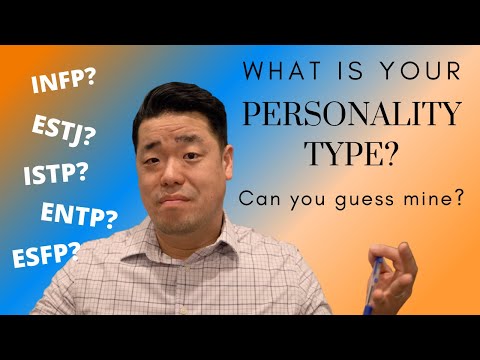
You know how sometimes you just click with someone? Like you totally get their vibe, and it makes everything easier? Well, that’s kinda what the Myers-Briggs Type Indicator (MBTI) does.
It’s this cool tool that helps you figure out your personality type. And get this: it can actually shed some light on your mental health too!
I mean, understanding yourself better? That’s a game changer. It’s like having a little handbook for your brain.
Ever felt stuck in a loop of overthinking or feeling misunderstood? Yeah, me too. Let’s unpack how knowing your type can bring some serious clarity to those feelings.
Understanding the Primary Purpose of the Myers-Briggs Type Indicator: A Guide to Personality Insights
The Myers-Briggs Type Indicator, or MBTI for short, is a tool that folks often use to get a better grip on their personality. It’s based on Carl Jung’s theories about psychological types. Basically, the test categorizes you into one of 16 different personality types. Each type is made up of four pairs of opposing traits:
- Extraversion (E) vs Introversion (I)
- Sensing (S) vs Intuition (N)
- Thinking (T) vs Feeling (F)
- Judging (J) vs Perceiving (P)
So, what’s the primary purpose? It’s all about understanding yourself and others better. You know how some mornings you just feel like chatting with everyone at work while others you’d rather dive into a book? That’s where the E and I distinction comes in.
By figuring out your type, you can see patterns in how you communicate, make decisions, and approach life in general. This doesn’t just stop at self-awareness; it can really help in relationships too. For instance, say someone with an INTJ personality type might approach problems methodically and with logic. In contrast, an ESFP might rely more on feelings and immediate experiences. Can see how that could lead to miscommunications if they’re not aware of each other’s styles!
Another big piece is teamwork. When team members know each other’s MBTI types, they can appreciate differing approaches to problem-solving and collaboration. For example, an ENFJ and a ISTP working together could create some dynamic solutions by combining their strengths.
Now let’s talk about mental health insights – this is where things get interesting! The MBTI can provide clues to how your personality traits might relate to your mental well-being. If you’re feeling overwhelmed or anxious as an introvert in a packed social setting, understanding your personality type might help you plan for downtime afterwards.
And look, it’s not just about identifying weaknesses; it also highlights strengths! If you’re an INFP with a strong sense of empathy, you might discover you’re great at connecting with others emotionally which can be super beneficial in therapy settings.
However, the MBTI isn’t without its critics. Some argue that it oversimplifies complex human behaviors or that it shouldn’t be used for serious psychological assessments or diagnoses. You gotta take it with a grain of salt—it’s one tool among many in the world of psychology.
So basically, while it’s not perfect and certainly not the end-all-be-all of gauging someone’s psyche or mental health state, the Myers-Briggs Type Indicator gives valuable insights into personal traits and interactions that can facilitate growth both personally and emotionally!
Understanding the Role of Myers-Briggs in Modern Psychology: Insights and Applications
The Myers-Briggs Type Indicator, or MBTI for short, is one of those tools that pop up a lot in discussions about personality and even mental health. You’ve probably heard about it—it’s like a personality quiz that sorts you into one of 16 types based on how you perceive the world and make decisions. But, what’s really going on with it? Let’s break it down.
First off, the MBTI is based on Carl Jung’s theory of psychological types. It’s all about understanding different preferences in how people think and interact. The test categorizes individuals along four dichotomies:
- Extraversion (E) vs. Introversion (I): This describes where you get your energy from—being around lots of people or recharging alone.
- Sensing (S) vs. Intuition (N): This reflects whether you focus more on concrete information or big-picture ideas.
- Thinking (T) vs. Feeling (F): Here, it’s about whether you make decisions based on logic or emotions.
- Judging (J) vs. Perceiving (P): This deals with your approach to the outside world—structured and decided versus flexible and open-ended.
Now, when you combine these preferences, you get your type—like INFP or ESTJ—and each type has its own unique traits.
In terms of mental health insights, the MBTI can be helpful! It offers a way for people to better understand themselves and their interactions with others. For example, an introverted person might realize they need more downtime after social events to feel balanced. Or maybe someone who leans toward feeling can see why conflict makes them uncomfortable, leading them to seek harmony instead of debating issues directly.
But here’s the thing: while the MBTI provides valuable insights, it’s not a diagnostic tool. It won’t tell someone if they’re struggling with anxiety or depression—it’s just not designed for that! Still, what happens is that understanding your type can help in therapy settings by fostering discussions about personal strengths and areas for growth.
Another interesting application is in relationships and team dynamics. Say you’re working on a group project—knowing each member’s MBTI type can guide how best to communicate or assign roles based on strengths! Like having an INTP brainstorming new ideas while an ESFJ takes charge of team morale.
But remember: even though many people find value in their results, critics argue that the MBTI oversimplifies human behavior by putting folks into boxes. It doesn’t take into account how complex we are as individuals! That’s where other assessments might come into play.
So yeah, if you’re curious about understanding yourself or others better, trying out an MBTI assessment could be fun and insightful! Just keep in mind its limitations as well—people aren’t just their types; they’re so much more than that!
Exploring the Mental Functions of MBTI: Unlocking Personality Insights for Personal Growth
The Myers-Briggs Type Indicator, or MBTI, is kinda like a personality quiz that helps you figure out what makes you tick. It’s based on Jungian psychology and organizes people into 16 different personality types. Each type is determined by four key dimensions:
- Introversion (I) vs. Extraversion (E): This dimension looks at where you get your energy from. If you’re an introvert, you recharge by being alone, while extraverts thrive in social situations.
- Sensing (S) vs. Intuition (N): This is about how you gather information. Sensors focus on the present and concrete facts, whereas intuitives look at the big picture and future possibilities.
- Thinking (T) vs. Feeling (F): This dimension examines how you make decisions. Thinkers rely on logic and objectivity; feelers prioritize emotions and personal values.
- Judging (J) vs. Perceiving (P): This one’s about your approach to the outside world. Judgers prefer structure and plans, while perceivers are more adaptable and spontaneous.
So if you take this test, you’ll end up with a four-letter code that represents your personality type, like INFP or ESTJ.
Now, here’s where it gets interesting for mental health! Understanding your MBTI type can give you some cool insights into your emotional responses and behaviors. For example, if you’re an INFP, you might be more sensitive to criticism because feelers often process emotions deeply. On the other hand, an ESTJ might approach challenges with a “let’s fix this logically” mindset.
These insights can be pretty empowering for personal growth. You might notice patterns in how you handle stress that could lead to better coping strategies or ways to improve relationships with others who have a different style.
Let’s talk about some real-life scenarios here—imagine Jane, a classic INFJ who often feels overwhelmed by her emotions during group projects at work. By understanding her personality type through MBTI, she realizes she may need quiet time to recharge when things get too hectic. She can then communicate better with her team about her needs.
But hey! It’s not just about self-awareness; it also fosters empathy towards others as well. If Mark is an ENTP who loves brainstorming but never seems to follow through on ideas, recognizing his strengths can help him find partners who are more organized—kinda like puzzle pieces fitting together.
It’s important to remember that while MBTI offers valuable insights into personality dynamics, it isn’t the ultimate answer for comprehensive mental health evaluation or treatment options like therapy or medication could offer.
In short, utilizing MBTI in understanding yourself can pave the way for greater self-acceptance and interpersonal harmony—both vital aspects of good mental health management! By knowing how your brain works in relation to these dimensions, you’re setting yourself up not only for personal growth but for healthier connections with those around you too!
You know how sometimes you just click with a person? You can talk for hours, or you might find that you think alike on certain things. That’s kind of what the Myers-Briggs Type Indicator (MBTI) is all about. It’s this tool that helps people understand their personalities and how they interact with the world.
So, here’s the deal: the MBTI sorts you into one of 16 personality types based on four dichotomies—like whether you’re more introverted or extroverted, thinking or feeling, judging or perceiving, and sensing or intuiting. Each type has its quirks and tendencies. I’ve seen it work wonders for people when they start to realize that their way of viewing the world is totally valid and that there are others who share similar experiences.
Just to give you an example, I remember a friend of mine who took the test one afternoon. She was feeling really lost in her job because she thought she had to behave a certain way to fit in. Turns out, she was an INFP—an idealistic type who values authenticity over conformity. Once she understood her type, it clicked for her! It wasn’t about changing who she was; it was about embracing those values and seeking environments that match up with them.
But while it’s a neat tool for self-discovery, it’s not everything. Some people can get too caught up in their types and start using them as excuses for behavior—like saying «Oh, I’m not good at making decisions because I’m a Perceiver.» That’s where we have to be careful, right? Personality tests can shed light on our tendencies but shouldn’t box us in.
In terms of mental health insight, understanding your MBTI type can be pretty eye-opening. It helps you grasp why you react to stress in certain ways or why communication can feel tough sometimes. For instance, an extrovert might need social interaction to recharge after a stressful day while an introvert might need time alone to process things.
So yeah, if you’re exploring your mental health journey or just trying to figure yourself out better, giving the Myers-Briggs a shot could really help. But remember—it’s just one piece of the puzzle! Embrace your uniqueness but also keep growing beyond those labels. Life’s too rich to stick solely with one identity; there’s so much more beyond those four letters!