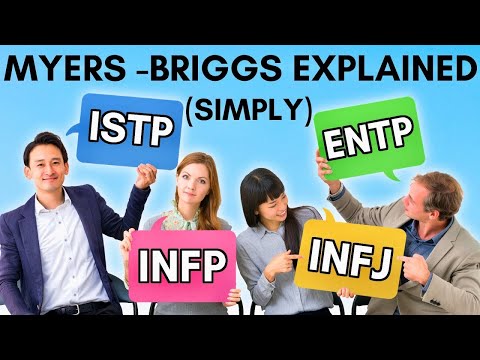
So, you ever feel like you’re just trying to figure yourself out? Yeah, me too. We all have those moments, right?
What if I told you there’s a fun way to get to know yourself a little better? The Myers-Briggs Test has been around for ages, and it’s seriously one of the coolest tools to help you understand your own personality type.
Think of it as a little adventure into your mind. You answer some questions, and bam! You get insights into how you think, feel, and interact with the world. It’s like pulling back the curtain on your own brain!
Curious yet? I promise it’ll be worth your time. So let’s dive in and see what makes you tick!
Unlock Your Personality Insights: Take the Free Online Myers-Briggs Test Today!
The Myers-Briggs Type Indicator, or MBTI, is a way to figure out your personality type based on how you see the world and make decisions. You know? It’s kind of like holding up a mirror that reflects your preferences and tendencies. This test is super popular and can give you some really cool insights into who you are.
When you take the Myers-Briggs test, it usually asks a series of questions about how you feel in certain situations. You might be asked if you prefer to spend time alone or with others, or whether you focus more on facts or possibilities. Based on your answers, the MBTI categorizes you into one of 16 personality types. Each type is a combination of four letters, like ENFP or ISTJ.
The four letter pairs in the MBTI are:
- Extraversion (E) vs. Introversion (I): How do you recharge? Do you gain energy from socializing or from being alone?
- Sensing (S) vs. Intuition (N): Do you prefer concrete information and details, or do you look at the big picture and possibilities?
- Thinking (T) vs. Feeling (F): Do you make decisions based more on logic and objective criteria, or do emotions and values weigh heavier for you?
- Judging (J) vs. Perceiving (P): Do you like having things planned out ahead of time, or are you more spontaneous and adaptable?
Say you’re an ENFJ—this means you’re likely someone who’s outgoing, intuitive about others’ feelings, and really values connections with people. It’s like being the friend who always remembers birthdays and sends thoughtful messages just because.
Taking this test isn’t just fun; it can be seriously enlightening! Some people find out they’re not quite as introverted as they thought after taking the test—and that can open up their worlds in all sorts of ways! It’s like putting together pieces of a puzzle that makes up your personality.
But let’s chat about what this all means in real life. Maybe you’ve noticed that at work, you’re the one who loves brainstorming big ideas while others prefer sticking to what’s practical. Understanding whether you’re more intuitive might help explain why meetings sometimes feel draining for you.
However, keep in mind that while the Myers-Briggs test can give great insights into your preferences, it’s not a definitive label for who you are. People change over time; experiences shape us too! So use these insights as a jumping-off point for self-reflection rather than putting yourself in a box.
So if you’ve got some time to spare, consider taking that free online Myers-Briggs test! It’s an easy way to gather some fun insights about yourself—and who knows? You might learn something new about what makes YOU tick!
Discover Your Personality Type: Take the Free Myers-Briggs Online Test Today
So, let’s talk about the Myers-Briggs Type Indicator (MBTI). This is a pretty well-known tool for figuring out your personality type. Seriously, it can be quite an eye-opener! You might be like, «What on Earth is a personality type?» Well, think of it as a way to understand what makes you tick, your preferences in how you interact with the world around you.
The MBTI is based on the idea that people have different ways of perceiving things and making decisions. It sorts us into **16 distinct personality types**. Each type is made up of four letters that represent different traits. For example, if you’re an **INFP**, that means you’re an Introverted, Intuitive, Feeling, and Perceiving person. Cool, right?
So here’s how it breaks down:
- Introversion (I) vs. Extraversion (E): This dimension reflects how you get your energy. Do you recharge by yourself or around others? You know those people who thrive in big crowds? Yep, they’re likely extraverts.
- Sensing (S) vs. Intuition (N): This one describes how you process information. Sensing folks focus on facts and details; intuitive types tend to look at the bigger picture and possibilities.
- Thinking (T) vs. Feeling (F): This trait indicates how you make decisions. Thinkers rely on logic and objective criteria; feelers prioritize personal values and emotions.
- Judging (J) vs. Perceiving (P): Finally, this aspect shows your approach to structure and life. Judging types prefer plans and schedules while perceiving types like to keep things open-ended.
Now, taking the test online doesn’t have to be stressful! It’s usually just a bunch of questions about how you feel in various situations—like whether you’d rather spend a Friday night with friends or curled up with a book at home.
I remember when I took it for the first time; I was amazed by how accurate my results felt! Seeing my type reflected back at me made me realize why I often prefer quiet nights over parties—and it all clicked!
Sometimes people worry that these categories can oversimplify who we are but think of them more as guidelines than strict definitions. You can still find ways to express yourself outside of those boxes!
Also important: understanding your personality type can help improve your relationships or even guide career choices—it just gives a bit more insight into *why* you do things the way you do.
So if you’re curious—and seriously considering checking yours out—there are plenty of free versions online! Just search for «free Myers-Briggs test,» take a deep breath and go for it.
In the end, knowing about your personality type can offer not just self-awareness but also help build empathy toward others who might operate differently than you do. And hey, isn’t that what makes life interesting?
Unlocking Self-Discovery: A Comprehensive Guide to the Myers-Briggs Personality Test
The Myers-Briggs Personality Test is one of those things that people either love or kind of roll their eyes at. Seriously, you either think it’s a fun way to figure yourself out or you see it as just another personality quiz online. But the thing is, there’s some real depth to it if you dig a little deeper.
So, what’s the deal with this test? Basically, it helps you understand your personality by categorizing you into one of 16 types. It’s based on four main pairs of preferences:
- Introversion (I) vs. Extraversion (E): Do you recharge by spending time alone, or do people give you energy?
- Sensing (S) vs. Intuition (N): Are you more focused on concrete information and facts, or do you love the big picture and abstract ideas?
- Thinking (T) vs. Feeling (F): Do you make decisions based on logic and analysis, or do personal values and emotions come first?
- Judging (J) vs. Perceiving (P): Do you prefer structure and plans, or are you more about being flexible and open-ended?
Once you’ve answered a bunch of questions—no worries, they’re usually pretty simple—you’ll be typed into one of those combinations like INTJ or ESFP. These codes don’t just look cool; they can help reveal how you interact with the world.
It was kinda like this for my friend Sarah. She took the test on a whim and learned she’s an ENFP—super outgoing and creative. At first, she thought it was just for kicks until she realized it helped explain why she always thrives in group settings but feels drained after big social events. That lightbulb moment? So valuable!
When you’re exploring your type, remember it’s not about boxing yourself in; think of it as a starting point for self-discovery rather than a limit. Each type has its strengths and weaknesses; no type is better than another!
Plus, using your type as a lens can boost your understanding in areas like relationships and work dynamics. You might find that knowing how others tick makes communication way easier.
In short, the Myers-Briggs Personality Test offers insights that encourage growth. Whether you’re using it to improve your relationships or just curious about yourself, diving into this world can be quite enlightening!
You know, figuring out your personality type can feel like unearthing a treasure map to your own self-understanding. I mean, some folks might think personality tests are just a fun way to kill time, but the Myers-Briggs Type Indicator (MBTI) can actually give you some pretty cool insights into who you are.
I remember when I took the test for the first time. It was like staring into a mirror that showed not just my face but my quirks and preferences too. I found out I’m an INFP—basically, one of those people who live in their head a bit too much. But hey, it made sense why I often daydream about being a writer or how I cringe at small talk! Knowing my type helped me understand why I sometimes struggle in social situations or why I’m drawn to creative pursuits.
So, what’s up with this test? It breaks your personality down into four dichotomies: Introversion vs. Extraversion, Sensing vs. Intuition, Thinking vs. Feeling, and Judging vs. Perceiving. You get 16 different combinations of these traits that range from extroverted go-getters to introverted dreamers like me.
When you take it online—most of these tests are free now—you answer a bunch of questions about how you react to different situations. What’s really interesting is that it doesn’t box you in; it just gives you a framework to understand yourself better and perhaps how you interact with others.
You might find yourself nodding along as you’re reading about your type’s strengths and weaknesses—like finding out why you’re the go-to person for advice or maybe even why you avoid confrontation at all costs. And honestly? That kind of knowledge is powerful.
And while it’s not some magical solution for every problem in life or relationship (that’d be too easy), understanding your personality can change how you approach challenges or relationships with friends and family. So maybe give it a shot if you’ve never tried it! Who knows? You might uncover something new about yourself that sparks a whole new path of self-discovery!