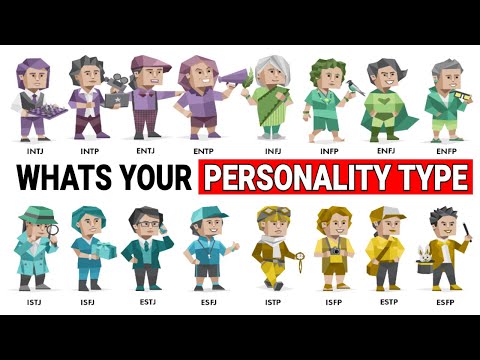
Hey, you! Ever wondered why you click so well with some people and totally clash with others? It’s not just bad luck or vibes. It could be your personality traits, you know?
The Myers-Briggs Type Indicator (MBTI) is like this cool tool that shows different personality types. And trust me, it’s not just for fun at parties. These traits can seriously affect your wellbeing and how you relate to the world.
Like, imagine being an introvert trying to fit into a loud, bustling environment. Oof, right? Or a super organized person dealing with spontaneous chaos. That’s a recipe for stress.
Let’s dive into how these personality traits can shape your mental health and happiness. You’re gonna want to stick around for this!
Unlocking Happiness: The Key Personality Trait Linked to Well-Being
It’s interesting how our personalities can shape our happiness, isn’t it? One of the big players in this game is the Myers-Briggs Type Indicator (MBTI). This tool categorizes people into different personality types based on their preferences in four areas: where you get your energy from, how you process information, how you make decisions, and how you like to live your life.
Now, when we talk about happiness and well-being, one trait stands out: openness to experience. This trait reflects how open someone is to new ideas, experiences, and adventures. If you’re high on openness, you’re likely to be more curious and willing to try new things. That curiosity can lead you to discover what truly makes you happy.
People who score high on this trait often have a zest for life. They’re typically more willing to take risks or dive into new hobbies. Like that friend who decided to backpack through Europe without a set plan? You know—the one who came back with awesome stories and a fresh outlook on life? That’s openness at work.
But it’s not all about adventure. Openness also helps in the emotional realm. When you’re open-minded, your ability to accept and process different emotions improves. Sometimes it’s hard to sit with uncomfortable feelings or let go of old grudges. Being open can help you see things from a different perspective, allowing for personal growth and ultimately leading to greater happiness.
On the flip side, people with lower openness might stick closer to routines and familiar activities. This can feel safe but may limit experiences that could enhance joy or satisfaction in life. Remember that time when someone hesitated before trying sushi for the first time? They could’ve missed out on something delightful!
Key Points About Openness and Happiness
- Willingness to Try New Things: High openness often leads to exploring new hobbies or traveling.
- Emotional Flexibility: Open-minded folks can better handle their emotions and adapt.
- A Broader Perspective: It promotes acceptance of different viewpoints which helps improve relationships.
- Coping Skills: Those high in this trait tend to develop better coping strategies during tough times.
The link between personality traits like openness and well-being is pretty significant. It shows that being willing to embrace change—whether it’s meeting new people or facing fears—can pave the way for happiness.
In everyday life, think about your circle of friends or colleagues. You might notice those who are more adventurous tend to spread positivity around them—it’s infectious! Their excitement often inspires others too.
So next time you’re feeling stuck or down, maybe consider stepping out of your comfort zone just a bit—try something new! Whether it’s joining a community class or just trying a different route home from work—tiny changes can lead toward unlocking more joy in your life!
Exploring the Key Factors Influencing Mental Well-Being: A Comprehensive Guide
So, let’s chat about mental well-being and how your personality traits can really shape it. You know, it’s like figuring out what makes you tick and how that influences your mood and happiness. One popular way to look at personality is through the Myers-Briggs Type Indicator (MBTI). It’s a tool that sorts people into 16 different personality types based on four dichotomies.
The key factors influencing your mental well-being include:
- Personality traits: Your MBTI type can affect how you deal with stress, process emotions, and interact with others. For instance, if you’re an Introvert, you might recharge by spending time alone, while an Extrovert may feel better after socializing.
- Coping mechanisms: Different types have different ways of coping. An Intuitive (N) type might look at the big picture during tough times, while a Sensing (S) type focuses on concrete details.
- Work environment: Your personality type can also impact job satisfaction. If you’re a Thinking (T) person in a creative role that requires lots of feelings and opinions, you might feel out of place. On the flip side, a Feeling (F) person in a highly analytical setting might struggle to connect with their colleagues.
- Your relationships: Understanding your MBTI type helps you build stronger connections. Like, if you’re an TJ, you may prefer structure in relationships while someone who is an PJ may thrive on flexibility. This can lead to misunderstandings unless there’s communication!
A little story for you: I once knew someone who was a solid INFP—definitely more introverted and sensitive. She found intense fulfillment in creative writing but felt overwhelmed in large social gatherings or chaotic environments. She learned this about herself through her MBTI type and decided to carve out time for her passion while also practicing self-care after stressful events.
The key takeaway here is that understanding your Myers-Briggs personality traits isn’t just interesting; it helps guide you towards better mental health strategies tailored for who you are. It’s like having a map for navigating through life’s ups and downs.
If something feels off with your mental well-being, consider exploring your personality type further. Recognizing these patterns can be liberating! Be kind to yourself as you learn about how your unique traits influence not just how you react but also how you’re feeling overall.
You follow me? Knowing yourself better can lead to healthier choices every day!
How Personality Traits Influence Health: The Connection Between Mind and Body
When we talk about personality traits, it’s like opening a window to how our minds really shape our health. You see, the connection between your mind and body is pretty powerful, more than most people realize. There are lots of ways personality can affect how you feel physically and emotionally.
Now, let’s get into the Myers-Briggs personality types. They sort folks into 16 distinct categories based on preferences in four areas: how you focus your attention, how you take in information, how you make decisions, and how you deal with the world around you. It turns out that these traits can influence how we handle stress, maintain our well-being, and even manage our physical health.
For example, someone identified as an **Introvert (I)** might recharge by spending time alone after a stressful day while an **Extravert (E)** probably feels better after chatting with friends. This difference matters because if you’re an introvert constantly pushing yourself into social situations without breaks, you could end up feeling drained or even anxious. On the flip side, extraverts might thrive on social interaction but could struggle with solitude.
Then you’ve got the **Sensing (S)** vs. **Intuition (N)** types. Sensing types usually focus on concrete facts and details while intuitive types look at the bigger picture and future possibilities. If a sensing type gets overwhelmed by constant change at work—stuff they can’t touch or see—they may face heightened levels of anxiety compared to an intuitive type who thrives in uncertainty.
Next up are those decision-makers: **Thinking (T)** vs. **Feeling (F)** traits. Thinkers tend to follow logic first; they may brush off emotional issues as irrelevant. But that can lead to ignoring stress signals from the body! Meanwhile, feelers often prioritize personal values and emotions; this might mean they recognize when they need help quicker but could also mean being more susceptible to emotional exhaustion if they’re always supporting others without taking care of themselves.
Then there’s the last part: **Judging (J)** versus **Perceiving (P)** styles. Judgers like things planned out; they enjoy structure which can lead to stress if life gets messy or unpredictable. Perceivers are more flexible; they adapt easily when plans change but might struggle with procrastination or lack of direction sometimes.
It doesn’t stop there though! Research suggests that certain personality traits correlate with specific health outcomes:
- Conscientiousness: Generally linked with better health habits—like exercising regularly or not smoking.
- Neuroticism: Higher levels may lead to more anxiety or physical issues such as headaches.
- Extraversion: Tied to stronger social ties which can enhance overall well-being.
So think about it this way: when we understand how our unique personalities shape our approach to life and stress, we can make healthier choices for ourselves! It’s all connected—our minds influence how we care for our bodies which ultimately impacts our overall health.
Whether it’s knowing when to ask for help or understanding what environments recharge you, these personality traits give us insight into making better choices for both mental and physical wellness. It’s like having a cheat sheet for your own well-being!
You know, the Myers Briggs personality test gets tossed around a lot these days. It’s like this fun little quiz that tells you if you’re an introvert or extrovert, or if you prefer thinking over feeling. But honestly, I think there’s something deeper going on here when it comes to how those traits can impact our well-being.
I remember a friend of mine, super extroverted, always the life of the party. She was like a magnet for people—everyone wanted to be around her. But then I noticed she struggled when she had to spend time alone. It’s almost like her energy tank just drained without that social buzz. On the flip side, I’ve got another buddy who’s more of an introvert. He loves his solo gaming sessions and reading marathons, but when he has to socialize too much? Yikes. He gets overwhelmed and needs tons of time to recharge.
So what does this mean for well-being? Essentially, knowing where you stand on that spectrum can really help you understand your needs better. If you’re an extrovert, hey, embracing those social moments might be crucial for your happiness. Meanwhile, if you’re an introvert, creating space for downtime could be your golden ticket to feeling good – mentally and emotionally.
There’s also this idea of how we make decisions based on our personality traits. For instance, folks who lean toward thinking might tackle problems with logic first while those leaning toward feeling might check in with their emotions before jumping in. That difference isn’t just academic; it shapes how we handle stress and relationships too.
And let’s not forget about self-awareness! When we understand our personality traits better—like through Myers Briggs—it can really set us up for personal growth and balance in life. You start recognizing patterns about yourself: why certain situations feel draining or exhilarating.
So yeah, the Myers Briggs stuff isn’t just a casual game; it can shed light on our paths to well-being if we take it seriously! Embracing who we are is often the first step toward living our best lives—not just surviving day-to-day but thriving in every aspect!