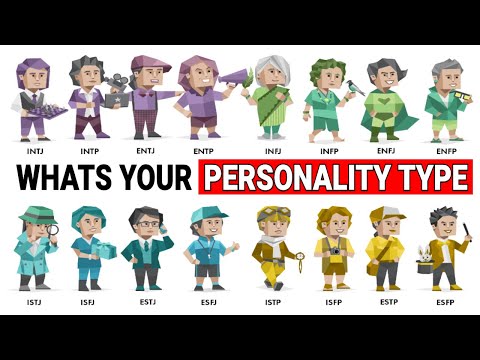
Okay, so let’s chat about something super interesting: Myers personality types. You ever heard of them?
These little nuggets of info really help you understand yourself and others. It’s like unlocking a cheat code to your own brain—and who wouldn’t want that?
Imagine knowing why you click with some people and totally clash with others. That’s the magic here.
Plus, there’s a whole connection between these types and mental health, which is kinda wild, right? Like, understanding your type might even help you find balance or tackle tough emotions.
So, stick around! We’re digging into how these personality types shape our mental landscape. You in?
Exploring Personality Types in Mental Health: A Comprehensive Guide
Understanding personality types can feel like peering through a kaleidoscope—it’s colorful, complex, and full of surprises. When we talk about personality in the mental health space, the Myers-Briggs Type Indicator (MBTI) often pops up. It’s one of those tools that can help you understand yourself and the people around you better.
The MBTI sorts personalities into **16 distinct types** based on four pairs of opposing traits:
- Introversion (I) vs. Extraversion (E): This pair focuses on where you draw your energy from. Introverts recharge solo, while extraverts thrive on social interaction.
- Sensing (S) vs. Intuition (N): This axis is about how you take in information. Sensors like concrete facts; intuitives prefer possibilities and big ideas.
- Thinking (T) vs. Feeling (F): Here’s where decision-making styles come into play. Thinkers are logical and objective, while feelers prioritize personal values and emotions.
- Judging (J) vs. Perceiving (P): This one shows how you approach life. Judgers prefer order and plans; perceivers are more flexible and open to changes.
So, what does all this mean for mental health? Well, your personality type can shape your coping strategies, relationships, and even how you respond to therapy.
Take someone who falls into the **Feeling** category—they might struggle with emotional decisions or be highly empathetic toward others’ feelings. So when they face a tough situation, their first instinct could be to seek support from friends or loved ones instead of retreating inward.
On the flip side, a **Thinking** type might tackle problems more analytically—breaking them down logically instead of getting wrapped up in emotions. This difference can affect how each person interacts with a therapist or processes their feelings after hard events in life.
Imagine two friends going through a breakup: one is an INFP—sensitive and reflective—and the other is an ESTJ—pragmatic and organized. The INFP might write poetry to express their feelings and seek deep conversations about it all, whereas the ESTJ might focus on making lists about what went wrong to ensure it doesn’t happen again.
Personality types also play into **how people communicate**, which is vital in therapy settings. Knowing if someone tends toward introversion means understanding they might take longer to open up during sessions or need a bit of gentle nudging to share their thoughts.
But here’s the catch: while these frameworks are insightful tools for self-awareness and personal growth, they shouldn’t put you in a box! People are unpredictable animals; we adapt based on experiences et cetera!
And sometimes personality assessments can oversimplify complex individuals who don’t fit neatly into these categories or may change over time due to various life experiences.
In essence, figuring out your Myers-Briggs type could give you clues about your emotional responses and how best to navigate relationships—both platonic or romantic—and therapy environments as well!
So overall? It’s not just about knowing whether you’re an INFJ or ESTP but embracing what that means for your life journey while recognizing it’s just one part of who you are!
Exploring the Role of Myers-Briggs in Modern Psychology: Myths and Facts
The Myers-Briggs Type Indicator (MBTI) has been around for a while and has found its way into a lot of conversations about personality. You’ve probably heard about it, maybe even taken a test or two. But what’s the real deal with it? Let’s break this down.
First off, the MBTI is based on Carl Jung’s theory of psychological types. It divides people into **16 different personality types** using four dichotomies:
- Introversion (I) vs. Extraversion (E)
- Sensing (S) vs. Intuition (N)
- Thinking (T) vs. Feeling (F)
- Judging (J) vs. Perceiving (P)
So, what happens is, you answer a bunch of questions, and boom! You get a four-letter code that’s supposed to represent your personality type, like INFP or ESTJ. Sounds neat, right? Well, hold on.
One common myth is that the MBTI can tell you everything about yourself—like your future career success or how you’ll handle relationships. Honestly? That’s a bit of an overreach! While it can give insights into how you typically think and behave, it doesn’t predict behavior in every situation. It’s more like a fun framework to help understand tendencies rather than an absolute measure.
Another misconception is that the MBTI sorts people into «good» or «bad» categories. Seriously, everyone thinks they’re either one type or another, but the reality is much messier than that! People are complex; emotions aren’t neatly categorized by just those letters!
Plus, there are limits in how reliable these tests are. Some folks might get different results if they take the test again later. This inconsistency makes it harder to fully rely on MBTI findings when considering mental health needs.
Now let’s talk about mental health specifically. The MBTI isn’t officially recognized in clinical psychology—meaning it’s not used as a diagnostic tool for conditions like depression or anxiety. Instead, therapists might use it more as a conversational starter in therapy sessions to help clients reflect on their thoughts and behaviors.
But don’t let that discourage you from finding value in it! Many people enjoy learning about their type and how they relate to others—it can be eye-opening! For example, if you’re an ENFJ and find yourself drained after social events while your INFJ friend feels recharged by them—understanding these differences can help both of you navigate friendships better.
So yeah, while the Myers-Briggs framework can provide some useful insights into communication styles or preferences at work and home, it’s essential not to take it too seriously when dealing with mental health issues. It’s kind of like looking at a map—it helps give context but doesn’t replace real-life experiences or deeper psychological assessments.
In summary:
- The MBTI offers insights but shouldn’t be seen as definitive.
- It’s more useful for fostering discussion than diagnosing mental health conditions.
- Understanding personality types can improve communication but should be treated as one piece of the puzzle.
When considering your mental health journey—or helping someone else with theirs—look at various tools out there: therapy techniques, mindfulness practices—and maybe keep Myers-Briggs as just one approachable option among many!
Discover the 4 Key Personality Types That Shape Our Lives and Relationships
Alright, let’s dig into the idea of personality types and how they shape our lives and relationships. You might have heard of the Myers-Briggs Type Indicator (MBTI), which is super popular for understanding who we are and how we interact with others. It’s broken down into four key personality preferences, and honestly, it can make a huge difference in how you navigate your life.
1. Extraversion (E) vs. Introversion (I)
This is all about where you gain your energy. Extraverts get their boost from being around people. They’re like social butterflies! So, when they hang out at parties or gatherings, they feel charged up. On the flip side, introverts recharge by spending time alone or in quiet settings. They might need a little downtime after a social event to refocus.
Imagine this: you’ve got two friends planning a night out—one can’t wait to hit the town, while the other would rather chill at home with a book and some snacks. Understanding these differences can help avoid misunderstandings and frustration.
2. Sensing (S) vs. Intuition (N)
Here we go! This dimension deals with how you take in information. Sensing types focus on the present and tangible details—they love facts and reality! Intuitive types are more about the bigger picture and future possibilities; they thrive on concepts and ideas.
Let’s say you’re working on a team project—sensors will want concrete data to back up their suggestions, while intuitives may throw out creative visions for where things could go. Recognizing these styles can improve collaboration because both perspectives are valuable but might clash if you’re not aware of them.
3. Thinking (T) vs. Feeling (F)
This one’s interesting! Thinking types tend to prioritize logic and objective criteria when making decisions—they’re like the rational robots of the group! Meanwhile, feeling types base decisions on personal values and emotions; they’re more in tune with how things affect people on an emotional level.
Picture this scenario: You’re deciding whether to move away for a job opportunity. A thinking type will list pros and cons analytically, while a feeling type might consider how it impacts loved ones first—what’s right for them emotionally? Knowing this helps teams balance decisions better so that everyone’s voice is heard properly.
4. Judging (J) vs. Perceiving (P)
Alrighty! This last pair reflects how you approach structure in your life. Judging types prefer orderliness—they like plans, schedules, and having things set in stone before taking action. Perceiving types are much more flexible; they’re cool with spontaneity—and often even thrive on it!
Imagine planning a vacation: A judging type wants an itinerary planned down to every detail before leaving home—meanwhile, a perceiving type is excited about winging it once they arrive at their destination! If both kinds can appreciate each other’s styles, travel experiences can actually become way more enjoyable!
Incorporating an understanding of these personality preferences into your daily life or work environment can be quite eye-opening—seriously! By knowing yourself better through this lens helps improve communication too, leading to stronger relationships overall.
So when you’re dealing with conflicts or just day-to-day interactions—it pays off to understand where someone else might be coming from based on their personality type instead of just reacting impulsively or getting frustrated without realizing why there’s tension brewing!
So, let’s chat about Myers Personality Types and how they tie into mental health. You might know about the Myers-Briggs Type Indicator (MBTI), which is all about categorizing personalities into 16 different types. It’s like sorting people into neat little boxes based on how they think, feel, and interact with the world. Pretty cool, right? Or maybe a bit limiting? That’s up for debate.
I remember my friend Emma going through a tough time last year. She was feeling lost and overwhelmed with her job and relationships. After a bit of soul-searching, she took the MBTI test and found out she was an INFP – you know, the idealists who are all about values and authenticity. That little revelation turned out to be a game changer for her! Understanding that helped her realize why she felt drained in certain social situations. It explained so much about who she was—like she found this missing piece of herself.
Now, don’t get me wrong; I think personality types can be super useful in mental health conversations. They can help you identify your strengths and weaknesses or even understand your reactions to stressful situations. But it’s crucial to remember that people are way more than just four letters on a paper. Life has layers; some days you might feel introverted while other days you’re all extroverted vibes—you follow me?
Also, when we talk mental health, sometimes we overemphasize these types as if they’re the only thing at play. Sure, being an INFJ might make you sensitive to others’ feelings but life experiences, past traumas, or even just having a bad day can shape how you react too.
In therapy settings or support groups, knowing someone’s personality type can actually enhance communication and understanding between people. If someone knows you’re more of a thinker rather than a feeler (think INTJ vs. ESFP), they might approach conversations differently—more logically versus emotionally intense—which could lead to better connections.
Overall, Myers Personality Types have their place in helping us navigate the complexities of our minds and relationships but let’s not forget we’re all unique beings living our own stories! Finding that balance between using these types for insight while recognizing our individuality is key—it’s like mixing colors on a canvas instead of just sticking with one shade forever! So yeah, personality types can be enlightening but should really be used as just one tool in understanding ourselves better—not the whole toolbox!