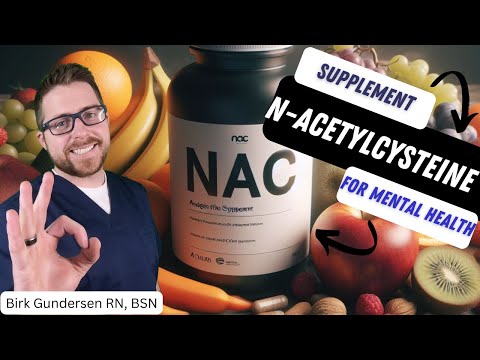
You ever feel like you’re stuck in your own head, just spiraling? Yeah, we’ve all been there. It’s like a loop of worries that just won’t quit.
Lately, I’ve been checking out some discussions on Reddit about NAC anxiety—yeah, that’s N-acetylcysteine for the science buffs. People are sharing their ups and downs, and it’s honestly eye-opening.
It’s wild how many folks are grappling with this stuff. Some of them have found ways to cope, while others are still searching for answers. You know what I mean?
So, let’s take a look at what these conversations reveal. There are some real gems in there that might just help you or someone you care about feel less alone in this whole mess.
Exploring the Benefits of NAC for Reducing Rumination: A Closer Look at Mental Health
Rumination can be a real downer, right? It’s that annoying habit of getting stuck in your head, replaying the same thoughts over and over. You might find yourself thinking about that embarrassing thing you said years ago or worrying about tomorrow’s meeting non-stop. It just keeps going, and it can mess with your mental well-being.
There’s been some buzz around a supplement called NAC, or N-Acetyl Cysteine. People are saying it might help with emotions like anxiety and depression, especially when you’re caught in that ruminating loop. So what’s the deal with this stuff?
NAC is an antioxidant, which basically means it helps protect your cells from damage. But more than that, it has some cool effects on brain chemistry. Research suggests that NAC may increase levels of glutathione, a compound that fights oxidative stress in the brain. This is important because oxidative stress has been linked to various mental health issues.
Now, let’s talk about rumination. When you’re stuck stressing over the same stuff, it can lead to feelings of hopelessness and anxiety. For instance, imagine lying awake at night because you can’t stop thinking about something awkward you did at work—ugh! That’s where people are finding NAC comes into play.
Some users on Reddit have shared their experiences with NAC when dealing with anxiety, saying they felt less overwhelmed by their racing thoughts. Here are some things they pointed out:
- Less Anxiety: Many reported feeling calmer and more in control of their thoughts after starting NAC.
- Reduction in Negative Thoughts: Users mentioned that they found it easier to move past negative thinking patterns.
- Improved Focus: Some even said they had better concentration because their minds weren’t constantly running laps.
It’s worth noting, though: not everyone will experience these benefits. Mental health is tricky like that! What works for one person might not work for another.
If you’re considering trying NAC for rumination or anxiety, it’s probably best to chat with a healthcare professional first. They can help guide you on whether it’s appropriate for your situation based on your specific health needs.
Also remember that while supplements like NAC can be helpful, they’re not magic pills. They shouldn’t replace therapy or other proven treatments but can certainly be part of a broader strategy to manage rumination and anxiety.
To wrap it up—NAC shows potential as a tool for those who battle rumination and the cycle of negative thinking. It’s not the answer for everyone but could be worth exploring if you’re looking for ways to feel more grounded in your thoughts without getting trapped in them again!
Discovering the Timeline: How Long Does NAC Take to Relieve OCD Symptoms?
Well, when it comes to using NAC, or N-Acetylcysteine, for OCD symptoms, the timeline can be a bit tricky. You know? Different people respond at different paces. What works for one person may not work the same way for another.
So, first off, let’s lay some groundwork. NAC is a supplement that helps replenish glutathione levels in your body. It’s been getting some attention lately for its potential benefits in treating various mental health issues, including OCD and anxiety. Some folks on Reddit have shared their experiences with it, which often add a personal touch to this whole conversation.
Typically, you might expect to start seeing some changes within **4 to 12 weeks** of consistent use. That’s like a couple of months of patience before you notice any significant shift in those pesky OCD symptoms. However, some people say they feel minor improvements earlier on—like after just a few weeks—while others might take longer.
It’s pretty common for users to report experiencing **a reduction in compulsions and obsessions**, but individual experiences vary wildly. Here are a few key points that popped up in those Reddit discussions:
- Dosage matters: Many folks suggest starting with about 600 mg to 1200 mg daily and adjusting based on what feels right.
- Stay consistent: Taking it regularly seems crucial; skipping doses might mean slower results.
- Monitor your mood: People often mention keeping track of any changes in mood or anxiety levels during the treatment.
And let’s not forget about the **side effects**! Some use NAC without any hiccups while others experience stomach upset or headaches. If that happens to you, well, it might mean adjusting the dose or just chatting with a healthcare provider.
Then there’s this other point—they say combining NAC with traditional therapeutic approaches like cognitive-behavioral therapy (CBT) can make the magic happen faster! Basically, you’re tackling OCD from multiple angles.
Lastly, remember this: while many find relief with NAC over time, everyone’s journey is different. Listening to your body is super important here so keep communication open with whoever’s guiding you through this process.
So yeah—patience and consistency are key if you’re thinking about trying NAC for OCD! And remember to take care of yourself along the way!
The Optimal NAC Dose for Alleviating Anxiety: A Comprehensive Guide
Anxiety can be such a struggle, and many people are always on the lookout for ways to ease it. One supplement that pops up a lot in discussions is NAC, or N-Acetylcysteine. It’s supposed to help with anxiety by supporting your brain’s health. But what’s the right dose? Let’s break it down.
First off, NAC is known for its antioxidant properties. This means it helps reduce oxidative stress in the brain, which might play a role in anxiety disorders. Some folks on Reddit have shared their experiences with using NAC as part of their routine to manage symptoms.
Now, when it comes to dosing, things can get tricky. The typical range most people seem to talk about is between 600 mg and 2400 mg per day. But hey, not everyone reacts the same way to supplements, you know?
You might find that starting with a lower dose like 600 mg per day is a good idea. This way, you can see how your body responds without overwhelming yourself right off the bat. If all goes well after a week or so, you could consider bumping it up to around 1200 mg daily.
Some Reddit users have reported feeling improvements at this level—like less racing thoughts and an overall calmer vibe. But others went higher, mentioning doses like 2400 mg daily, particularly if they’re dealing with more intense anxiety.
Still, there’s no one-size-fits-all answer here. It’s super important to listen to your body and adjust accordingly. Plus, keep in mind that combining NAC with other treatment methods—like therapy or lifestyle changes—can really amplify its effects.
Also worth noting: If you’re on other medications or have certain health conditions like asthma or kidney issues, it’s wise to check in with your doc first before adding NAC into the mix.
In summary:
- NAC might help alleviate anxiety by reducing oxidative stress.
- Common doses range from 600 mg to 2400 mg per day.
- Starting low (like 600 mg/day) lets you gauge your response.
- Listen to your body!
- If you’re taking other meds or have health concerns, consult with a healthcare provider.
Navigating anxiety can be tough but exploring options like NAC may offer some relief for many people!
So, you know how sometimes you get those moments when anxiety just takes over? Like, it’s one of those things where your heart races, your palms sweat, and suddenly everything feels too much. I recently stumbled upon some Reddit threads about coping with anxiety, and honestly, it was a wild ride through people’s experiences.
People shared their stories that really hit home. One person talked about how they felt paralyzed by their thoughts before a big presentation at work. They’d get caught up in worst-case scenarios—forgetting their lines or embarrassing themselves in front of colleagues. But what they found helpful was a trick called grounding. Basically, it’s all about focusing on the here and now, like naming five things you can see or hear around you. Simple stuff that somehow pulls you back from spiraling.
Another user mentioned their struggle with social situations; they’d feel like they were drowning in a sea of awkwardness at parties. So what did they do? They started bringing a friend along to help ease the pressure. I mean, that’s so relatable! Just having someone you trust can make all the difference.
There’s also this common theme popping up: the importance of routine and self-care. Some folks said they made it a point to take walks or journal when life felt overwhelming. It’s amazing how taking time out for yourself—even for just a few minutes—can change your whole outlook.
And let’s not forget the power of humor—they say laughter is like an instant mood booster! One person joked about their anxiety being like an overzealous alarm system; it goes off way too often and for no good reason! That giggle might seem small but can lighten the load.
When you’re scrolling through these discussions on Reddit, it’s like you’re not alone anymore; everyone’s wrestling with similar feelings. It’s comforting to see how others cope because it gives you a sense of community. So if you’re ever feeling anxious (which we all do), remember that sharing your story or even just connecting with others online can be part of the healing process.
At the end of the day, it’s all about finding what works for you; there isn’t a one-size-fits-all solution here. Just keep trying different things until something clicks—you know? And hey, giving yourself grace along the way makes all the difference too!