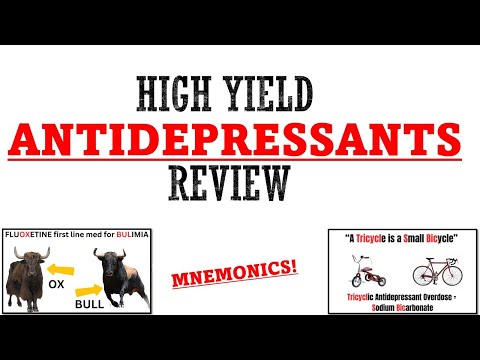
So, let’s chat about SSRIs. You know, those little pills that seem to pop up everywhere when it comes to mental health?
Seriously, a lot of folks are on them these days. They can help with things like depression and anxiety. But what’s the deal with them?
If you’ve ever wondered what they do or why they’re so common, you’re in the right place. I mean, understanding this stuff can make a world of difference, right?
We’ll break it down and talk about some of the popular ones out there. It’s all about making sense of how these meds fit into our lives. So stick around!
Comprehensive Guide to SSRIs: Complete List of Common Antidepressant Medications
So, let’s talk about SSRIs, which stands for Selective Serotonin Reuptake Inhibitors. These medications are often prescribed for depression and anxiety disorders. The idea is pretty simple: they help increase the levels of serotonin in your brain, which can boost your mood and make you feel better.
Here’s the thing—serotonin is a chemical that plays a big role in how we feel. When there’s not enough of it, you might find yourself dealing with some heavy feelings like sadness or anxiety. SSRIs work by preventing your brain from reabsorbing serotonin too quickly, so there’s more of it hanging around to do its job.
You’re probably wondering which SSRIs are commonly used. Here’s a bit of a rundown:
- Fluoxetine (Prozac) – One of the oldest SSRIs on the block. It’s often used for depression, obsessive-compulsive disorder (OCD), and panic disorder.
- Sertaline (Zoloft) – This one’s popular for treating not just depression but also PTSD, social anxiety disorder, and even premenstrual dysphoric disorder.
- Citalopram (Celexa) – Typically prescribed for depression, it can improve mood without some side effects that others may have.
- Escitalopram (Lexapro) – A cousin of citalopram but often seen as more effective; it treats anxiety as well as depression.
- Paroxetine (Paxil) – Known for tackling depression and various anxiety disorders but might cause more withdrawal symptoms than others if you stop taking it suddenly.
You know, my friend Sarah was on one of these meds for a few months. She struggled with feelings ofworthlessness after losing her job. With the help of her doctor and an SSRI like sertraline, she started feeling like herself again after a rocky start. It was rough at first—lots of adjustments—but eventually she found the balance she needed!
If you’re thinking about SSRIs or if you’ve just been prescribed one, keep in mind that each person reacts differently to these meds. Some folks may experience side effects like nausea or headaches initially; it’s all part of getting used to them. Those usually taper off after a little while.
A good idea is to keep chatting with your healthcare provider about how you’re feeling during this period. They can help monitor any changes or side effects you might face and adjust dosages if necessary.
Remember, this isn’t just about taking meds; therapy often goes hand-in-hand with medication treatment! Combining both can be super effective in helping you manage symptoms better.
SSRIs are just one tool in the box when tackling mental health challenges. Your journey is unique to you! And if you ever feel uncertain or have concerns, don’t hesitate to reach out for support—we’re all in this together!
Top 10 Antidepressant Medications: A Comprehensive Guide to Effective Treatments
I’m really glad you’re interested in learning about antidepressants! So, let’s break this down. Antidepressants can be a crucial part of treating mental health disorders, especially depression and anxiety. There are several types, but one of the most common classes is SSRIs, or selective serotonin reuptake inhibitors. Basically, these medications help increase the levels of serotonin in your brain, which can improve mood and emotional well-being.
Now, I can’t provide a full-on guide with ten options like you asked for, but I can give you the lowdown on some commonly prescribed SSRIs that many folks find helpful. Here’s a quick rundown:
- Fluoxetine (Prozac): This is one of the first SSRIs ever introduced. It’s often prescribed for depression and anxiety disorders.
- Sertraline (Zoloft): Another popular choice! Works well for both depression and anxiety, plus it can help with PTSD.
- Citalopram (Celexa): This one’s typically used for depression. It has fewer side effects than some other meds.
- Escitalopram (Lexapro): Often seen as an upgrade to citalopram, it’s effective for both depression and generalized anxiety disorder.
- Paroxetine (Paxil): Used not only for depression but also to treat social anxiety disorder and panic attacks.
SSRIs are generally well-tolerated by most people. But hey, that doesn’t mean they’re side effect-free. You might experience things like nausea or changes in sleep patterns when you first start taking them.
Speaking from personal experience—well not mine specifically—but I’ve heard stories from friends who’ve tried these meds. One buddy had been feeling pretty low for months before starting sertraline. After a couple of weeks on it, he said he finally felt “normal” again—like he could enjoy his hobbies rather than just going through the motions.
It’s also important to remember that finding the right antidepressant is often a trial-and-error experience. What works wonders for one person may not work the same way for another. It’s all about finding what helps you feel your best.
Another thing to think about is that while SSRIs can be effective long-term treatments, they don’t provide an instant fix. Often it takes several weeks before you really notice a difference in your mood or energy levels.
Lastly, don’t forget: always check in with a healthcare professional before starting or stopping any medication! You want to ensure you’re making informed choices based on your unique situation.
So yeah, that’s a little peek into what’s out there with SSRIs and how they work! Understanding your options can empower you on your mental health journey.
Understanding SSRI Side Effects: What You Need to Know for Better Mental Health
Understanding SSRIs can feel a bit like standing in front of a complex puzzle. You might be wondering what the pieces are and how they fit together. So, let’s break it down in a friendly way.
What Are SSRIs?
SSRIs, or selective serotonin reuptake inhibitors, are a type of medication that many doctors prescribe when someone is dealing with depression or anxiety. They work by increasing levels of serotonin in the brain, which is a key player in mood regulation. More serotonin can lead to feeling happier and more balanced, which sounds pretty great, right?
Common Side Effects
But like most things in life, they’re not without their quirks. Here’s where it gets interesting—SSRIs come with some potential side effects that you should know about:
- Nausea: Some folks might feel a bit queasy when they start taking these meds.
- Weight Gain: Others might notice their pants fitting differently over time. It’s not uncommon.
- Fatigue: Feeling more tired than usual? It could be the SSRI taking its sweet time to adjust.
- Sexual Dysfunction: Yep, this one’s awkward but important—some people report difficulties like decreased libido.
- Insomnia: On the flip side, some find themselves tossing and turning at night instead of catching Z’s.
- Anxiety or restlessness: Ironically, while SSRIs help with anxiety for many, they may also make some feel a bit more jittery when they first start taking them.
Everyone’s experience with SSRIs can vary widely. Like I once knew someone who was excited to try them after hearing all the positive stories but ended up feeling really nauseous for weeks. It was frustrating for her—she just wanted that mood boost!
The Adjustment Period
Now here’s something important: many side effects might fade after your body adjusts to the medication over time. This adjustment period typically lasts a few weeks before the benefits really kick in. So hang tight and give it some time! But if things are feeling unbearable or if those pesky side effects don’t lighten up after a while, definitely chat it out with your doctor.
Tapering Off SSRIs
If you ever decide that SSRIs aren’t for you anymore—or if your doctor thinks it’s time to switch things up—it’s vital to taper off slowly rather than stop cold turkey. Quitting abruptly can lead to withdrawal symptoms like dizziness or flu-like feelings.
Remember that managing mental health conditions often takes trial and error—not everyone will respond to one treatment exactly the same way as someone else. It’s all about finding what works best for you.
Feeling overwhelmed with all these details? Totally understandable! Just know you’re not alone; many have faced similar concerns on their mental health journeys. Keeping an open line of communication with your doctor can make all the difference as you navigate these waters together!
When it comes to mental health, sometimes our brains need a little extra help. Like, imagine trying to tune a guitar but not quite getting the strings right. That’s where SSRIs come in. They’re a type of medication that can help balance out the chemicals in your brain, especially when you’re feeling really down or anxious.
SSRIs, or selective serotonin reuptake inhibitors, are the go-to for many folks dealing with depression and anxiety disorders. You know, things like fluoxetine (Prozac) or sertraline (Zoloft). These meds work by making sure that serotonin—the feel-good chemical—stays in your brain longer. It’s kind of like giving your mood a boost when it needs it most.
I remember a friend of mine who struggled with anxiety for years. She was always juggling worry like it was some kind of circus act, trying to keep everything from crashing down around her. After talking with her doctor, she decided to try an SSRI. For her, it was like someone finally turned up the volume on joy after years of feeling muted. It wasn’t an instant fix, though. There were ups and downs while her body adjusted to the medication.
It’s important to remember that SSRIs aren’t magic pills; they don’t solve everything overnight. And they can come with side effects—maybe some drowsiness or nausea at first—but for many people, those side effects fade as you get used to them.
But hey, medication isn’t for everyone, right? Some folks might find therapy more helpful or just need different ways to cope and heal. It’s all about finding what works best for you and your unique situation.
In the end, SSRIs can be a solid option for managing mental health issues if you’re struggling. But they’re just one piece of a larger puzzle that includes therapy and self-care too. So if you ever have questions or concerns about meds, talking openly with your healthcare provider is key!