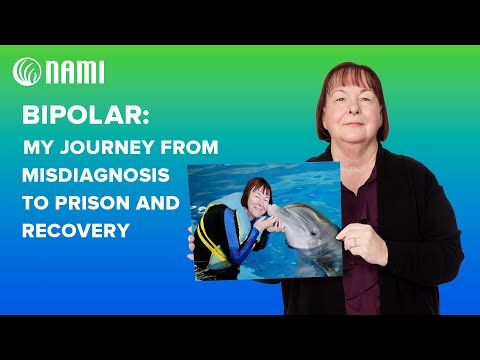
So, let’s talk about bipolar disorder for a sec. It’s one of those things that can feel really heavy, you know? It gets tossed around in conversations, but often people don’t really get it.
That’s where NAMI comes in. They’re like this awesome support network making waves in the mental health world. Seriously! They’re all about spreading awareness and helping folks understand what living with bipolar disorder is really like.
Imagine living with these intense highs and lows that just don’t quit. Sounds exhausting, right? NAMI is working to change the narrative and provide tools for people who need them.
It’s not just about information; it’s about connection and support too. So, if you’ve ever felt confused or touched by someone dealing with this, stick around! There’s plenty to learn from NAMI’s efforts in raising awareness and making life a bit easier for everyone involved.
Exploring How NAMI Supports Individuals Living with Mental Illness
NAMI, which stands for the National Alliance on Mental Illness, is a big deal when it comes to supporting folks dealing with mental health conditions. They really focus on helping individuals and families who are living with mental illnesses, including bipolar disorder. So let’s break down how NAMI plays a crucial role in this.
Education and Awareness
One of NAMI’s main priorities is education. They provide information about various mental health conditions, including bipolar disorder, in a way that’s super easy to understand. This is important because many people out there have misunderstandings about what bipolar disorder really is. For instance, it’s not just about mood swings; it involves periods of intense highs (mania) and lows (depression). By raising awareness and providing accurate information, NAMI helps reduce stigma surrounding these conditions.
Support Groups
Another significant aspect of NAMI’s work is offering support groups. These gatherings are like safe spaces where people experiencing similar challenges can come together to share their stories. Feeling heard and understood can be a game changer! Imagine attending a group where you realize others have faced the same struggles as you—it’s comforting! People often leave these meetings feeling lighter and more connected.
Advocacy
NAMI doesn’t just support individuals; they also advocate for them at different levels. Whether it’s pushing for better mental health policies or fighting for access to treatment, they’re on the frontline making sure that voices of those affected by mental illness are heard. This advocacy can lead to substantial changes in public policy, which ultimately impacts the quality of care available to those with conditions like bipolar disorder.
Resources for Families
Let’s not forget about families! NAMI recognizes that when someone has a mental illness, their loved ones also need support and guidance. They offer resources tailored specifically for family members coping with the challenges that come with caring for someone with bipolar disorder. This helps families understand what their loved one is going through and how they can best provide support without losing themselves in the process.
Crisis Intervention
In times of crisis, having quick access to help can be vital. NAMI provides resources like helplines where individuals can get immediate assistance during tough times. Knowing there’s someone on the other end who gets it—that feeling can ease so much anxiety when facing overwhelming emotions or situations.
In summary, through education, support groups, advocacy efforts, family resources, and crisis intervention services, NAMI plays a pivotal role in supporting individuals living with mental illnesses like bipolar disorder. Their comprehensive approach not only addresses immediate needs but also fosters long-term understanding and acceptance in society at large. If you know someone navigating these waters—or if it’s you—NAMI could be an invaluable resource worth checking out!
Essential Tips for Supporting Someone with Bipolar Disorder: A Guide to Understanding and Compassion
Supporting someone with bipolar disorder can feel a bit overwhelming. You might wonder how best to help while also keeping yourself grounded. It’s important to remember that compassion and understanding are key.
First off, let’s break down what bipolar disorder is. It’s more than just mood swings; it’s a mental health condition that causes extreme emotional highs (mania or hypomania) and lows (depression). You might notice these moods fluctuate from weeks of intense energy to times when your loved one feels really low. This isn’t something they can control, so being patient is super important.
Here are some ways you can support someone with bipolar disorder:
And don’t forget about setting boundaries! Supporting someone doesn’t mean sacrificing your own mental health. Make sure you’re taking care of yourself too—it’s okay to say no sometimes.
I remember my friend Sarah had a rough patch when she was managing her bipolar disorder. There were days she felt like she couldn’t get out of bed at all, but there were also those moments where she’d burst with creativity and plans for the future! I learned pretty quickly that just being there—offering cups of tea and cozy blankets during the rough days—helped her feel seen and cared for.
Lastly, don’t underestimate the power of community support! Check out local NAMI chapters or support groups where both of you can connect with others who understand what you’re going through.
In summary, supporting someone with bipolar disorder takes patience, empathy, and an open heart. Stay informed, listen actively, encourage healthy habits, recognize signs of change, avoid stressors when possible—and make sure you’re taking care of yourself too! A little understanding really goes a long way in this journey together.
Understanding the NAMI Principles of Support: A Guide to Mental Health Advocacy
The NAMI (National Alliance on Mental Illness) Principles of Support are super helpful if you’re looking to understand how to advocate for mental health, especially for conditions like bipolar disorder. These principles can give you a framework to support not just yourself, but also others dealing with mental health challenges.
1. Understanding and Respect
When someone talks about their mental health struggles, it’s crucial to treat them with respect and understanding. This means listening actively and recognizing their experiences as valid. Picture this: you’ve got a friend who’s opening up about their bipolar disorder. Instead of jumping in with advice or stories of your own, just be there and listen. You’ll be surprised how much that can mean.
2. Hope
NAMI emphasizes the power of hope in recovery. Recovery isn’t just about getting rid of symptoms; it’s more about leading a fulfilling life despite those challenges. Remind your loved ones that progress can happen, no matter how small each step may seem. Maybe they’ve tried a new hobby or met new friends — celebrate those wins!
3. Supportive Relationships
Building connections is essential in any advocacy effort. This means creating an environment where people feel safe to share their struggles without fear of judgment or stigma. Think about it: if someone with bipolar disorder feels they can talk freely about their feelings and experiences without being brushed off or misunderstood, they are way more likely to seek help when they need it.
4. Empowerment
It’s important for individuals facing mental health challenges to feel empowered in their journey toward wellness—so don’t do everything for them! Encourage them to take charge of their own care and decisions related to treatment options, whether that involves therapy, medication, or other self-care strategies.
5. Advocacy
You’ve got to speak up! Advocating doesn’t just mean raising awareness; it also means standing up against discrimination and championing policies that improve mental health resources and access for everyone, including those living with bipolar disorder.
Understanding these principles can really help in creating a community where everyone feels supported and valued. NAMI plays such an essential role in standing up for people with mental illnesses by helping break down stigma around conditions like bipolar disorder while promoting awareness through education.
So remember: Each time you practice these principles—whether it’s lending an ear or empowering someone—you play a part in making our world a little bit kinder for those navigating the ups and downs of mental health issues like bipolar disorder.
You know, when you think about mental health advocacy, NAMI—The National Alliance on Mental Illness—really stands out. It’s like they’re this big safety net for folks dealing with mental health challenges, especially when it comes to conditions like bipolar disorder. So, what’s the deal? Well, first off, they work hard to raise awareness. And that’s super important because a lot of people still have misconceptions about bipolar disorder.
I remember chatting with a friend of mine who has bipolar disorder. They told me how isolating it felt before they found support groups. Like, they thought they were the only ones going through these intense mood swings and feelings of despair. But through NAMI’s programs and resources, they connected with others who really understood what they were going through. It was like having a lifeline when everything felt chaotic.
NAMI is not just about awareness; it’s also about education. They provide information that’s easy to digest—like workshops and classes that dive into what bipolar disorder really means and how it affects lives. This makes such a difference! When I first learned about it from their materials, I felt like the fog lifted a bit. Suddenly, all those dramatic portrayals in movies made more sense as exaggerations rather than reality.
And let’s not skip over advocacy work! NAMI is constantly pushing for policy changes that benefit those living with bipolar disorder and other mental illnesses. They fight for better access to treatment and support services because guess what? People shouldn’t have to jump through hoops just to get help.
So yeah, NAMI plays such a crucial role in fostering understanding and compassion toward people experiencing bipolar disorder. They create spaces where individuals can feel heard and validated without judgment. When you see someone start to speak openly about their experiences after getting involved with NAMI, it’s honestly heartwarming—it takes courage but also highlights the power of community support.
In short, it’s not just about spreading awareness; it’s about building hope and connection for anyone grappling with these challenges—and that’s priceless!