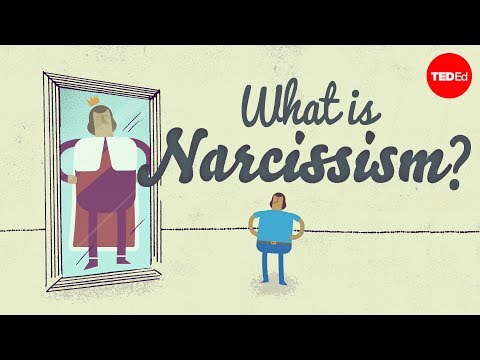
You know how sometimes you meet someone who just lights up a room? But then there are those other folks who seem to think the world revolves around them, right? That’s narcissism for you.
It’s not just about loving yourself a little too much. It’s more of a complex vibe that can mess with relationships and mental health. And believe me, it’s way more common than you’d think.
In the U.S. mental health system, we’re starting to unpack this tricky issue. It pops up in therapy sessions, and it’s part of some serious conversations among professionals and families alike.
So what’s the deal with narcissism? Why does it matter to us as we navigate our own emotional struggles and help each other out? Let’s dig into it!
Understanding the Impact of Narcissism on Mental Health: Key Insights and Effects
Narcissism, huh? It’s one of those things that can really shake up the mental health landscape. So, what’s the deal with narcissism and why does it matter? Well, let’s break it down.
First off, narcissism is often misunderstood. It’s not just about being self-absorbed or thinking you’re the best at everything. There are actually varying degrees to it. You’ve got your everyday narcissistic traits—like someone who loves talking about themselves a bit too much—and then there’s Narcissistic Personality Disorder (NPD), which is way more intense and impacts relationships, work, and overall happiness.
Now, the tricky thing is that people with high levels of narcissism often struggle with underlying insecurities. Sounds like a contradiction, right? But here’s the thing: their grandiose image is often a cover for deep feelings of inadequacy. So when push comes to shove, they might lash out or become defensive if they feel criticized or challenged.
In relationships—like friendships or romantic ones—this can be super tough. A narcissist may dominate conversations or show little empathy for others’ feelings. Imagine trying to share a tough day only to have them redirect the convo back to their own issues. Frustrating, right? This can lead to conflict and ultimately impact someone’s mental health who might feel disregarded or unvalued.
Here are some key insights on how narcissism affects mental health:
- Low empathy: Narcissists often lack the ability to understand other people’s feelings. That means they might miss cues that someone else is in distress.
- Relationship strain: Their self-centered behavior can drive friends and loved ones away, leading to loneliness and even depression.
- Difficulties handling criticism: They tend to react poorly when confronted with any form of criticism. This can lead to emotional outbursts or withdrawal.
- Anxiety and sadness: Even though they project confidence, many experience anxiety when their self-image feels threatened.
To put this into perspective—let’s say you have a friend who constantly brags about their job but never asks about yours. Over time, you might start feeling like your experiences don’t matter as much as theirs do. It wears you down emotionally because you’re always on the receiving end of one-sided conversations.
On another note, Narcissists might seek help. Some may eventually recognize their patterns but often get frustrated when therapy doesn’t validate their sense of superiority or provide immediate affirmation of their worth.
And here’s where it gets even more interesting: Narcissism influences how our mental health care works in the U.S. The system often prioritizes approaches that focus on building self-esteem rather than addressing underlying issues related to narcissism itself. This can be problematic because just pumping someone up doesn’t tackle deeper emotional wounds.
In short, understanding narcissism’s impact on mental health is crucial—not just for those who identify with these traits but also for those around them who may be struggling as well. It creates a ripple effect that can influence relationships and emotional well-being significantly! So yeah, managing interactions with narcissistic traits requires awareness and sometimes even setting firm boundaries for your own mental health protection.
Exploring the Rise of Narcissism in America: Causes and Impacts on Society
Let’s talk about narcissism. You’ve probably met someone who just can’t stop talking about themselves, right? It seems like it’s everywhere these days, especially in America. So, what’s the deal with this rise of narcissism? And how does it affect us all?
Firstly, narcissism isn’t just one thing; it exists on a spectrum. At the healthy end, you’ve got self-confidence and self-love. But when someone swings toward the unhealthy side, you see traits like a lack of empathy, an inflated sense of self-importance, and an obsession with admiration. The truth is, a lot of folks might exhibit some narcissistic traits now and then—it’s kind of human to seek validation.
Now, looking at why this is happening in America, we gotta consider a few things.
- Social Media: Platforms like Instagram and Facebook can feed narcissistic tendencies. It’s so easy to seek likes and comments as a way to measure self-worth. Just think about how many times you’ve scrolled through endless selfies or perfectly curated lives.
- Cultural Values: Our society often celebrates individualism and success above all else. This “go big or go home” mindset pushes people to focus on their own needs over others’.
- Parental Influence: Some parents may unintentionally raise kids who feel entitled or overly praised for basic achievements. It’s like giving a trophy for showing up instead of working hard.
- The Economy: Economic instability can make people desperate for attention as they try to stand out in a crowded job market.
These factors blend together to create an environment where narcissism can thrive—a real cocktail of issues if you ask me.
So what are the impacts on society? Well, they can be pretty far-reaching:
- Interpersonal Relationships
- Work Environments: Imagine working with someone who constantly seeks praise but never acknowledges your efforts—that creates tension. Teams suffer when collaboration is overshadowed by personal ambition.
- Mental Health Issues: Surprisingly enough, high levels of narcissism can lead to deeper issues like anxiety or depression when reality doesn’t match their inflated self-image.
- Civic Engagement
It’s kind of sad when you think about it—people missing out on genuine connections because they’re too busy focusing on their “brand.” I once knew someone who seemed super successful but could never keep friends around for long because every conversation ended up being about them—like why even bother with small talk?
So here we are in this world where narcissism seems more prominent than ever. Recognizing it is the first step toward addressing its impacts—both on individuals and society as a whole. Understanding these dynamics might be that little nudge we need to foster connections that matter instead of chasing empty validation.
At the end of the day, navigating this landscape requires awareness from all sides—the more we understand ourselves and each other, the better off we’ll be!
Understanding Narcissism: Insights from the DSM-5 Framework
Narcissism, in a nutshell, is like that elusive puzzle piece in the grand picture of mental health. The DSM-5, which is the go-to manual for diagnosing mental disorders, lays out some pretty clear characteristics. Basically, it helps in understanding how narcissism functions and why it can be a big deal in the U.S. mental health system.
So, first off, let’s break down **narcissistic personality disorder (NPD)**. It’s this pattern of grandiosity—think inflated self-importance—and a constant need for admiration. It might sound like someone you know who always seems to be talking about themselves or fishing for compliments at every chance they get.
Here are some key points the DSM-5 highlights about narcissism:
- Grandiose sense of self-importance: Narcissists often exaggerate achievements and talents.
- Preoccupation with fantasies: They’re usually lost in a world where they’re incredibly successful or powerful.
- Believing they are special: They think they can only be understood by other high-status people or institutions.
- Narcissistic need for admiration: Constant validation from others is essential to them.
- Lack of empathy: They struggle to relate to others’ feelings and often dismiss them entirely.
You know how sometimes folks seem totally oblivious to how their behavior affects others? That’s a classic sign of narcissism. Imagine sitting across from someone who just keeps talking about their latest achievements while ignoring your stories completely—it can be infuriating!
Now, let’s chat about how this all fits into the U.S. mental health system. Narcissism doesn’t just exist in a vacuum; it affects relationships and workplaces too. People with NPD can have tumultuous relationships because their need for admiration clashes with others’ needs for connectivity and empathy.
Moreover, treating someone with NPD can feel like navigating a minefield. Therapy isn’t always straightforward since these individuals may see themselves as flawless and thus resist recognizing any flaws or seeking help. The thing is, therapy aims at helping them develop empathy and healthier coping mechanisms but that journey takes time—and patience.
What’s really eye-opening is that narcissism doesn’t just impact the person who has it; it sends ripples through families and communities as well. Imagine growing up with a parent who only sees you as an extension of themselves—no wonder kids can struggle with self-esteem!
In short, understanding narcissism through the lens of the DSM-5 gives us this framework that reveals its complexities in both personal lives and societal dynamics. You’ve got this push-pull situation where understanding helps but doesn’t necessarily solve everything overnight.
So yeah, when you’re trying to get your head around narcissism—whether it’s in your life or someone else’s—it helps to remember these traits from the DSM-5. With this knowledge under your belt, you could spot these patterns more easily and maybe approach them with greater compassion (or at least prepare yourself!).
Narcissism, man, it’s such a fascinating topic. You see it everywhere in our lives—social media, politics, even in everyday conversations. But when you start digging into how it fits into the U.S. mental health system, things get a bit more complex.
Think about that friend who constantly needs validation. You know the one? Always posting perfect selfies or bragging about their latest accomplishments. It can be exhausting, right? That’s part of what narcissism can look like. On one hand, it might come off as confidence or charm; on the other hand, it can create some serious issues in relationships and self-esteem.
In terms of mental health, narcissism is often viewed through the lens of Narcissistic Personality Disorder (NPD). People with NPD tend to have an inflated sense of self-importance and a lack of empathy for others. Therapy can help them peel back those layers and understand their behaviors better. But here’s the catch: many people with narcissistic traits don’t see themselves as needing help. So they’re not walking through those therapy doors anytime soon.
The thing is, our mental health system has its share of challenges when dealing with narcissism. It tends to focus more on treating symptoms instead of tackling root causes—like childhood experiences or societal pressures that contribute to someone developing these traits in the first place. And then there’s the stigma around mental health that keeps some folks from seeking help at all.
I remember talking to someone who worked in social services about this stuff once—she shared a story about a client who was super charming but couldn’t hold down friendships because they always ended up feeling used or manipulated by him. It made me realize how important it is to approach narcissism with compassion while also holding folks accountable for their behaviors.
So where does all this leave us? Well, we need better education on personality disorders within our mental health system and society as a whole. By understanding that people aren’t just “selfish” but may actually be grappling with deeper issues can help us create more space for open conversations and healing—both for those exhibiting these traits and for those affected by them.
In short, while narcissism can be frustrating to deal with personally or as a society at large, shining a light on it rather than ignoring it could lead to healthier connections and better understanding all around. And hey, maybe we could use a little more empathy here?