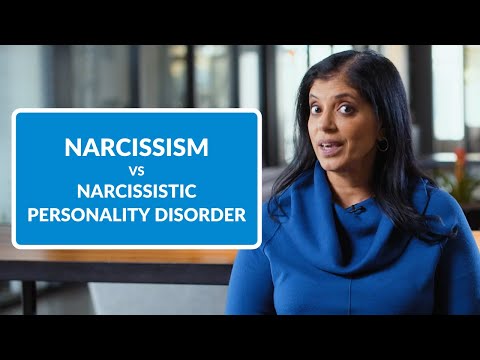
So, let’s talk about narcissism for a sec. I mean, it’s a word we throw around a lot, right? Like, someone posts a selfie with an intense filter and we’re like, “Ugh, classic narcissist!” But it’s not just about selfies or being self-absorbed.
There’s actually some real science behind it, and understanding the diagnostic criteria can be super eye-opening. Think of it as peeling back layers to see what’s really there.
You might be surprised at how complex this whole thing is. It’s not just inflated egos; there are actual patterns and behaviors that psychologists look for during evaluations. So let’s break this down in a way that makes sense!
Understanding Narcissism: Can a Psychological Evaluation Accurately Diagnose It?
Understanding narcissism can feel like trying to untangle a messy ball of yarn. You’ve probably heard the term tossed around casually, but there’s a lot more going on under the surface. So, what exactly is narcissism, and can a psychological evaluation really nail down whether someone fits the bill? Let’s break it down.
Narcissism is basically characterized by an inflated sense of self-importance and a deep need for admiration. But not all narcissism is created equal. There are different types, like **grandiose narcissism**, where someone has a high opinion of themselves and seeks out attention, and **vulnerable narcissism**, which is more about insecurity masking itself behind that big ego.
When it comes to diagnosing narcissistic personality disorder (NPD), professionals rely on criteria set out in the *Diagnostic and Statistical Manual of Mental Disorders* (DSM-5). Here are some key elements they look for:
- Grandiosity: A person might exaggerate achievements or talents.
- Need for admiration: There’s often an insatiable desire to be recognized as superior.
- Lack of empathy: This means they struggle to understand or care about other people’s feelings.
- Exploitation: It’s common for them to take advantage of others to get what they want.
- Envy: They often envy others or believe others are envious of them.
So how does a psychologist actually figure this out? Well, during a **psychological evaluation**, they’ll usually start with an interview, ask about your life history, and administer standardized tests. They’re looking for patterns in behavior that match those criteria from the DSM-5.
But here’s where it gets tricky. Sometimes people can show traits of narcissism without actually having NPD. It’s like trying to tell if someone has a cold or just allergies—symptoms might overlap! Plus, there’s always gonna be some gray area because people aren’t one-dimensional. Life experiences, cultural backgrounds, and even traumatic events play into how we behave.
Let me share a quick story: I once had a friend who was incredibly charming but could never acknowledge when he messed up. He’d dominate conversations and seemed indifferent when I’d share something personal that was bothering me. For years, I thought he just had an over-the-top personality—until I learned about those diagnostic criteria! It opened my eyes to how confusing these traits can be.
Ultimately, while psychological evaluations are helpful tools for identifying narcissistic behaviors accurately, it’s not always black-and-white. It takes time and expertise to get right—that’s why it’s essential that anyone seeking clarity consults with a qualified mental health professional who understands the nuances involved in diagnosing such complex issues.
In short: yes, evaluations can pinpoint narcissism using established criteria but remember—it involves more than just ticking boxes; it takes understanding human behavior in all its messy glory!
Understanding the Criteria for Narcissistic Personality Disorder Diagnosis: A Comprehensive Guide
Understanding Narcissistic Personality Disorder (NPD) can be a bit tricky, especially when diving into the diagnostic criteria. So, let’s break it down together in a way that’s easy to digest.
First off, **Narcissistic Personality Disorder** is all about how someone views themselves and interacts with others. People with NPD often have an inflated sense of their own importance and a deep need for admiration. They may come off as charming or confident at first, but there are underlying issues at play.
Here are some of the main diagnostic criteria used by mental health professionals:
- Grandiosity: This means having an exaggerated sense of self-importance. Like, they might believe they’re unique or special compared to others.
- Need for Admiration: They really crave constant praise and attention. If they don’t get it, they could feel overlooked or angry.
- Lack of Empathy: This is a big one! They often struggle to recognize or care about other people’s feelings. Imagine talking to someone who just doesn’t seem to get how you feel—it’s frustrating.
- Entitlement: Many believe they deserve special treatment or that rules don’t apply to them. It’s like they’re on their own VIP list.
- Exploitation: They may take advantage of others to reach their own goals, often without any guilt about it.
- Envy: Feeling envious of others is common, and sometimes they even think others envy them too!
- Arrogant Behaviors: They might come off as snobby or haughty, looking down on people they see as less important.
Now picture this: You know someone who constantly talks about their accomplishments but never asks how your day was? That’s a hint of NPD in action—they’re so focused on themselves that they miss the bigger picture around them.
For diagnosis, **a mental health professional** typically looks for these behaviors over time—like the person has shown these traits consistently and across different situations since early adulthood. Making the diagnosis isn’t just about ticking boxes; it involves understanding how these traits affect relationships and daily life.
But here’s the thing: we all have some narcissistic traits at times—maybe you’ve had moments where you wanted more attention after a great achievement. What sets NPD apart is the degree and impact of these traits on your life and others around you.
So if you notice patterns or relationships that just aren’t functioning well because someone seems overly caught up in themselves—encouraging them to talk to a professional could be a good move. Getting help not only benefits them but can also improve relationships with those who care about them.
In summary, understanding NPD starts with recognizing these key characteristics and how they show up in someone’s daily life. It can be tough navigating relationships when narcissism is involved but knowing what you’re dealing with can make all the difference!
Understanding Narcissism: A Comprehensive Guide to Clinical Diagnosis
Narcissism can be tricky to wrap your head around. So many people throw the term around casually, but when it comes to clinical diagnosis, it’s a bit more nuanced. Essentially, narcissism sits on a spectrum, with some folks just having traits of it, while others may meet the criteria for Narcissistic Personality Disorder (NPD).
Narcissistic Personality Disorder is diagnosed by mental health professionals using specific criteria from the DSM-5, which is like the ultimate handbook for diagnosing mental disorders. To be formally diagnosed with NPD, an individual typically needs to display at least five of the following characteristics:
- Grandiosity: This means having an inflated sense of self-importance. Picture someone who always brags about their achievements and expects everyone to admire them.
- Need for admiration: These folks thrive on attention. They might fish for compliments or feel hurt if they’re not the center of attention.
- Sense of entitlement: They often believe they deserve special treatment or that people should cater to their needs.
- Lack of empathy: It’s hard for them to understand how others feel. This can lead to relationships filled with misunderstandings and hurt feelings.
- Exploitativeness: Using others to achieve their own goals is common. They might manipulate people without a second thought.
- Envy: They often feel envious of others or believe that others are envious of them. Think about someone who can’t celebrate friends’ successes because they only see it as competition.
- Pompous behavior: This could show itself through arrogance or haughty attitudes toward others.
Just last week, I was chatting with a friend about her boss—man, he ticks almost all those boxes! He’s always boasting about his accomplishments and seems oblivious when team members express frustration over missed deadlines.
Now, you might wonder why understanding this disorder is important. Well, recognizing these traits can help you navigate relationships better—be it in work settings or personal life. People with NPD often create these cycles of drama and conflict because they struggle to see things from anyone else’s perspective.
Diagnosis isn’t just about checking off boxes though; it requires a comprehensive evaluation by trained professionals who take into account medical history and current functioning too. Sometimes, what looks like narcissism can actually be rooted in other problems like trauma or borderline personality traits.
That’s why getting help from a psychologist or psychiatrist can make a huge difference if you’re dealing with someone exhibiting these behaviors—or if you think you might relate too closely to some characteristics yourself.
When all’s said and done, understanding narcissism through this clinical lens helps demystify behaviors that can feel frustrating or baffling in everyday life. You don’t have to navigate it alone; seeking out therapy could be beneficial for both parties involved in these complex dynamics.
So, let’s chat about narcissism and what goes into figuring out if someone has that kind of personality, you know? It’s kind of wild how we toss around the term “narcissist” these days. Like, just because someone takes a lot of selfies or seems super into themselves doesn’t mean they’re on the narcissistic spectrum.
When professionals evaluate this, they look for a specific set of characteristics. The *Diagnostic and Statistical Manual of Mental Disorders*, or DSM for short, lays it all out. There are things like an exaggerated sense of self-importance, a need for admiration, and a lack of empathy. Those sound pretty intense, right? It’s not just about being self-centered; it’s more like a whole pattern of thinking and behaving that affects relationships and daily life.
I remember this one time when my friend was dating someone who definitely had some narcissistic traits. At first, it seemed exciting—the charm, the confidence! But as time went on, she felt drained. His conversations always circled back to him; her feelings were pushed aside like they didn’t even matter. It was such an eye-opener to see how those traits can really play out in real life.
Getting into a psychological evaluation can be a bit like peeling an onion—there are layers to uncover. A mental health professional might ask questions about past behaviors and how the person interacts with others. You’ve gotta consider context too—like someone might show some narcissistic traits in certain situations but not fit the whole criteria for a disorder.
It’s fascinating but also kinda sad how these patterns can develop. Often, underlying issues like insecurity or past trauma can fuel narcissism too. So when we think about diagnosing someone as narcissistic—there’s so much more than what meets the eye! It’s seriously complicated stuff that needs careful attention and understanding.
And remember, throwing labels around casually doesn’t help anyone—it skips over the deeper issues that might be going on beneath the surface. So yeah, it’s good to have these conversations while keeping in mind everyone’s story is unique!