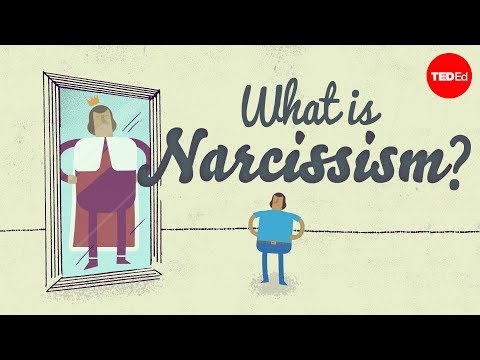
You know that guy? The one who always seems to think he’s the star of the show? Yeah, we all know someone like that.
Narcissism is like a buzzword these days. But what does it really mean, especially when it comes to men? It’s not just about selfies and social media, you feel me?
Let’s break it down together. There’s a lot going on beneath that shiny surface. And trust me, diving into this topic can be pretty eye-opening.
So grab a snack, settle in, and let’s chat about what narcissism actually looks like and how it can mess with relationships. You might just see some familiar faces… or maybe even yourself!
Exploring the Connection Between Narcissism and Mental Health: What You Need to Know
Narcissism can feel kind of like this double-edged sword, you know? On one hand, it involves having a strong sense of self-importance and an intense need for admiration. But on the flip side, it can mess with your relationships and overall mental health. Understanding the connection between narcissism and mental health, especially in men, is really important.
So, let’s break it down. Narcissism isn’t just about being self-absorbed; it’s a complex personality trait that can range from mild to extreme forms. At its core, it often stems from insecurity. People with narcissistic traits might put up this big front to cover those feelings of inadequacy. It’s like they’re constantly trying to convince themselves—and everyone else—that they’re better than they really feel inside.
Men tend to exhibit these traits differently than women do. For example, you might see a guy boasting about his successes or seeking attention through flashy behaviors. But, deep down, there may be feelings of anxiety or pressure to keep living up to that idealized image. This disconnect can lead them into some rough emotional territory.
Now let’s talk about mental health issues that often accompany narcissism. There’s a *strong* link between high levels of narcissistic traits and conditions like anxiety and depression. The thing is, when someone has this inflated self-image but faces criticism or failure, their whole world can feel threatened. This can trigger an emotional crash that leads to withdrawal or anger directed at others.
Another point worth mentioning is how narcissism affects relationships—both romantic and platonic. You might have encountered someone who constantly seeks validation but struggles with intimacy due to their need for control or fear of vulnerability. This creates this awful cycle where the more they push people away, the more isolated they feel.
Let’s look at some key points regarding narcissism and mental health:
- Narcissistic Personality Disorder (NPD): This is the more severe side of narcissism where individuals display persistent patterns of grandiosity.
- Increased anxiety: Narcissists often deal with heightened levels of anxiety when faced with perceived threats to their ego.
- Strained relationships: Their need for admiration and lack of empathy makes healthy connections hard.
- Emotional instability: When ego is threatened, quick reactions like rage or sadness often follow.
A buddy once told me how his coworker seemed so confident—always getting recognition but never showing any real emotion or support for teammates. It turns out behind that bravado was someone constantly battling fears tied to low self-esteem. That dichotomy really illustrates how complex these dynamics are.
So yeah, recognizing these connections isn’t just academic; it’s crucial for fostering understanding and compassion in our interactions with others—and even ourselves if you find yourself relating here! What we need is a balance between self-confidence and humility. It’s possible! But it takes effort to navigate those waters without capsizing in the stormy seas of emotion we all face sometimes.
In summary, there’s a lot wrapped up in how narcissism impacts mental health—especially among men who might not always show what they’re feeling below the surface. Wouldn’t it be great if we could talk about these things more openly? It might just help bridge those gaps in understanding we all experience!
Effective Approaches: How Psychologists Treat Narcissism in Therapy
Narcissism can be a tricky thing to tackle in therapy, especially since people with this personality trait often see themselves as the center of the universe. It’s like trying to wrangle a cat. You know? They don’t always want to cooperate. So, how do psychologists treat narcissism? Let’s break it down.
First off, therapy is usually tailored to the individual. Psychologists might use a mix of approaches, but **one common method is psychodynamic therapy**. This method digs deep into a person’s past to uncover underlying issues that contribute to narcissistic behavior. It helps them see how their childhood experiences shaped their inflated self-image. Think of it as peeling layers off an onion—there are some tears involved.
Then there’s cognitive-behavioral therapy, or CBT for short. This approach focuses on changing negative thought patterns and behaviors. For someone with narcissism, that might mean working on empathy or learning to take responsibility for their actions. These sessions can feel pretty intense since they challenge core beliefs that someone holds dear.
Another effective approach? **Group therapy**! Believe it or not, being around others can help narcissistic individuals learn about themselves through feedback from peers. It creates opportunities for personal reflection and insight that they might miss solo. But hey, group settings can also lead to defensiveness if someone feels attacked.
And let’s not forget about **motivational interviewing**! This technique encourages individuals to express their feelings and motivations more openly. Psychologists help clients weigh the pros and cons of changing their behaviors without pushing too hard—so it feels less like a confrontation and more like a conversation.
One key element in dealing with narcissism is building a trustful relationship between therapist and client. That bond acts as a safe space where individuals can explore sensitive topics without fear of judgment or rejection.
However, patience is crucial here, too! Change doesn’t happen overnight; it takes time for people to confront uncomfortable truths about themselves—like maybe they’re not as perfect as they think. A good therapist helps navigate this rocky path while maintaining hope for growth.
In sum, treating narcissism in therapy involves various techniques designed to foster self-awareness and empathy while creating an environment where change can take root. By combining different methods and focusing on building trust, psychologists aim for positive outcomes in those struggling with these traits.
So if you know someone who seems caught up in their own world—and you suspect they may lean toward narcissism—just remember: there are effective ways to guide them toward healthier behavior patterns!
Understanding the 9 Key Criteria for Narcissistic Personality Disorder: A Comprehensive Guide
Narcissistic Personality Disorder, or NPD, is a term that’s thrown around a lot. But really understanding it? That can be tough. The thing is, not everyone who’s a bit self-absorbed has NPD. It’s a specific pattern of behaviors and traits that show up in pretty distinct ways. So, let’s break down the nine key criteria used to diagnose this personality disorder.
1. Grandiosity: First off, people with NPD often think they’re super special or unique. You know how some folks just can’t stop talking about their achievements? That’s them. They might brag about their job or talents and expect others to see them as extraordinary.
2. Need for Admiration: They crave compliments and attention like it’s oxygen. You might notice them always seeking praise and getting upset if they don’t receive it. It’s like they need those reassuring words to feel validated.
3. Lack of Empathy: Here’s where it gets real—many individuals with NPD struggle to understand or care about other people’s feelings. Picture someone who doesn’t get why their friend is upset after a breakup; instead of comforting them, they might change the subject back to themselves.
4. Exploitative Relationships: These folks often take advantage of others to meet their own needs without feeling bad about it. Like when someone uses friends for favors but never offers help in return—it’s all about them.
5. Envy: Jealousy is another big one here! They often feel envious of others or believe that others are envious of them. Imagine someone who can’t stand seeing colleagues get recognition and thinks that should’ve been theirs instead.
6. Arrogance: A sense of superiority is common with NPD—like they walk around thinking they’re better than everyone else, sometimes acting condescendingly toward others.
7. Preoccupation with Success: People with narcissistic traits may obsess over fantasies of unlimited success, power, or beauty. It’s like their minds are constantly racing through what could make them more impressive in the eyes of the world.
8. Sense of Entitlement: There can be an expectation that others should cater to their needs automatically—like being late but still expecting everyone else to wait on them without question.
9. Fragile Self-Esteem: Even though they put on this grand show, many have self-esteem that crumbles easily when faced with criticism or failure—not being able to handle even mild feedback might create huge defensiveness!
It’s kinda sad because some folks just want love and acceptance but go about seeking it in ways that damage relationships around them—including friendships or romantic partnerships.
Remember, you don’t have to fit every one of these criteria neatly into a box for a diagnosis; even showing several isn’t enough by itself for a doctor to label you as having NPD—it takes careful evaluation from mental health professionals! Understanding these traits helps us navigate relationships better and remind us all that empathy goes both ways—even when someone’s waving the flag of narcissism high!
Narcissism is one of those words we throw around a lot, like, sometimes it feels like everyone’s calling someone a narcissist these days. But let’s get real for a second. When we talk about narcissism in men, it can be more complex than just being self-absorbed. It’s not just about someone who loves their reflection in the mirror or always hogs the spotlight at parties—there’s some serious psychology behind it.
So, here’s the deal. Narcissism can exist on a spectrum, from mild traits to full-blown Narcissistic Personality Disorder (NPD). If you’ve ever met someone who seems to thrive on attention and admiration but lacks empathy for others, you might be dealing with the more extreme side of things. Imagine that guy at work who takes credit for everyone else’s ideas and then acts baffled when people don’t want to collaborate with him anymore. Frustrating, right?
What often happens is that these traits develop from early experiences. Maybe it’s excessive praise during childhood combined with a lack of emotional support. As adults, some men can end up needing validation like it’s oxygen—they thrive on compliments and backlash others when things don’t go their way. To be honest? It’s kind of sad when you think about it deeply.
But there’s another angle too: society tends to reward narcissistic behaviors, especially in men. We often glorify confidence and dominance while overlooking how that often translates into selfishness or insensitivity towards others’ feelings. It’s like there’s this weird mixed messaging going on—you know? Be assertive! But also care for your friends!
It’s crucial to recognize how this affects relationships too. Partnerships can get rocky when one partner constantly seeks admiration while the other is left feeling drained and unappreciated. You ever sit back and think about how exhausting it must be for someone close to a narcissist? You might feel like you’re walking on eggshells most days because their mood swings depend on how much they’re being praised.
Now picture this—one time I was chatting with a buddy who just got out of a relationship with a guy who fit the “narcissist” mold perfectly. He told me he felt invisible half the time, even though he was always trying to uplift his partner or support him through rough patches. That makes your heart ache a bit, doesn’t it? The clear imbalance creates so much hurt.
Narcissism isn’t just something that affects individual lives; it also impacts us collectively as friends, colleagues, or family members trying to navigate such dynamics gracefully while protecting our own mental health—tough balance right there!
So yeah, acknowledging narcissistic traits in men—and honestly anyone—is important because understanding them helps us either set boundaries or support those genuinely seeking change through therapy or personal growth efforts. Remember, nobody’s perfect; we’re all works in progress navigating our own quirks and flaws along the way!