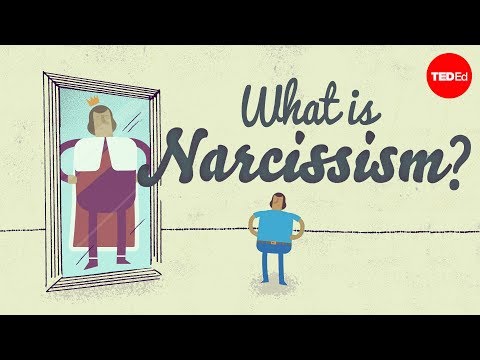
Alright, let’s talk about something that’s been buzzing around lately—narcissism in teenage guys.
You know the type, right? The ones who seem to think the world revolves around them. It’s like their ego has its own Instagram account with way too many followers.
But seriously, there’s a lot more to it than just being self-absorbed. This stuff actually roots down into some psychology that’s kinda interesting.
So, if you’ve ever scratched your head wondering why some teen boys act like they’re the main character in a movie—stick around. We’re diving into why this happens and what it all means for them and everyone around them.
Understanding Narcissistic Tendencies in Teenagers: Causes, Signs, and Effects
Narcissistic tendencies in teenagers, especially guys, can be a tricky topic. You see, it’s not just about someone thinking they’re the greatest thing since sliced bread. There’s often a web of causes and signs you need to consider. Let’s break it down in a way that makes sense.
First off, what causes narcissism in teens? It often starts with a mix of genetics and environment. Some kids might have a family history of narcissism or overvaluation. This means their folks may emphasize achievement too much or shower them with praise without any real basis. Picture this: a kid who gets an award for every tiny accomplishment might start to believe he’s special—like, “Hey, I’m basically untouchable!”
Then there’s social media. Wow, right? We’ve created an environment where likes and followers can dictate self-worth. If a teen gets tons of likes on a selfie but hardly anyone comments on their school project, they might start to think looks are everything. It creates this weird pressure to maintain that image.
Now let’s talk about some signs. It can show up in different ways:
- Excessive bragging.
- Lack of empathy towards others.
- A tendency to belittle peers to feel superior.
- Overreacting to criticism.
- The need for constant admiration.
For instance, imagine Joey in school who always needs the spotlight on him. If he doesn’t get recognized during sports day, he flips out! Instead of understanding that team effort matters, he thinks he should be treated like the star player regardless of how well he performed.
Then there are the effects of these tendencies. They can create rifts in friendships and family dynamics. Friends might get tired of someone always making it about them. And if they feel constantly judged or overshadowed by this behavior? Ouch! Over time, it could lead to loneliness when genuine connections slip away.
And hey—the pressure doesn’t just affect relationships; it also impacts mental health! Teens might face anxiety or depression when their inflated self-image comes crashing down after real life hits hard. The whole “I’m perfect” facade can’t hold up forever!
Understanding narcissistic tendencies is super important for helping these teens navigate their emotional worlds better. More than pointing fingers at the symptoms, looking at the root causes allows us to offer genuine support and guidance so they can grow into more balanced individuals.
So yeah, while some level of confidence is great—it becomes concerning when it crosses into narcissism territory. Recognizing these signs early on can make all the difference!
Understanding Narcissism: The Age for Diagnosis and Key Signs to Look For
So, let’s talk about narcissism. It’s one of those terms that gets tossed around a lot. You know, people might call someone “narcissistic” when they’re just a little self-absorbed or really into their social media. But the reality is way more complex, especially when it comes to teenagers, particularly boys.
First off, narcissism is part of a larger picture known as Narcissistic Personality Disorder (NPD). It’s not just about being vain or self-centered; it involves a specific pattern of behavior and traits that can really impact someone’s life and relationships. And hey, diagnosing it isn’t as simple as flipping a coin either.
A key point to remember is that adolescence is a time of exploration and identity formation. It’s normal for teens to exhibit some narcissistic traits as they figure out who they are. However, when these traits become persistent and interfere with their daily life, that’s when things get tricky.
So here are some key signs to look out for in teenage boys:
Now, consider this: imagine a teenager who craves attention so much that he constantly posts about his achievements on social media but can’t understand why his friends are upset when he doesn’t reciprocate support during tough times. This could indicate that he’s leaning toward those narcissistic tendencies.
Another important note is the age factor—diagnosing NPD usually occurs in late teens or early adulthood because personalities are still developing during the teenage years. But professionals can spot warning signs earlier on.
When diving into this topic, you might wonder why understanding narcissism in teenage males specifically matters. Well, boys often face societal pressures to display confidence and achieve success. This can lead them down unhealthy paths where they overcompensate with narcissistic behaviors rather than developing genuine self-esteem and emotional resilience.
It’s worth mentioning too that while narcissism can seem like an individual problem, it’s also shaped by broader factors like upbringing and culture. Parents or guardians play a huge role in how these traits develop—those who constantly praise without setting boundaries may unwittingly encourage these behaviors.
Honestly speaking, navigating this territory can be tough for both the teen and those around him. If you notice consistent patterns of behavior that align with what I’ve pointed out here over time? It might be worth chatting with a mental health professional who specializes in adolescent psychology.
Recognizing these signs early on can lead to healthier relationships down the line—not just for them but also for everyone involved. Understanding narcissism isn’t just about labeling people; it’s about compassionately helping guide them toward better emotional health and interpersonal skills.
So yeah, that’s the scoop! Understanding these behaviors isn’t just academic; it has real-life implications for how we support our teenagers growing up in this wild world we live in.
Uncovering the Root Causes of Narcissism in Men: Insights and Understanding
Narcissism can be a tricky thing to understand, especially when it comes to teenage guys. You might notice some young males displaying that *look-at-me* attitude or constantly seeking validation. There’s often more beneath the surface, though. So, let’s peel back the layers and look at the possible reasons for this behavior.
First off, **early experiences** play a massive role in shaping personality. If a boy grows up in an environment where he’s constantly praised, he might develop an inflated sense of self-worth. For example, imagine a kid who always gets told he’s «the best» without any constructive criticism. Over time, this can lead him to believe that he’s superior to others.
On the flip side, **overly critical upbringing** can also create narcissistic traits. If boys face harsh judgment from parents or peers, they might develop a defense mechanism. They compensate by putting on a show of confidence and arrogance to mask their insecurities. It’s like building up a wall to keep out any feelings of inadequacy.
Next up is **social media**, which isn’t really helping the situation. Today’s teenagers are growing up with platforms that reward attention-seeking behavior. The pressure to look perfect online can lead them into a cycle of needing likes and validation from others daily. If you think about it, scrolling through feeds filled with «perfect» lives definitely messes with self-esteem.
Also, there’s peer pressure—like how guys often feel they need to act tough or show off their achievements to fit in or get attention from girls. It’s like a performance they think they have to put on; ever heard someone say «fake it till you make it»? That mentality can fuel narcissistic behaviors as they try hard to impress their circles.
Another significant factor is **cultural influences** as well. In certain environments where success is highly valued over kindness—think competitive sports or certain schools—boys may pick up on cues that being assertive (or even aggressive) equals success. So instead of promoting relationship-building skills or empathy, they lean into boasting and self-centeredness.
Lastly, don’t forget about genetics! There might be some biological elements at play too; research shows personality traits can sometimes run in families. If someone has relatives who exhibit narcissistic tendencies, there’s a chance these traits could pop up as well.
In summary:
- Early experiences: praise vs. criticism shapes views.
- Social media: platforms encouraging attention-seeking behaviors.
- Peer pressure: acting tough or seeking validation.
- Cultural influences: environments focusing on success over empathy.
- Genetics: personality traits may run in families.
So there you have it! Narcissism isn’t just one thing; it’s like this complex puzzle made up of various pieces in each guy’s life story. Understanding all these layers could help us approach these behaviors with more compassion rather than just judgment.
You know, when we chat about narcissism, a lot of us might picture that person in the mirror, admiring their own reflection. But when it comes to teenage males, it’s a whole different ball game. Like, think back to your high school days—there were always those guys who seemed to grab the spotlight and bask in it. But was it all confidence? Or maybe something else going on beneath the surface?
Narcissism isn’t just about being self-absorbed; it’s like this tangled mess of self-esteem issues and a need for validation. A buddy of mine from high school—let’s call him Jake—was all about himself. He’d flex his social media likes like they were trophies. But deep down? I think he was just trying to numb some insecurities. Maybe he felt pressure to be the best or feared being overshadowed.
So what’s causing this rise in narcissistic traits among teenage guys? Well, some experts point fingers at social media. You know how everyone’s posting their fabulous lives online? It can mess with how teens see themselves and others. Likes and followers can feel like currency these days, pushing some to prioritize that over genuine connections.
It’s interesting though; narcissism can look different from one kid to another. Some are loud and proud while others might take a quieter approach but still crave attention in their own way. It’s kind of like peeking behind a curtain—you see all these layers, and it’s super complex.
On the flip side, not all self-love is bad! There’s healthy self-esteem that helps you stand tall and be confident without stepping on anyone else’s toes. It gets tricky when that love turns into an obsession with image or status—and that’s where we run into trouble.
Navigating this stuff as parents or mentors isn’t easy either. You want to support them but also guide them toward understanding others and building real friendships instead of just collecting likes or followers.
So yeah, when you’re thinking about teenage boys and narcissism, remember it’s not just black-and-white. There are shades of gray everywhere you look—each kid is figuring out who they are amidst a world that keeps throwing distractions at them. And maybe that’s the hardest part: finding that balance between confidence and compassion in today’s crazy landscape.