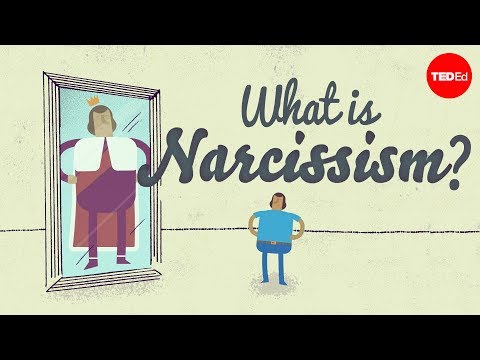
So, let’s talk about narcissism. It’s one of those terms we throw around a lot, right? You know, calling someone self-absorbed or vain. But there’s actually a whole lot more to it. Narcissistic Behavior Disorder is like a complex puzzle filled with emotional chaos.
Ever met someone who always needs to be the center of attention? Like, they just can’t help but turn every conversation back to themselves? That can be exhausting. It’s not just annoying; it can seriously mess with how people connect with others.
This stuff runs deep—way deeper than just being a bit full of yourself. It shapes relationships and leaves emotional scars, both for the narcissist and the ones they impact. So, let’s unpack this together! You in?
Understanding the Mental Impact of Narcissistic Behavior: How Narcissists Affect Your Mind
Alright, let’s chat about narcissistic behavior and how it can mess with your head. Seriously, dealing with a narcissist can feel like you’re on a relentless emotional rollercoaster. Their actions aren’t just annoying; they can leave serious scars on your mental health.
Narcissistic Personality Disorder isn’t just a trendy term to toss around—it’s a real thing that affects how someone relates to the world and to other people. Yeah, it usually means they have an inflated sense of self-importance, lack empathy, and need constant admiration. So, how does this affect you if you’re in their orbit? Let’s break it down.
1. Emotional Drainage: Being around a narcissist often feels like you’re giving more than you get back. They tend to hog all the attention while leaving you feeling ignored or belittled. You might find yourself walking on eggshells just to keep the peace. It’s exhausting!
2. Gaslighting Galore: They have this charming way of twisting reality that makes you doubt your own feelings or perceptions—a classic tactic called gaslighting. Imagine sharing your feelings, only for them to respond with, “You’re being too sensitive” or “That never happened.” Over time, this can seriously warp your sense of self.
3. Constant Comparison: Narcissists love to put others down while elevating themselves. This habit can create an unhealthy environment where you constantly compare yourself and start believing you’re less than they are—like in every possible way! It chips away at your self-esteem before you even realize it.
4. Fear of Abandonment: If you’re close with someone who has narcissistic traits, there might be a looming fear that they’ll cut ties when they don’t get what they want from you anymore. This fear can trap you in a toxic cycle of trying harder and harder—thinking that maybe if you’re perfect enough, they’ll stay.
5. Isolation from Support: Narcissists might also try to isolate you from friends and family so that your world revolves around them just like their egos do! You may begin feeling alone or cut off from genuine relationships while trying to navigate the chaos.
So yeah, the impact can be profound, creating anxiety and depression in those close to them—not exactly what anyone wants for their mental health!
And here’s something super important: Healing is possible! Recognizing what’s going on is the first step towards reclaiming your peace of mind. Finding supportive friends or talking with a therapist can help rebuild your confidence and self-worth.
In essence, being near someone who exhibits narcissistic behavior isn’t merely annoying; it’s genuinely harmful over time if unchecked. Remember—your mental health matters just as much as anyone else’s!
Understanding Narcissism: 12 Key Traits That Define a Narcissist
Narcissism can feel like one of those heavy topics that just keeps coming up. You’ve probably heard someone call another person a narcissist, but what does that really mean? So, let’s break it down together.
When we talk about Narcissistic Personality Disorder (NPD), we’re looking at a pattern of behavior that affects how a person thinks, feels, and interacts with others. It’s not just about being self-absorbed; it goes way deeper than that.
Here are some key traits that can help you identify narcissistic behavior:
- Grandiosity: Narcissists often have an inflated sense of their own importance. They might think they’re better than everyone else, like they’re on a pedestal.
- Need for admiration: They crave attention and praise all the time. You know those folks who always have to be in the spotlight? Yeah, that’s them.
- Lack of empathy: This is huge! Narcissists struggle to understand or care about other people’s feelings. Imagine having a friend who just doesn’t get why you’re upset after losing your job—they’re too wrapped up in their own stuff.
- Entitlement: They often believe they deserve special treatment. Ever met someone who thinks rules don’t apply to them? That’s classic narcissism.
- Exploitative behavior: Narcissists may take advantage of others to achieve their own goals. Think of it as climbing the social ladder without caring whose hands you step on!
- Arrogant attitude: They can be condescending and dismissive toward others, acting superior in conversations or situations.
- Difficulty maintaining relationships: Because they are so self-focused, their relationships often suffer—they might push people away or cause a lot of drama.
- Fragile self-esteem: Despite the grandiosity, many narcissists actually have low self-esteem beneath the surface. It’s like they’re constantly seeking validation to keep themselves afloat.
- Fantasy world: They might dwell on unrealistic dreams of success or power—like they’re destined for greatness without putting in any real work.
- Lack of accountability: If something goes wrong, it’s usually someone else’s fault. Owning up isn’t really in their playbook.
- Sensitivity to criticism: Although they act all tough, any hint of criticism can send them into a tailspin. It’s wild how one little comment can ruin their day!
- Obsessive focus on appearance: Many narcissists pay extreme attention to how they look and what others think about their image. I mean, we’ve all seen those Instagram profiles where everything seems perfect—this can be part of it.
Now that we’ve covered traits, let’s touch on the psychological impact this behavior has—not just on the narcissist but also on those around them. Living with or being close to someone with NPD can make you feel drained or manipulated. It’s tough when your feelings seem invisible.
Imagine being friends with someone who never asks how your day was but always talks about *their* achievements—that gets old quick! Over time, this dynamic can lead to strained relationships and even mental health struggles for you as well.
So there ya go! A rundown on narcissism that cuts through the noise. It’s definitely a complicated subject but knowing these traits helps shed light on behaviors that can sometimes feel confusing or overwhelming.
Effective Treatment Options for Overcoming Narcissistic Personality Disorder
Narcissistic Personality Disorder (NPD) can be a tough cookie to crack, both for those who struggle with it and for the people around them. It’s not just about someone being self-absorbed or craving attention; it’s a complex condition that messes with how someone sees themselves and interacts with others. But, you know, understanding the treatment options can really help in making strides toward healing.
First off, one of the most effective ways to tackle NPD is through psychotherapy, often referred to as talk therapy. This provides a safe space where individuals can explore their feelings and behaviors. Here’s where things get real: therapy isn’t always smooth sailing. The process can be uncomfortable because it involves facing deeply rooted insecurities and vulnerabilities. It’s like pulling at a loose thread on your sweater—once you start, it might unravel more than you expected!
Within psychotherapy, there are different approaches that can be helpful:
Now, therapy is just one piece of the puzzle. Medications aren’t specifically designed to treat NPD, but sometimes they help manage symptoms like anxiety or depression that might come along for the ride. Think of medication as assisting tools while dealing with the underlying issues.
Here’s an example: let’s say there’s someone named Tom who has NPD. He might struggle with feeling empty or insecure even though he appears confident on the outside. With therapy, Tom learns about his emotions—like why he often feels jealous when others succeed—and starts finding healthier ways to cope instead of reacting negatively.
Also important is self-help strategies. These strategies could range from mindfulness practices—like meditation or journaling—to things like reading books about emotional intelligence or empathy development. They’re like little nuggets of wisdom you collect over time; each bit adds up!
And look, support from friends and family plays a huge role too! Creating an environment where open communication is encouraged can help those struggling feel less isolated in their journey.
In wrapping this up, overcoming narcissistic behaviors isn’t something that happens overnight—it takes time! But with dedicated effort through therapy, self-awareness practices, and support from loved ones, it’s totally possible to foster healthier relationships and improve emotional well-being.
So remember: It’s all about taking those first steps toward change! Each step counts—even when they’re small ones!
You know, narcissistic behavior disorder—or narcissistic personality disorder (NPD), if you wanna get technical—can really mess with people’s lives. It’s one of those things where the person might seem super confident and charming on the outside, but underneath, they often struggle with deep insecurities. Imagine being in a relationship with someone who’s always putting themselves first, right? It can feel draining.
I remember a friend of mine who dated someone like this. At first, everything seemed perfect; he was charismatic and full of stories about his achievements. But over time, I saw her suffering from his lack of empathy. She’d share something important to her, and he’d just flip the conversation back to himself like it was an automatic reflex. It was heartbreaking to watch her slowly lose her spark.
The thing is, someone with NPD might not even realize how their behavior affects others. They often have this inflated sense of self-importance and need for constant admiration that makes it hard for them to connect meaningfully with people around them. You can’t really build a solid relationship when one person is always in the limelight while the other’s feelings are left in the shadows.
And what happens is that those close to them can end up feeling frustrated or even worthless because they’re constantly compared or belittled. It creates this toxic dynamic where emotional needs go unmet, leading to anxiety or depression for the person being affected.
Coping with someone who has narcissistic traits can feel like walking on eggshells—not fun at all! You start questioning your perceptions and worth because their reality is so skewed by their self-centered view. Seriously, it takes a toll on your mental health.
That said, understanding these behaviors is key. Once you recognize what’s going on, it’s easier to set boundaries or even decide if this relationship is worth maintaining at all. And sometimes getting help from a therapist can make a world of difference for those impacted by narcissism in their lives; it’s all about reclaiming your space and taking care of yourself.
So yeah, navigating relationships where there’s narcissistic behavior involved isn’t easy—and it shouldn’t be underestimated how deeply it can impact your emotions and well-being.