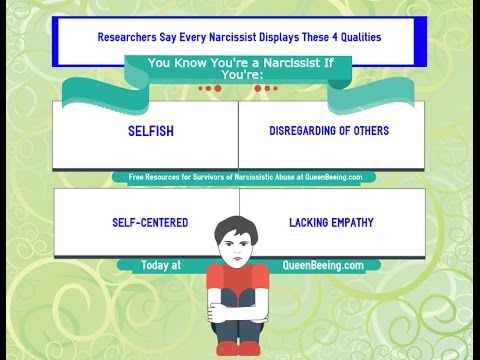
So, you know how sometimes people can be really into themselves? Like, they think they’re the best thing since sliced bread? Well, there’s actually a clinical term for that: narcissism.
But it’s not just about being a little self-absorbed. There’s a whole diagnosis involved when it comes to clinical psychology. Crazy, right?
Imagine someone who needs constant admiration and has a hard time seeing things from other people’s perspectives. It can get pretty wild!
In this chat, we’re gonna break down what makes someone fit that narcissistic mold. You’re gonna want to stick around for this one!
Understanding the DSM-5 Criteria for Narcissistic Personality Disorder: Key Insights and Implications
Understanding Narcissistic Personality Disorder (NPD) can feel a bit like peeling an onion. There are layers and layers to sift through, and sometimes it might bring up emotions. NPD is one of those personality disorders that most people have heard about, but its seriousness often gets misunderstood. Let’s break down the **DSM-5 criteria** for diagnosing it, so you can get a clearer picture.
To be diagnosed with **Narcissistic Personality Disorder**, a person typically needs to meet five or more of the following criteria:
- Grandiosity: This means they have an inflated sense of self-importance. They often brag about their achievements and believe they’re superior to others.
- Need for admiration: These individuals crave constant praise and validation from others.
- Lack of empathy: They struggle to recognize or care about other people’s feelings. It’s all about them.
- Sense of entitlement: They expect special treatment or compliance with their demands, often without considering others’ needs.
- Exploitation: Narcissists might take advantage of others to achieve their own goals without feeling guilty.
- Fantasies of unlimited success: Many live in a dream world where they’re powerful, attractive, or very successful.
- Believing they are unique: They think they can only be understood by other high-status people or institutions.
- Arrogance: This manifests as haughty behaviors or attitudes towards others.
These traits can seriously affect relationships. People dealing with someone who has NPD might find themselves feeling drained or used over time. It can be tough because the narcissist may charm you at first; then suddenly, you’re left questioning your worth.
Let’s say you know someone who constantly talks about themselves and brushes off your achievements like they’re nothing. You’ve shared something important, but they change the topic back to their favorite subject—themselves! That lack of interest in what you feel? Classic narcissism.
But here’s an important point: not everyone who exhibits some traits is a narcissist. It’s more complex than that! NPD affects how someone thinks, feels, and interacts with the world around them.
Diagnosing someone isn’t just about checking boxes on a list; it actually involves seeing how these traits impact someone’s life over time. Clusters of symptoms need context—like how these behaviors impair work performance or cause issues in personal relationships.
For example, if someone has been fired multiple times because they can’t accept feedback or working as part of a team due to their overwhelming need for admiration, it might indicate deeper issues.
Now let’s talk implications: understanding NPD isn’t just academic—it matters for how we help ourselves and others facing these challenges. Therapies could focus on building empathy skills, improving relationships, and even helping those affected set healthy boundaries when dealing with high-conflict individuals.
Recognizing NPD’s criteria shines light on these behaviors and can help friends or family understand why someone acts the way they do—gaining empathy for both sides is key! Having this awareness can empower not only those with the disorder but also those around them.
So yeah, while **Narcissistic Personality Disorder** sounds intimidating at first glance, breaking it down into pieces helps demystify it. Understanding these nuances not only increases compassion but also supports healthier interactions among us all—because at the end of the day we’re all just trying to navigate this wild ride called life together!
Understanding Narcissistic Personality Disorder: The 9 Key Criteria Explained
Narcissistic Personality Disorder (NPD) can feel a bit like stepping into a world where everything revolves around one person’s ego. Understanding it is key if you’re trying to work through relationships with narcissists or even just trying to make sense of the term. So, let’s break down the criteria in a straightforward way.
1. Grandiosity
This is like living in an inflated bubble where nothing but their own accomplishments and importance matter. They often believe they’re superior and can only be understood by other special people or institutions. It’s not just confidence; it’s more of an extreme self-importance.
2. Preoccupation with fantasies
People with NPD might spend a lot of time daydreaming about unlimited success, beauty, or power. For instance, they might think about getting rich or famous without really putting in the work to get there.
3. Believing they are special
They often see themselves as unique and expect others to recognize that. You know someone who acts like they deserve the VIP treatment everywhere? That’s classic NPD behavior.
4. Needing excessive admiration
A constant craving for compliments and recognition? That’s pretty typical for narcissus types! They thrive on being admired, sometimes even at the expense of others’ feelings—like fishing for praise no matter what.
5. Sense of entitlement
Feelings of entitlement can lead them to expect special favors or compliance without question from others. It’s as if they believe rules simply don’t apply to them—think about someone who always cuts in line because they think they deserve priority.
6. Being exploitative
They might take advantage of others to achieve their own ends without feeling guilty about it. Using friends for personal gain? Yep, that could be part of the picture here!
7. Lacking empathy
Empathy isn’t just lacking; it’s like they’ve got a shield up against understanding how others feel, which makes meaningful connections really hard to maintain. Imagine talking about your bad day while they completely zone out—classic sign!
8. Often envious
Narcissists tend to envy others who have what they want while believing that those folks are envious of them too! It’s this weird, twisted perspective that clouds so much interaction.
9. Showing arrogant behaviors
They might act haughty or display snobbish attitudes when interacting with people they deem beneath them, which feels uncomfortable if you’re on the receiving end.
Bringing all this together helps frame how complex Narcissistic Personality Disorder can be—and why it often leads to chaotic relationships and misunderstandings in both personal and work lives. While some signs may seem harmless at first glance, you start getting into deeper territory when these traits become persistent and damaging over time.
Just remember: when dealing with someone who fits these criteria, boundaries are super important! Protecting yourself while trying to decipher their behavior will make life a little bit easier—and hey, knowing what you’re dealing with is always a win!
Understanding Clinically Diagnosed Narcissism: Key Traits and Insights
Narcissism is a term we throw around a lot, but when it comes to clinical diagnosis, it’s a bit more nuanced. Let’s break it down together. When psychologists talk about narcissism, they’re often referring to **Narcissistic Personality Disorder (NPD)**. This isn’t just having a big ego or being self-centered; it’s a serious condition that can impact relationships and daily functioning.
So what does it mean to get diagnosed with NPD? There are some key traits that professionals look for, as set out in the **Diagnostic and Statistical Manual of Mental Disorders (DSM-5)**. Basically, you need to meet at least five of the following criteria:
- Grandiosity: An exaggerated sense of self-importance and belief that they are special or unique.
- Need for admiration: A constant craving for attention and affirmation from others.
- Lack of empathy: Difficulty recognizing or caring about the feelings and needs of others.
- Entitlement: Expecting special treatment without being able to reciprocate.
- Exploitation: Taking advantage of others to achieve their own goals.
- Envy: Often feeling envious of others or believing others are envious of them.
- Arrogant behaviors: Displaying haughty behaviors or attitudes towards others.
Let’s put this in more relatable terms. Imagine someone who walks into a room like they own the place—like they’re the star in everyone’s show. They might dominate conversations, shift the focus back to themselves constantly, and interrupt you when you try to share your own experiences. You might feel drained after talking with them, wondering if your thoughts even mattered.
Take my friend Sarah, for example. She had this coworker named Mike who was always bragging about his achievements while downplaying everyone else’s contributions. If anyone else got recognition for their work, Mike would either belittle it or find a way to make it about him. Sarah felt invisible around him, like her hard work was just background noise in his personal highlight reel.
The tricky part is that those with NPD can be charming too—at least at first! They might seem magnetic because they often know how to turn on the charm. That makes it easy to overlook their less pleasant traits until you’re deeply entrenched in the relationship.
But here’s something important: not everyone who has narcissistic traits has NPD. Traits can exist on a spectrum; some people might just be selfish or insecure without meeting all the criteria for this disorder.
Diagnosis usually involves interviews with mental health professionals who gather info from different sources—like family members or friends—about behavior patterns over time. It’s not like you just walk into an office and say “I’m narcissistic!” and boom—you get labeled.
In short, understanding clinically diagnosed narcissism means grasping how these traits impact not just individuals but also those around them. It helps shed light on why certain interactions can feel so heavy and one-sided. And remember: if you’re dealing with someone exhibiting these traits—or if you’re worried about yourself—it’s totally okay to seek help from a pro!
Alright, so let’s chat about narcissistic personality disorder. You know, it’s one of those topics that can get pretty heavy, but it’s also super fascinating. Like, we’ve all heard that word «narcissist» tossed around a lot these days, right? But when it comes to actually diagnosing someone with narcissistic personality disorder (NPD) in clinical psychology, there’s a bit more to it than just calling someone self-centered.
To get into the nitty-gritty of it, mental health professionals use certain criteria from the DSM-5—the Diagnostic and Statistical Manual of Mental Disorders. This is pretty much the go-to guide for any mental health diagnosis. If someone is gonna be diagnosed with NPD, they need to meet at least five specific traits out of a list.
These traits include things like having an exaggerated sense of self-importance or constantly needing admiration from others. Imagine sitting across from someone who seems to think they’re the star player in every single game—like everything revolves around them. They might also have a real lack of empathy, which means they struggle to recognize or care about how other people feel. Picture trying to share your tough day with them only for them to turn it into a story about their own life instead—you feel me?
Now, I remember this one time when a friend was dating this guy who ticked just about every box on that list. He had this magnetic charm that drew you in at first, but then you’d notice he would dominate conversations and never acknowledge her feelings. She’d come home feeling drained after spending time with him.
What’s tricky here is that many people can show traits of narcissism without being full-blown narcissists; we’re all human after all! And not everyone with a big ego has NPD. The thing is, when these traits start affecting relationships and day-to-day life—like if someone’s unable to maintain friendships or treat people well—that’s when you gotta take a more serious look at what’s going on.
So yeah, understanding the diagnostic criteria helps unravel this complex personality style while also reminding us that not every loud voice in the room is necessarily a bad person—they might just have some growing up to do emotionally! It’s all about context and depth rather than just slapping labels on folks without knowing their full stories.
Anyway, that’s a little peek into how clinical psychology approaches narcissism—it’s layered and often quite intricate!