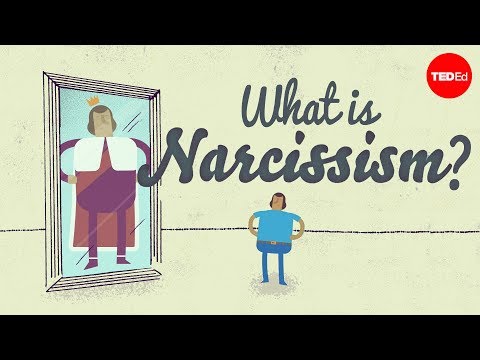
You know, narcissism is one of those words you hear tossed around a lot. Someone acts selfishly? “Ugh, they’re so narcissistic!” But it’s not just about being self-absorbed or wanting to look good in a selfie.
There’s way more to it. Some people actually struggle with Narcissistic Personality Disorder, and it really messes with how they see the world and connect with others.
I once knew someone like that—charismatic on the outside, but deep down? It was a whole other story. They craved attention but seemed genuinely lost when things didn’t go their way.
Let’s unpack this whole thing together. What does it really mean to have narcissistic traits? And how does it play out in real life? It’s an interesting ride, so buckle up!
Effective Strategies for Coping with Narcissistic Personality Disorder in Relationships
Dealing with someone who has a narcissistic personality disorder (NPD) can be, well, really challenging. It’s like trying to navigate a crazy maze where the rules keep changing. So, let’s break down some effective strategies that might help you cope in these kinds of relationships.
Know What NPD Is
Narcissistic personality disorder is like having an inflated sense of self-importance. People with NPD often crave admiration and struggle with empathy. It’s not just about being vain; it’s deeper. They often feel superior to others and think they deserve special treatment.
Set Boundaries
This is *huge*. Boundaries are your safety net. You’ll want to communicate clearly what behaviors you won’t tolerate. For example, if they constantly interrupt or belittle you, politely let them know that it’s unacceptable and you need them to stop.
Don’t Take It Personally
Practice Self-Care
This one’s essential! You can’t pour from an empty cup, right? Make sure you’re taking time for yourself—whether that’s spending time with friends who lift you up or diving into activities that bring you joy. Keep your mental health in check!
Limit Emotional Involvement
Seek Support
Avoid Engaging in Arguments
KNow When to Walk Away
Navigating a relationship involving narcissistic traits takes time and practice—it won’t happen overnight! But arming yourself with these strategies can make the route feel a bit more manageable.
Effective Strategies for Encouraging Positive Change in Narcissistic Behavior
So, let’s talk about narcissism for a moment. Narcissistic Personality Disorder, or NPD for short, isn’t just folks being self-absorbed; it’s like a whole pattern of behavior that can mess things up not just for them but also for everyone around them. I mean, imagine living with someone who thinks the world revolves around them. It can be exhausting, right?
Encouraging positive change in narcissistic behavior isn’t easy. Seriously, it requires patience and some solid strategies. The thing is, people with narcissistic traits often don’t really see themselves accurately. They might think they’re totally fine or that everyone else is the issue. But here are a few ways to approach this complex situation:
- Set Boundaries: This is crucial! You’ve gotta protect your own emotional space. If you’re dealing with someone who’s got narcissistic tendencies, being clear about your limits can help them understand that their actions have consequences.
- Use “I” Statements: When talking to someone with narcissistic behavior, framing things with “I” statements can make a huge difference. For example, instead of saying, «You never think about anyone else,» you might say, «I feel overlooked when our conversations only focus on your experiences.» This keeps the focus on how their actions affect you rather than sounding accusatory.
- Acknowledge Their Feelings: While it sounds counterintuitive, giving validation—without feeding their ego—can be helpful. If they express frustration or hurt about something (even if it seems trivial), acknowledging those feelings can sometimes lower defenses and open up communication.
- Encourage Self-Reflection: Gently prompt them to question their behaviors without being confrontational. Like saying something such as “Have you thought about how that might come across?” Sometimes planting that seed helps them reflect on their actions.
- Focus on Empathy: Encouraging empathy is key! Simple exercises like discussing other people’s feelings in hypothetical situations can be enlightening. It could be as simple as asking how they think someone would feel in a particular scenario you’ve both encountered.
It’s kind of like when my friend Alex was struggling with his tendency to always make everything about him during our hangouts. At first, I was frustrated and kept shutting down his stories which only made him more defensive. Eventually though, I started applying some of these strategies—especially setting boundaries—but also throwing in some conversations where I’d ask him how he thought other people felt during certain events we were discussing.
Over time, he began to see things differently and took small steps toward understanding others better. It wasn’t an overnight transformation; it took time and patience!
Remember though: trying to encourage change in someone who shows signs of NPD can often feel like hitting your head against a wall sometimes. So take care of yourself too while navigating this road!
Understanding Narcissistic Personality Disorder: Download the DSM-5 PDF Guide
Understanding Narcissistic Personality Disorder (NPD) is no small feat. It’s one of those topics that can feel a bit heavy, but breaking it down makes it easier to digest. So, here we go!
Narcissistic Personality Disorder is basically when someone has an inflated sense of their own importance, a deep need for excessive attention and admiration, and a lack of empathy for others. You know how some people just can’t stop talking about themselves? Well, that can be a big red flag.
People with NPD often exhibit certain patterns in their behavior. Here are some key traits:
- Grandiosity: They may constantly brag about their achievements and talents.
- Need for Admiration: They thrive on compliments and praise, often feeling upset if they don’t get it.
- Lack of Empathy: It’s hard for them to recognize or care about other people’s feelings.
- Entitlement: They often expect special treatment from others.
- Exploitation: Relationships might feel one-sided since they tend to take advantage of others to get what they want.
Now let’s chat about the emotional side for a sec. Imagine having a friend who only talks about themselves, never asks you how you’re doing, and kinda brushes off your successes as not that big of a deal. Frustrating, right? That’s what it can feel like dealing with someone who has narcissistic tendencies.
The reasons behind NPD aren’t crystal clear. Some experts think it’s a mix of genetics and environmental factors – like how someone was raised or experiences in childhood. Sometimes people with NPD have had parents who were overly critical or excessively pampering them.
Diagnosis typically involves mental health professionals looking at the symptoms outlined in the DSM-5, which is like the go-to manual for diagnosing mental disorders in the U.S. Although I can’t provide the DSM-5 PDF itself, I seriously recommend checking out your local library or course materials if you’re interested in more detailed criteria.
Treatment isn’t easy either. Therapy can help individuals develop healthier ways of relating to others and manage their symptoms over time. But change doesn’t happen overnight—you follow me? It takes commitment.
So there you have it! NPD might be complex, but understanding its core features can help clarify why some folks behave the way they do. It’s all about looking at these patterns without judgment—just trying to make sense of human behavior!
Narcissistic Personality Disorder, or NPD for short, is one of those things that can seem really baffling. I mean, when you think about it, it’s kind of wild how some people can have such an inflated sense of self-importance. They often come off as confident—almost to a fault. But there’s more to the story than just being self-absorbed.
So, picture this: You’re at a party, and there’s that one person who just hogs the spotlight. They’re constantly talking about their achievements and pretty much ignoring anyone else in the room. It feels like they think everyone else is just there to listen to them and validate their greatness. That can be annoying, right? But when you dig a little deeper, you realize that underneath all that bravado might be someone who’s really insecure.
People with NPD often have this grandiose view of themselves, which can make it hard for them to connect with others on a meaningful level. They might seem charming at first but then quickly switch gears if someone challenges them or doesn’t give them enough attention. It’s like they can’t handle anything less than total admiration.
The psychological meaning behind narcissism usually ties back to early experiences and emotional needs that weren’t met. Like, maybe they didn’t get enough support or validation as kids. So now they’re overcompensating by creating this larger-than-life persona. But here’s the kicker: even though they act like they’re better than everyone else, deep down, many struggle with feelings of emptiness or inadequacy.
It’s kind of heartbreaking when you think about it. I remember talking to a friend a while back who had a boss with some serious narcissistic traits. At first glance, he seemed invincible—always getting recognition and praise from higher-ups. But behind closed doors? He was often anxious and paranoid about losing his position because he felt like an imposter the whole time.
Navigating relationships with someone who has NPD can be exhausting and confusing too. You might find yourself questioning your worth constantly because they thrive on making others feel small while puffing themselves up even more.
In reality, understanding narcissism—even if it’s frustrating—can help us develop empathy for those caught up in it. They may not realize how their behavior affects others or may struggle to change it due to their own insecurities tied up in this complicated web of personality traits.
So yeah, narcissism is way more layered than just being selfish or vain; it’s like peeling back an onion where each layer reveals something sadder underneath all that glamorized exterior.