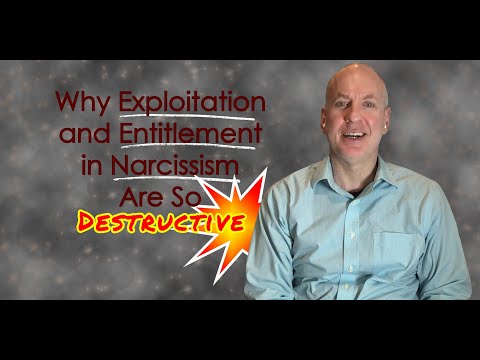
You know how some people just can’t seem to take a hint? Like, they always think the world revolves around them.
That’s kinda what we’re talking about here. It’s called Narcissistic Entitlement Syndrome. Sounds heavy, right? But it’s really just a way to describe that mindset where someone feels they deserve special treatment.
Ever had that friend who thinks they’re the star of every show? They want all the attention and never really consider anyone else’s feelings. It’s frustrating, honestly.
So, let’s break it down, chat about what it means, and why it matters in mental health discussions today. Because there’s a lot more to this than meets the eye!
Understanding DSM-5 Criteria for Narcissistic Personality Disorder: A Comprehensive Guide
Narcissistic Personality Disorder (NPD) is one of those things that sounds much worse than it often is. If you’ve ever dealt with a person who seems to think they’re the center of the universe, you’ve probably come across this term. But what does it really mean? Let’s break it down, shall we?
The DSM-5, which is basically a clinic’s go-to manual for mental health professionals, outlines a set of criteria for diagnosing NPD. So, what does that look like? Here are some key points to consider:
- Grandiosity: This is about having an inflated sense of self-importance. You know those folks who brag way too much or exaggerate their achievements? Yup, that’s part of it.
- Need for Admiration: Ever met someone who craves praise like a plant craves sunlight? They might have NPD if they need constant validation from others.
- Lack of Empathy: This someone might struggle to understand or care about other people’s feelings. Imagine talking to a friend who’s always one-upping your stories instead of listening—that’s the vibe.
- Entitlement: Narcissistic entitlement can feel like they believe they’re special and deserve everything—preferential treatment, unlimited resources, the works!
- Exploitativeness: These folks may take advantage of others to reach their own goals without feeling guilty about it.
- Arrogant Behaviors: Ever seen someone act super condescending? If they think they’re better than everyone else and showcase that attitude regularly, it might raise some eyebrows.
Now, you might be thinking: «Okay, but how do these traits actually show up in real life?» Picture this: You’re having dinner with friends and one person constantly steers conversations back to them or disregards your own experiences because they’re just not as «important.» That’s classic narcissism coming through.
The thing is, not everyone who has some narcissistic traits has NPD. For diagnosis, these patterns have to affect daily functioning significantly and show up in various contexts over time.
So why does this matter in mental health discussions? Well, addressing Narcissistic Entitlement Syndrome, as it’s sometimes called in conversations about mental health today, helps us understand how certain attitudes can impact relationships and society at large. It can shape power dynamics at work or even influence how people engage in friendships.
In sum, grappling with NPD requires understanding these criteria from the DSM-5. It sheds light on why some people behave the way they do and helps frame conversations around empathy and support for healthier interactions.
If you ever find yourself tangled up with someone like this—remember: it’s not necessarily easy for them either!
Exploring the Link Between Mental Illness and Feelings of Entitlement: Causes and Insights
The link between mental illness and feelings of entitlement is a complex issue. When we talk about *Narcissistic Entitlement Syndrome*, we’re diving into how some mental health conditions can warp our perceptions of what we deserve. It’s like wearing glasses that distort reality. Instead of seeing things as they are, you might see yourself as the main character in a story where everyone else is just a supporting role.
First off, let’s unpack what **entitlement** actually means. It’s that feeling where you believe you deserve special treatment or privileges, regardless of the situation. You know those moments when someone feels angry because they didn’t get something they expected? That’s entitlement in action. But, it’s not just a personality quirk — it can stem from deeper psychological issues.
Many people with **Narcissistic Personality Disorder (NPD)** may exhibit high levels of entitlement. They have an inflated sense of self-importance and often require excessive admiration. Seriously! Imagine being at a party where someone keeps talking about their accomplishments, barely letting anyone else get a word in. It can be exhausting, right? That’s because their perception doesn’t fully allow them to recognize or empathize with others.
Now, let’s dig into some causes behind this sense of entitlement:
- Childhood Environment: The way you’re raised plays a huge role in shaping your sense of entitlement. Kids who are excessively praised without any constructive feedback may grow up thinking they’re above everyone else.
- Trauma and Insecurity: Sometimes, deep-rooted insecurities can lead to compensatory behaviors. If someone feels inadequate inside, they might lash out externally to create a facade of superiority.
- Cultural Influences: Our culture often celebrates individualism and personal achievement; this can subtly encourage narcissistic traits which fuel feelings of entitlement.
Feeling entitled isn’t just annoying; it can seriously impact relationships and overall mental health. Think about it: if you’re constantly comparing yourself to others or believing that you deserve more without putting in the effort, frustration builds up when reality doesn’t match your expectations.
For example, let’s say you’re friends with someone who seems to take but never gives back in the relationship — always expecting favors without reciprocation. It could be rooted in their struggle with feelings of worthlessness masked by that obnoxious sense of being owed something by everyone around them.
So what’s the takeaway here? Feelings of entitlement might not just be harmless personality traits; they can signal underlying emotional struggles or mental health disorders like NPD. But recognizing this connection opens doors for understanding and compassion—both for ourselves and others.
It all boils down to awareness! Recognizing these patterns—whether in ourselves or within friends—can help navigate relationships better and promote healthier interactions moving forward. After all, acknowledging it is the first step towards changing behaviors that maybe aren’t serving us too well anymore!
Exploring the Connection Between Narcissism and Hypochondria: Are Narcissists More Prone to Health Anxiety?
Well, let’s chat about something pretty intriguing: the connection between narcissism and hypochondria, or health anxiety. You might be asking yourself, “Are narcissists more prone to worrying about their health?” Spoiler alert: it’s complicated, but I’ll break it down for you.
Narcissism isn’t just about being self-absorbed. It can involve a whole range of traits like a sense of entitlement, a need for admiration, and sometimes a lack of empathy. It’s like living in a bubble where your needs come first. On the flip side, hypochondria — often termed health anxiety — is when someone becomes excessively worried about having or developing a serious illness. So, how do these two things link up?
Narcissistic Entitlement Syndrome can be one part of the puzzle here. People with this syndrome often feel entitled to special treatment and may have an inflated sense of their own health needs. This drives them to seek out attention from doctors or others regarding their perceived ailments.
Let’s not forget that some narcissists may actually use health issues to draw attention to themselves. Imagine someone constantly talking about their «rare» condition at a party—totally trying to steal the spotlight! This attention-seeking can fuel **hypochondriacal behavior** because if someone believes they’re more important than others, they might think their health concerns should also hold more weight.
You know what’s interesting? Many studies show that those with heightened narcissistic traits report higher levels of anxiety overall—not just related to health but in general life situations too. It seems there might be something there about how emotional regulation works. When emotions run high without proper management, it can lead to all sorts of anxiety.
Now let’s dig into how this plays out in daily life. A friend of mine once shared her experience with this weird mix during college. She had this classmate who was always talking about some new illness he claimed to have—every week it was something different! At first, she thought he was serious, but then she realized he was just fishing for sympathy and attention because he craved validation after feeling ignored in other areas.
Another connection worth noting is **underlying insecurities**. Even though narcissists project confidence outwardly, many wrestle with deep insecurities under the surface. So, when they feel those insecurities creeping up—like fears around aging or being unwell—they might resort to worrying excessively about their health as a way to cope or distract themselves from other vulnerabilities.
It gets even trickier when you factor in the personal stories around these two conditions. Think about someone who constantly posts on social media every time they have an ache or pain; it could show that need for others’ attention while also revealing an underlying worry about what those symptoms could mean.
In summary:
- Narcissism involves traits like entitlement and excessive need for admiration.
- Health anxiety can manifest as worrying excessively about one’s own health.
- Narcissists may use illness as a way to draw attention.
- Heightened anxiety reported by narcissists often relates not only to health but other aspects of life.
- Underlying insecurities may drive both conditions and influence behaviors related to them.
So yeah, the connection between narcissism and hypochondria highlights how complex our emotional landscapes are. It’s nuts how our mental states can intertwine in ways we don’t quite expect!
Narcissistic Entitlement Syndrome—sounds pretty intense, huh? It’s a term that pops up more and more in mental health conversations these days. You’ve probably seen it floating around social media or heard it while chatting with friends. But in a nutshell, it describes a mindset where someone feels entitled to special treatment and believes they deserve more than others, often because of an inflated self-image.
You know, I once had a friend who really embodied that kind of attitude. At first, I thought he was just confident, maybe even charismatic. He could charm anyone in the room! But over time, it became clear he expected people to bend over backwards for him. If something didn’t go his way, you could practically see the smoke coming out of his ears. It was like he couldn’t grasp that other people had needs too.
This whole entitlement thing is tricky because it doesn’t just affect the person with those traits; it messes with everyone around them. Relationships can become super one-sided. When someone is constantly seeking validation or praise, those close to them can end up feeling drained or even resentful. Like my friend—it took me ages to see how his behavior affected me and others.
In mental health discourse, recognizing this syndrome is crucial but challenging. There’s a fine line between pointing out narcissistic behaviors and risking stigmatization of individuals who may genuinely be struggling with issues like self-worth or insecurity. It’s not always black and white! Understanding this complex nature can help us approach conversations with compassion instead of judgment.
So when we talk about Narcissistic Entitlement Syndrome, we should aim for balance—acknowledging harmful behaviors while not painting everyone with the same brush. There’s so much baggage tied up in entitlement; folks might really be masking deeper vulnerabilities under that bravado.
Honestly, addressing these issues isn’t just about calling someone out on their attitude; it’s about fostering healthier dynamics in relationships, too. Because ultimately?! Everyone deserves love and support—even if they don’t always know how to ask for it without stepping on toes along the way.