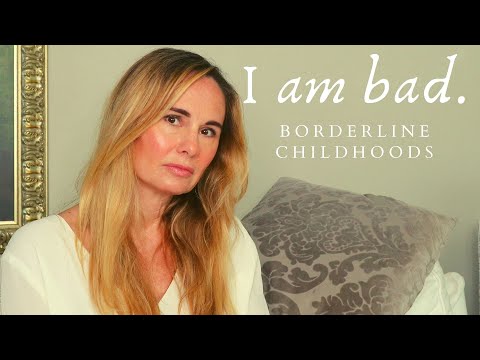
You know, family dynamics can be super complicated. Especially when you’re dealing with a narcissistic mom and a daughter who’s got borderline tendencies.
It’s like trying to dance in a minefield. One wrong step, and boom! Chaos everywhere.
Maybe you’ve felt that tug-of-war between wanting your mom’s love and struggling with her demanding ways. Or perhaps you’ve experienced that whirlwind of emotions that comes with borderline personality traits.
Look, it’s messy. Relationships like this can leave you feeling drained, confused, and just plain lost sometimes. But guess what? There’s hope.
Healing is totally possible! You can find your way through the chaos and build something better for yourself. So let’s chat about it—your journey matters!
Identifying the 10 Key Symptoms in Daughters of Narcissistic Mothers
Narcissistic mothers can leave a deep impact on their daughters, shaping their emotional landscapes in ways that can be hard to untangle. If you think you might be dealing with the effects of having a narcissistic mom, recognizing some telltale symptoms can help you understand your experiences better. Here are ten key symptoms that often pop up in daughters of narcissistic mothers:
1. Low Self-Esteem: This one’s pretty common. You might struggle to feel good about yourself because your mom often belittled or criticized you. It’s like carrying this heavy backpack filled with her negative words everywhere.
2. People-Pleasing Behavior: You might find yourself constantly trying to meet other people’s needs—especially those of stronger personalities—just to avoid conflict or gain approval. It’s almost like you learned that your worth depended on making everyone else happy.
3. Difficulty Setting Boundaries: This symptom is crucial! If you’re someone who has trouble saying no or standing up for yourself, it could come from growing up in an environment where your feelings were overlooked or disregarded.
4. Fear of Abandonment: You may feel anxious when friends or partners pull away a little bit, fearing they’ll leave for good like your mom may have done emotionally or physically.
5. Emotional Instability: The ups and downs can feel exhausting! Many daughters experience intense emotions—happy one minute and deeply sad the next—which can stem from not having consistent love and support as kids.
6. Guilt and Shame: There’s often this nagging feeling of doing something wrong, even when there isn’t any concrete reason for it. It might come from internalizing your mom’s expectations as demands rather than just suggestions.
7. Chronic Anxiety: Feeling anxious about everything? That could be linked to always walking on eggshells around a narcissistic mom and not knowing what might set her off.
8. Difficulty Trusting Others: If you’ve been hurt by someone who’s supposed to care for you, trusting others becomes tricky business! You might find it hard to let people in, fearing they will do the same thing as your mother did.
9. Internalized Criticism: Sometimes, this manifests as negative self-talk that sounds a lot like what you’d hear from your mom—constant reminders that you’re not good enough or smart enough or whatever enough.
10. Isolation: Lastly, some daughters tend to isolate themselves from friends and family because they don’t know how to engage healthily anymore after growing up in such a complicated environment.
So yeah, recognizing these symptoms isn’t about blaming anyone; it’s more like pointing out patterns so you can start healing from them. It might feel daunting at first, but understanding where these feelings come from is an important part of reclaiming your life and mental health after such experiences with a narcissistic parent!
10 Harmful Phrases Narcissistic Mothers Say to Their Daughters and How They Affect Mental Health
It’s tough growing up with a narcissistic mother, especially when you’re trying to figure out who you are. The words they say can stick with you like glue, shaping how you view yourself and the world around you. Here are some phrases that might sound familiar and the impact they can have on your mental health.
1. «You’re not good enough.»
This phrase can crush self-esteem. If heard often enough, it creates a voice inside that constantly doubts your worth. You might find yourself always striving for perfection but never feeling satisfied.
2. «I sacrificed everything for you.»
This is a guilt trip, plain and simple. It puts pressure on you to repay an imagined debt. It makes you feel responsible for their happiness, which isn’t your job, by the way.
3. «You’ll always be my little girl.»
On the surface, this might seem sweet but often it’s controlling. It keeps you stuck in a child role, making it hard to assert independence as an adult.
4. «You should be grateful I raised you.»
Here comes the guilt again! This phrase can make it hard for you to express your needs or emotions because it feels like you’re being selfish if you do.
5. «You’re too sensitive.»
If you’ve ever felt invalidated, this one hits hard. Dismissing your feelings leads to confusion about what’s normal or not and can create anxiety around emotional expression.
6. «No one else will love you like I do.»
This is a classic manipulation tactic! It instills fear of abandonment which may lead to rocky relationships down the line as you’re constantly seeking approval from others.
7. «Look at what I did for you; don’t let me down.»
When this gets repeated throughout your life, it pressures you to conform to their expectations instead of pursuing what truly makes *you* happy.
8. «You’re just like me!»
While this might sound flattering at first glance, it often means they expect or want you to mirror their traits—especially if those traits are negative or unhealthy.
9. «Why can’t you be more like [insert sibling]?»
Comparisons can be brutal! Hearing this over time creates resentment towards siblings and fosters feelings of inadequacy within yourself.
10. «You should find a man who will take care of you.»
This sends a message that your worth hinges on someone else’s validation rather than on who *you* are as an individual with unique strengths and talents.
These phrases can lead to feelings of anxiety, depression, and low self-esteem which—guess what—can affect your relationships in adulthood too! Healing from these experiences takes time but recognizing those harmful patterns is the first step toward reclaiming your voice and building healthier connections with yourself and others.
So remember: It’s not about changing who they are; it’s about changing how *you* respond to them moving forward.
Understanding the Impact: Daughters of Narcissistic Mothers Share Their Stories on Reddit
There’s something really intense about the relationship between daughters and their narcissistic mothers. This isn’t just a casual issue—it can shape identities, self-worth, and emotional health. Daughters often share their experiences on platforms like Reddit, making it easier for others to feel less alone. It’s like a collective therapy session where everyone’s opening up about their struggles.
Narcissistic mothers can warp the mother-daughter bond into something unhealthy. The primary thing is that these moms often seek validation at the expense of their daughters’ feelings. They might belittle achievements or dismiss emotions as trivial. This can lead to feelings of inadequacy in the daughter because she might constantly feel like she’s never enough.
Common Themes from Daughters’ Stories:
- Emotional Invalidations: Many daughters share how their feelings were often brushed aside. For instance, when they cried or expressed sadness, they were met with comments like “You’re being too dramatic.”
- Constant Comparison: There’s this relentless need for competition instead of support. Daughters recall being compared to others—“Why can’t you be more like your cousin?”—which can create deep-seated insecurities.
- Lack of Boundaries: A lot of stories talk about how personal space and privacy didn’t exist. The mom’s need for control overshadowed any respect for boundaries.
- Guilt-Tripping: These daughters often felt manipulated through guilt trips, as if their happiness was directly tied to pleasing their mothers.
Think about a daughter sharing her experience: “I remember my mom once telling me that no one would ever love me if I didn’t look a certain way.” That kind of comment sticks with you, right? It layers shame on self-image issues.
Healing from this kind of upbringing is no walk in the park. It takes time and effort, but there’s hope. Therapy plays an important role here; it helps daughters unpack those childhood wounds. Seeking support groups can also be beneficial—you connect with others who get it.
When these daughters finally reclaim their stories, it’s powerful! They begin to reshape how they view love and relationships, learning what healthy connections look like. In getting away from that toxic cycle, many start setting boundaries that once felt impossible.
Recognizing patterns is vital too; noticing when those old narratives pop up in adult relationships helps break the cycle. It’s all about learning by feeling what love should genuinely feel like—nurturing and supportive rather than judgmental or demanding.
So yeah, healing doesn’t just happen overnight; it’s a journey filled with ups and downs as they navigate how to redefine themselves outside those shadowy walls built by narcissism. But each story shared on platforms like Reddit brings light—not just for the one sharing but for so many others who feel alone in it all too!
Healing from a relationship with a narcissistic mother when you’re a daughter who might identify with some borderline traits? Wow, that’s a heavy mix. Honestly, it can feel like you’re caught in this emotional tug-of-war that just never ends.
Let’s say you grew up always feeling like you were walking on eggshells. You know the type—everything was about keeping mom happy. If her mood changed, it was like flipping a switch. One minute she’s charming and loving, the next she’s critical and cold. It can really mess with your sense of self, right? Maybe you’d try hard to earn that love and approval, only to feel like you just couldn’t get it right.
But here’s where things can get complicated: if you’ve got some borderline traits—like intense emotions or fears of abandonment—you might find yourself reacting strongly to whatever mood your mom is in. You might even mirror her behavior without realizing it. It’s wild how we can absorb these patterns and then play them out in our own lives.
I remember chatting with a friend who had lived through something similar. She described feeling this constant pull towards her mom—wanting connection but being terrified of the volatility. Some days, her mom’s criticism would cut deep, leaving her feeling unworthy and anxious about everything—relationships, jobs, even simple decisions.
And let’s not underestimate the power of that bond; it’s hard breaking free from those ties when they feel so tangled up in your identity. Healing means untangling those threads one by one. It takes time to recognize that their behavior doesn’t define your worth.
Therapy can be a game changer here! Finding someone who gets your experience helps put things into perspective. You start learning what healthy relationships look like and how to set boundaries. You know, learning to fill your own cup instead of waiting for someone else to do it.
It’s tough work—like peeling an onion—and you’ll probably shed some tears along the way! But hey, recognizing those old patterns is seriously empowering. And while the journey might be bumpy at times, every small step toward healing matters so much.
So yeah, healing from that kind of bond isn’t easy at all, but with time and support, it’s absolutely possible to redefine who you are outside of those old dynamics!