You know those people who just seem to think the world revolves around them? Yeah, that can be a real energy drain. It’s like they have this built-in spotlight and can’t help but hog it.
Narcissistic Personality Disorder, or NPD for short, is a bit more complicated than just being self-absorbed. It’s actually in the DSM-5—a big deal book for mental health pros. But what does that really mean for you and me?
So, let’s dig into what NPD looks like and how it fits into that DSM-5 framework. Trust me, there’s so much more to this than just some fancy terms. You might even recognize some traits in people you know!
Understanding Narcissistic Personality Disorder: A Comprehensive Guide to DSM-5 Criteria
Understanding Narcissistic Personality Disorder (NPD) can feel a bit like trying to read a book upside down. It’s confusing, but once you get the hang of it, things start to make sense. So let’s break it down.
Narcissistic Personality Disorder is listed in the DSM-5, which stands for the Diagnostic and Statistical Manual of Mental Disorders, Fifth Edition. This guide helps professionals categorize and diagnose mental health conditions. For someone with NPD, their behaviors and attitudes can make interactions tricky.
Here are the main criteria from the DSM-5 that help identify NPD:
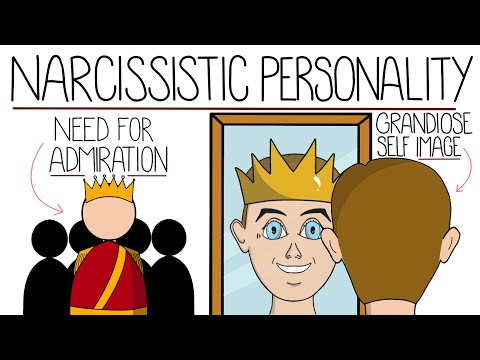
- Grandiosity: People with NPD often have an inflated sense of their own importance and achievements. It’s like they’re starring in their own movie where everything revolves around them.
- Need for admiration: They constantly seek validation and praise from others. If they don’t get that attention? It’s like pouring salt on an open wound.
- Lack of empathy: These individuals might struggle to recognize or care about the feelings of those around them. You might feel unheard or invisible in conversations because their focus is mainly on themselves.
- Believing they are special: They often think they’re unique or misunderstood by others. This can lead to feeling superior to those who they see as “ordinary.”
- Exploitation: They might take advantage of others to achieve their own goals without a second thought.
- Envy: Often feeling envious of others or believing others envy them can create a cycle of negativity in relationships.
- Arrogant behaviors: This can manifest in condescending attitudes toward people they deem inferior.
You know how some people seem to have that magnetic personality? Well, with NPD, that charm can quickly turn into manipulation when things don’t go their way.
Imagine you’re at a party, and there’s someone dominating every conversation—always steering it back to their achievements while ignoring what anyone else has to say. That could be a glimpse into how someone with NPD interacts socially.
It’s important to remember that not everyone who shows a couple of these traits has NPD. Diagnosis involves looking at long-term patterns rather than just isolated incidents.
People with Narcissistic Personality Disorder may face significant challenges in their personal relationships and work environments because their behavior often leads to conflict or disconnection.
In wrapping up this dive into NPD through the lens of the DSM-5 criteria, it’s clear this is more than just arrogance or self-centeredness; it’s deeply rooted in emotional struggles that affect how one sees themselves and relates to others.
So if you ever feel lost trying to understand someone with these traits, just remember: there’s often more beneath the surface than what meets the eye!
Understanding Insight in Individuals with Narcissistic Personality Disorder: A Closer Look
Understanding insight in people with Narcissistic Personality Disorder (NPD) can be a real puzzle. It’s not just about what they think about themselves; it’s also how they perceive their affect on others and their own behaviors. So, let’s get into it.
First off, **insight** refers to the awareness of one’s thoughts, feelings, and behaviors. It’s like shining a light in a dark room—some folks can see clearly, while others are still fumbling around. When it comes to individuals with NPD, insight is often pretty limited.
Narcissistic Personality Disorder itself is characterized by a few key traits, you know? You’ve got that grandiosity—thinking you’re better than everyone else. There’s also the need for excessive admiration and a lack of empathy for others. Because of these traits, many people with NPD don’t really see their behavior accurately or understand its impact.
People with NPD might believe they’re totally justified in how they act. They often have this inflated sense of self-importance that clouds their judgement. For instance, someone might interrupt friends during conversations because they feel like what they have to say is way more interesting. They might not even notice the frustrated looks from those around them!
Another part of the picture is defense mechanisms. These are mental strategies people use to protect themselves from uncomfortable feelings or reality checks. For someone with NPD, denial and rationalization are common. Maybe they’ll deny there’s an issue altogether or explain away negative feedback as jealousy from others.
Perception vs Reality is a huge theme here too. A person with NPD might look at a failed relationship and think it was entirely the other person’s fault—like «They just couldn’t handle my greatness.» It buffers them from feeling vulnerable but also keeps them stuck in their own bubble.
But let me tell you about *change*. Some individuals can develop insight over time—through therapy or personal experiences that challenge their worldview. I once knew someone who started realizing how his constant bragging pushed people away after he lost some close friends. It was like watching a light bulb flick on!
However, therapy often feels different for someone with NPD because acknowledging issues can be painful and challenging for them due to that fragile ego. The therapist needs to tread lightly, validating any positive traits while gently guiding them toward understanding the negative impacts of their behavior.
In summary:
- Limited insight: People with NPD usually have difficulty seeing how their actions affect others.
- Inflated self-view: Their grandiosity often blinds them to reality.
- Defense mechanisms: Denial and rationalization help avoid painful truths.
- Evolving awareness: With time and support, some can gain better insight.
Getting deeper into this stuff isn’t easy but recognizing the struggles around insight in narcissism can make conversations more meaningful—both for you understanding it and for those trying to navigate relationships impacted by these dynamics!
Understanding Narcissistic Personality Disorder: The 9 Key Criteria Explained
Narcissistic Personality Disorder (NPD) is a complex mental health condition that can really mess with relationships and how someone views themselves. If you’re curious about what makes someone tick when they have NPD, let’s break down the nine key criteria listed in the DSM-5, which mental health professionals use to diagnose this disorder.
1. Grandiosity: This involves having an inflated sense of self-importance. People with NPD might brag about their achievements or think they’re better than everyone else. You know, like they believe they’re destined for greatness and others just don’t get it.
2. Preoccupation with Success: Often, those with narcissism are fixated on fantasies of unlimited success, power, brilliance, or beauty. It’s like they spend so much time daydreaming about being famous or the best at everything that reality doesn’t even matter.
3. Believing They Are Special: Folks with NPD often think they’re unique and can only be understood by other special people or institutions. Imagine someone acting like they’re above everyone else just because of their «exceptional» qualities.
4. Requiring Excessive Admiration: A constant need for praise? Yep! People with this disorder thrive on compliments and admiration from others, kind of like a plant needs sunlight to grow. If they don’t get it? Oof—watch out!
5. Sense of Entitlement: This means feeling like they deserve special treatment or favors without any good reason for it. Think of someone who expects to be prioritized in every situation just because they think so highly of themselves.
6. Exploitative Behavior: Individuals might take advantage of others to achieve their goals or boost their egos without caring how it affects anyone else. It’s almost like using people as stepping stones!
7. Lack of Empathy: One big red flag is an inability to recognize or care about other people’s feelings—seriously, empathy seems to be off their radar completely! They might come off as cold or disconnected in conversations.
8. Envy Issues: Those with NPD may feel envious of others’ successes while believing that others are envious of them too—which is kind of ironic when you think about it! It creates this weird cycle where jealousy just fuels more ego-driven behavior.
9. Arrogant Behaviors: Finally, arrogance might show up in how they speak and act toward others; you could see them being condescending or belittling in conversations—like they always have to be the smartest person in the room.
It’s important to remember that having some traits doesn’t mean someone has a full-blown personality disorder; this type of diagnosis requires a comprehensive evaluation from a qualified professional.
Look, dealing with someone who has Narcissistic Personality Disorder can be exhausting and confusing for those around them; it’s like walking on eggshells sometimes! Understanding these nine criteria helps shed light on why they act the way they do—and maybe even helps you find some peace if you’ve got one in your life—or if you’re trying to make sense outta your own feelings connected to narcissistic traits!
Narcissistic Personality Disorder (NPD) is one of those terms you might hear thrown around a lot, but when you dig into it, there’s so much more than just a label. Like, if someone says «narcissist,» you probably picture someone who’s super self-absorbed and always looking in the mirror. But there’s a whole psychological framework behind it all.
The DSM-5, which is kind of the go-to book for mental health professionals, describes NPD as a pattern of grandiosity, a need for admiration, and a lack of empathy. So basically, people with this disorder often see themselves as more important than they really are. They have this intense craving for praise and validation from others which can get pretty overwhelming—both for them and for those around them.
I remember talking to a friend who was dating someone who seemed to check all the boxes for narcissism. At first, everything felt exciting! The grand gestures were thrilling; compliments were flowing like water. But soon enough, she began to feel like an accessory rather than an equal partner. It’s heartbreaking how that need for admiration can blind someone to their partner’s feelings.
And here’s the kicker: people with NPD often have wounds that go deep—like insecurities or past traumas that fuel their behaviors. That’s not to excuse bad behavior but understanding that can help peel back some layers about why they act the way they do.
The DSM specifically notes things like arrogance or exploiting others for personal gain as key markers of NPD. You might think of it as sort of a mask—individuals often use this inflated sense of self to hide real vulnerabilities underneath. So whenever you come across someone displaying those traits, just remember there’s usually more going on beneath the surface.
But dealing with someone who has this disorder? That can be tough! If your friend is always putting themselves first or never really listening when you talk about your day, frustration sets in fast. It’s draining and can leave you feeling pretty alone even in their presence.
So next time NPD comes up in conversation or on social media, think about what it means not just in clinical terms but also as something rooted in human experience—pain that’s turned into prideful behaviors and complicated relationships that leave everyone involved feeling less-than-great at times. There’s no easy fix here; it’s messy and complex like most things related to our fuzzy little minds!