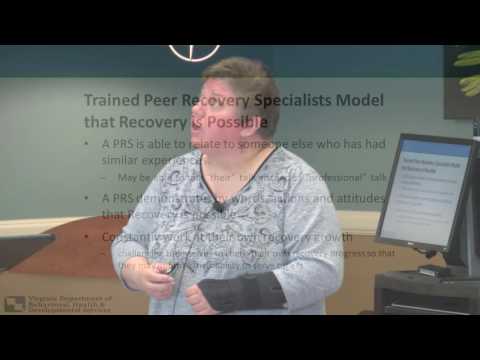
You know, mental health can be a tough journey. It really can. And sometimes, you just need someone who gets it. Like, really gets it.
That’s where the whole peer specialist thing comes in. Imagine chatting with someone who’s been there, done that. They’re not just talking the talk; they’ve walked the walk, too.
These are folks who bring their lived experience to the table. They offer support and understanding you just can’t get from textbooks or therapy alone. It’s like having a friend who knows exactly what you’re dealing with.
Sounds pretty cool, right? Let’s dig into why certified peer specialists are such a big deal in mental health support and how they can totally change the game for so many people.
Understanding the Role of Peer Support Specialists in Mental Health Care
You know, the role of peer support specialists in mental health care is a pretty vital one. These folks are not just another layer in the system; they actually bring something unique to the table. They’ve been there, done that—you know what I mean? They’ve faced their own mental health struggles and, through their journey, they get how tough it can be. So, they’re able to connect with others on a whole different level.
So basically, peer support specialists are trained individuals who use their lived experiences to help others. They can share insights from their own battles with mental health conditions, making them relatable and trustworthy. Imagine you’re facing anxiety or depression and then you meet someone who has walked that road. It can be comforting to know you’re not alone.
Their training goes beyond just sharing stories. They learn really practical skills. For instance, they might help someone develop coping strategies or set personal goals. This hands-on approach is often more impactful than traditional therapy methods because it comes from a place of understanding.
Now let’s break down some key aspects:
- Empowerment: Peer support specialists aim to empower individuals by encouraging self-advocacy and building resilience.
- Community building: They often work within communities to create safe spaces for people to express themselves without judgment.
- Resource navigation: These specialists can guide people through the maze of mental health resources available—what’s useful, what’s not.
- Crisis intervention: In times of crisis, having someone who truly gets it can make all the difference—even if it’s just having someone to talk to.
One story comes to mind about a woman named Sarah I once heard about. She struggled with severe depression for years and felt completely isolated. Then she met her peer support specialist during group therapy sessions. This person had similar experiences and gave Sarah hope that things could improve. With guidance and encouragement, Sarah learned how to advocate for herself in therapy sessions and even started leading discussions in her group!
Peer support specialists also emphasize recovery as a personal journey—no cookie-cutter solutions here! What works for one person might not work for another, so they foster an environment where individual paths are respected.
In terms of certification, becoming a National Certified Peer Specialist involves formal training which ensures they’re prepared for these responsibilities while maintaining ethical standards. This certification process helps legitimize their role within the broader healthcare system.
So yeah, peer support specialists play an integral role in mental health care by bringing lived experience into formal settings. Their unique perspective creates connections that are truly transformational for many individuals on their recovery journeys!
Understanding the Requirements for NCPRSS Certification: A Comprehensive Guide
I’m really glad you’re curious about the National Certified Peer Specialist in Mental Health Support (NCPRSS) Certification. So let’s break it down a bit, yeah?
First off, what is this certification all about? The NCPRSS is designed for individuals who have lived experiences with mental health conditions and are passionate about helping others on their paths to recovery. This certification helps legitimize the role of peer specialists in mental health support. Basically, it shows that you’re not just sharing your story; you’ve got the training and skills to back it up.
Now, onto the requirements. There are a few key steps you need to follow:
- Lived Experience: You need to have your own journey with mental health challenges. This lived experience should be central to your ability to support others.
- Formal Training: Completing an approved training program is essential. These programs typically cover topics like trauma-informed care, effective communication, and conflict resolution.
- Peer Support Supervision: You’ll need at least 500 hours of supervised peer support work or volunteer experience. This hands-on practice is crucial for honing your skills.
- Application Process: After meeting the above criteria, you’ll fill out an application through the Certification Board for Behavioral Health Professionals (CBBHP). They’ll review your experience and training.
You might be wondering what happens next. Once your application is approved, you’ll sit for an exam that tests your knowledge related to peer support practices and principles.
But here’s where it gets interesting: why is this certification so important? Having certified peer specialists can transform the landscape of mental health care by fostering understanding and empathy among clients. It’s like sitting across from someone who truly gets it! You know how powerful that can feel when you’re struggling.
Also, not everyone knows this, but maintaining certification isn’t a one-and-done deal. You have to keep it current by earning continuing education credits over time. It keeps you in the loop with the latest best practices in peer support.
And finally, it’s worth mentioning that getting certified isn’t just about helping others; it’s a personal growth journey too! Many people find that going through this process deepens their recovery path while they help others navigate theirs.
So yeah, if you’re passionate about supporting folks dealing with mental health issues and want a structured way to do it—this certification could be right up your alley!
Empowering Lives: How Certified Peer Specialists Make a Difference in Mental Health Support
Empowerment through Connection
Certified Peer Specialists (CPS) have become a vital part of the mental health support system. They’re not just professionals; they’ve been through their own mental health challenges. They get it. This lived experience makes them relatable and, well, human in ways traditional therapists might not always be. You can’t really underestimate the power of someone saying, “I’ve been there too.” It’s like finding that flicker of hope when you feel lost in darkness.
Creating Safe Spaces
One of the most important roles of a CPS is creating a safe space for people to share their thoughts and feelings without judgement. Imagine you’re sitting with someone who’s been through similar struggles—someone who listens without trying to fix you right away. This kind of environment fosters trust, which is super important for healing.
Bridging the Gap
CPS also serve as a bridge between individuals and professional services. Let’s say you’re feeling overwhelmed and don’t know where to turn. A peer specialist can help by providing information about resources available in your community or guiding you on how to navigate the mental health system. It’s like having your own personal GPS when everything feels confusing.
Advocacy Matters
Advocacy is another huge part of what CPS do. They advocate for individuals’ rights and needs within different services, making sure every voice is heard—not just the loudest ones. If someone feels like their therapist isn’t listening or if they need different options, CPS can step in and give that extra push for better care.
Skill-Building
Beyond emotional support, peer specialists also help with skill-building for daily living and coping mechanisms. It could be anything from developing mindfulness techniques to figuring out how to handle stressful situations when they come up again. That practical advice helps create more resilience in those they support.
A Community Network
CPS often connect individuals with community resources that provide social support or group activities, which is key for recovery. Being part of a community can make all the difference! It combats feelings of isolation among people dealing with similar issues—a real game changer, so to speak.
Real-Life Impact
There are many stories about how CPS has changed lives. Like one woman named Sarah who struggled with severe anxiety after losing her job—she felt completely lost and alone until she met her peer specialist at a local support group. With continuous guidance from her CPS, Sarah found new ways to cope with anxiety and eventually landed a job she loves!
In short, Certified Peer Specialists play an essential role in mental health support by offering lived experience knowledge, creating safe spaces for connection, bridging service gaps, advocating for rights, building skills for life challenges, and reinforcing communal bonds among individuals facing similar hurdles.
Empowered lives lead to empowered communities—and that’s really where the magic happens!
So you know, the role of a National Certified Peer Specialist in mental health support is pretty fascinating. It’s like having someone who gets it—who’s walked through the fire and come out the other side. Imagine sitting down with someone who understands your battles because they’ve faced their own. That’s what a peer specialist brings to the table.
I remember a friend of mine, let’s call her Sarah. She had a tough time with her mental health, feeling lost and alone for ages. When she finally connected with a peer specialist, everything changed. This person didn’t just talk the talk; they had been through similar experiences, which made it so much easier for Sarah to open up. They shared their own journey—the ups and downs—and that helped create this bond built on trust. So, like, there was no judgment or anything; just understanding and genuine empathy.
What’s neat about being a peer specialist is you’re not just handing out advice or telling someone what to do; you’re walking alongside them. There are no expert titles hovering over your head—it’s more like buddies navigating life together. You get to share tools that worked for you but also invite them to find what resonates with them.
Being certified means these folks have gone through training and have learned how to support others effectively, blending lived experience with practical skills. That certification shows commitment—not just to their recovery but to helping others in theirs too.
It’s also about community building. Peer specialists help fight stigma by showing people that recovery is possible and sharing stories of resilience. They’re like bridges connecting folks in distress with hope, which is such an important link in mental health care.
So when you’re thinking about mental health support, remember the power of these peer specialists—real people helping other real people find their way back into the light. It’s heartening knowing there’s this network out there of individuals ready to lift each other up when times get tough!