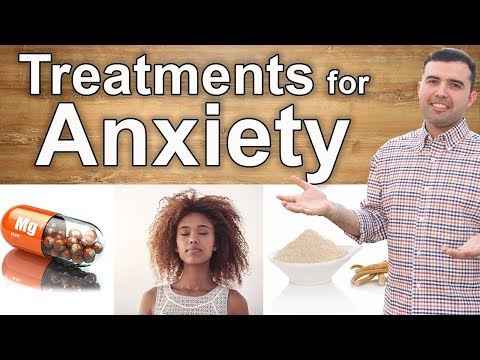
So, anxiety. Yeah, it can be a real pain. You know that feeling when your stomach drops and your thoughts race? Yeah, we’ve all been there. It’s like your brain wants to throw a party, but it’s just you and the worrying.
Now, some folks lean on therapy or meds, which are totally valid options. But let’s chat about those natural remedies too. They don’t come with a side of weird side effects and can fit right into your daily routine.
Imagine sipping herbal tea instead of scrolling through your phone at night. Or how about a little walk in nature instead of stewing over that thing that happened last week? Sounds refreshing, right?
In this piece, we’ll explore some cool psychological strategies to help calm the chaos naturally. You ready for this ride? Let’s dive in!
Exploring Natural Alternatives to Paroxetine: Effective Options for Mental Health Support
When you think about alternatives to paroxetine, especially for anxiety, it’s good to know there are natural options out there. While paroxetine is a prescription medication, you may be exploring some natural remedies that can ease anxiety without those pharmaceutical side effects.
One of the most popular options is **herbal supplements**. Chamomile tea, for example, isn’t just a cozy drink; some studies suggest it can help with mild anxiety. You could sip on it before bed and feel a sense of calm wash over you. Then there’s kava, which has been used in traditional cultures for ages and may reduce anxiety levels. Just be cautious—kava should be used sparingly due to potential liver issues.
Another area worth diving into is **mindfulness and meditation**. Have you ever sat in silence and just focused on your breath? It sounds simple, but mindfulness practices can really help reduce anxiety by grounding you in the moment. Like when I first tried meditating, I felt like my racing thoughts started to slow down after just a few minutes. There’s something seriously empowering about taking control of your mind.
Speaking of control, let’s talk about **exercise**. Seriously! Getting your body moving releases endorphins—the “feel-good” hormones. Whether it’s yoga, jogging, or dancing in your living room, any physical activity can boost your mood significantly.
Then there’s **dietary changes**—what we eat can have a powerful effect on our mental state. Foods rich in Omega-3 fatty acids (like salmon or walnuts) might help reduce symptoms of anxiety too! Also, consider incorporating more fruits and veggies; they’re packed with vitamins that support brain health.
You’ve probably heard about **essential oils**, right? Oils like lavender and bergamot are often touted for their calming properties. You could use them in a diffuser or even add a few drops to your bath for a soothing experience.
And don’t forget about the importance of a solid **support system**! Talking things out with friends or family can really lighten the load on your shoulders. Sometimes sharing your worries makes them feel less overwhelming—it’s like shining light into the dark corners of your mind.
Now remember—as great as these options sound, they’re not one-size-fits-all solutions! Everyone reacts differently to natural remedies just like they do with medications like paroxetine. So if you’re considering any changes or additions to your mental health routine, chatting with a healthcare provider first is smart.
In short: when looking at natural alternatives for mental health support, there are plenty of avenues worth exploring—from herbal remedies to lifestyle adjustments. Just keep in mind that what works for one person might not work for another—so give yourself grace as you figure out what feels best for you!
Unlocking Anxiety Relief: Discover the Top Vitamin to Boost Your Mental Wellness
Anxiety can feel like this uninvited guest that just won’t leave, right? It creeps up on you, making you feel nervous, restless, or even downright panicky. So it makes sense to want to find ways to manage it. One interesting angle people are looking at these days is the role of vitamins in easing anxiety.
There’s a lot of talk about various vitamins, but **vitamin D** seems to get a lot of attention when it comes to mental wellness. Studies suggest that low levels of vitamin D might be linked to anxiety and depression. You know how sometimes when it’s cloudy for days, you just feel a little off? Well, lack of sunlight can mean low vitamin D levels!
Also, **B vitamins**, particularly B6, B9 (folate), and B12, have been studied for their impact on mood regulation. They help in producing neurotransmitters like serotonin and dopamine—basically the “feel-good” chemicals in your brain. If your body is running low on these guys, it can lead to feelings of anxiety or depression.
- Vitamin D: Think of getting some sun or maybe even checking with your doc about supplements.
- B Vitamins: You can find them in leafy greens, beans, and whole grains—your best buddies for mental clarity.
Another vitamin worth mentioning is **vitamin C**. This one’s not just for warding off colds; some studies suggest it plays a role in reducing stress levels as well. It’s not surprising since we often think about boosting our immune system when we’re stressed out.
Let’s not forget **magnesium** too! It’s technically a mineral but often discussed alongside vitamins because its role in anxiety relief is pretty exciting. Magnesium helps regulate neurotransmitters and may enhance your body’s ability to handle stress.
- Vitamin C: Found in citrus fruits—think oranges and grapefruits—to keep both stress and colds at bay!
- Magnesium: Get your fix from nuts or dark leafy greens; think of it as nature’s chill pill.
So here’s the deal: while vitamins and minerals can support mental health and possibly ease anxiety symptoms, they’re not a replacement for professional care if you need it. Sometimes talking things out with someone trained—a therapist or counselor—can make a world of difference.
If you’re thinking about adding supplements into your routine, always good to chat with a healthcare professional first. They can guide you based on what you need personally! Remember that while these natural remedies can help boost your wellness journey, they work best as part of a bigger picture that includes self-care practices like exercise and mindfulness too.
In short: tackling anxiety could be as simple as checking out what you’re eating! Balancing those nutrients might just give you that extra edge over feeling overwhelmed by life’s challenges.
Exploring Natural Alternatives to Hydroxyzine for Anxiety Relief
Anxiety can be a tough road to walk on. A lot of folks look for relief through medications like hydroxyzine, which is often prescribed for anxiety. But there are also some natural alternatives that might help soothe those anxious feelings. So, let’s break down some of these options without getting too technical.
Herbal Remedies
There are several herbs that people swear by for anxiety relief. One popular option is chamomile. You might have seen it in tea form. It’s known for its calming effects and can help you chill out after a long day. Another great herb is lavender, often used in essential oils or teas. It smells heavenly and has been shown to help lower stress levels.
Mindfulness and Meditation
Have you ever tried mindfulness? Practicing mindfulness or meditation can seriously change your perspective on anxiety. It’s all about being present in the moment and not letting your mind race ahead into worries about the future. Just sitting quietly, focusing on your breath, can be super helpful. Even a few minutes a day can make a difference!
Physical Activity
Getting your body moving is another fantastic way to keep anxiety at bay. Seriously! Exercise releases those feel-good chemicals called endorphins, which act like natural painkillers and mood lifters. Whether it’s hitting the gym or just going for a walk around the block, staying active is key.
Adequate Sleep
You probably know that lack of sleep messes with your mood and overall mental health. Prioritizing good sleep hygiene can really give you an edge against anxiety. Try sticking to regular sleep hours and creating a relaxing bedtime routine—like reading or dimming the lights before bed.
Nutrients and Diet
What you eat matters too! Some nutrients are linked to better mental health; for example, omega-3 fatty acids found in fish like salmon or walnuts may help improve mood regulation. Plus, keeping hydrated is crucial—sometimes we forget how much water plays into our well-being.
Aromatherapy
Aromatherapy uses essential oils from plants to promote relaxation and stress relief. Scents like bergamot, rose, or sandalwood can create calming atmospheres at home or work. Just a few drops in a diffuser can work wonders on your mood!
Feeling overwhelmed? Well, if these natural remedies sound appealing but you’ve never tried them before, maybe start small—pick one that resonates with you! And remember—you don’t have to tackle this alone; talking with a professional about combining these approaches could be really beneficial.
By exploring these alternatives together with any prescribed treatments (just chat with your doctor first), you could find what truly works for you when it comes to managing anxiety effectively without jumping straight into medications like hydroxyzine all the time!
Anxiety can feel like this heavy weight pressing down on your chest, right? You know, that relentless worry that makes even the simplest tasks feel like climbing a mountain. I remember a time when I was sitting in a coffee shop, trying to read a book for class, but my mind just wouldn’t settle. It felt like every little noise—the clinking of cups, the chatter of people—amplified my racing thoughts. That kind of overwhelming feeling is something many of us experience.
So, let’s talk about natural remedies for anxiety from a psychological angle. When you think about it, anxiety is not just about what’s happening outside; it’s also very much influenced by what’s going on inside your head. And while therapy and medication can be super effective, sometimes you might want to explore other options, too—like natural remedies.
You might consider things like mindfulness and meditation. Seriously, taking just five minutes to focus on your breath can help ground you when everything feels chaotic. It’s about acknowledging those racing thoughts without getting swept away by them—kind of like watching clouds pass by without feeling the need to chase them.
Another approach could be using herbal supplements. Herbs like chamomile or lavender have been linked to calming effects. But hold up! Always check with someone knowledgeable before diving into that stuff because everyone’s body reacts differently.
Also, don’t underestimate the power of everyday habits. Regular exercise is such a mood booster; it releases those feel-good endorphins and helps clear your mind. You’re not just working out your body; you’re working out those anxious feelings too! And then there’s good old-fashioned nature therapy—spending time outdoors can do wonders for your mental health.
Journaling is another great tool. Getting your worries down on paper can give you some distance from them. Like once I started jotting down my thoughts every night, I realized that what felt overwhelming in my head wasn’t always as scary when laid out in front of me.
In short, natural remedies for anxiety can blend seamlessly with psychological approaches if you’re open to it all. You don’t have to tackle anxiety alone; finding what works for you is key—because at the end of the day, it’s really about taking back some control over those pesky anxious feelings and feeling more at ease in your own skin.