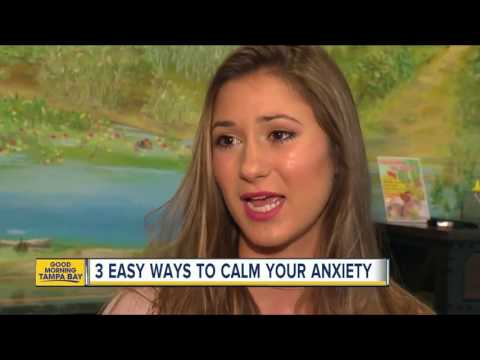
So, anxiety—man, it can really mess with your day, right? It’s like that uninvited guest who just won’t leave.
But here’s the scoop: there are some natural remedies out there that might help ease those jitters. And we’re not just talking herbs and teas; I’m talking about little tweaks in how you think and feel.
Ever tried taking a step back from all the chaos? Or maybe just breathing deeply when things get a bit too overwhelming? Trust me, it can make a world of difference.
I mean, who wouldn’t want to find some chill amidst the chaos of life? Let’s dig into some ideas that’ll help you find that calm place. Sound good?
Discover the Most Effective Natural Remedies for Anxiety Relief
Anxiety can feel like this heavy weight sitting on your chest, right? It’s not just in your head; it can mess with your whole body. While talking to a therapist or even getting medication is totally legit, you might be curious about some natural remedies that could help ease those anxious feelings. So let’s chat about that!
Mindfulness and Meditation
Alright, so here’s a thought: practice being in the moment. Mindfulness and meditation can help you tune into the present, which is, like, super important when anxiety starts creeping in. You don’t need to sit cross-legged for hours; even taking a few minutes each day to focus on your breathing works wonders.
Exercise
You know how you feel after a good workout? Endorphins come rushing in, and suddenly things don’t seem so bad. Regular exercise—whether it’s running, dancing, or even brisk walking—can boost your mood and reduce anxiety levels. Aim for at least 30 minutes most days if you can swing it.
Herbal Remedies
Some folks find relief with herbs like chamomile or lavender. Chamomile tea has been linked to reduced anxiety symptoms. And lavender? Well, its soothing scent has been shown to decrease stress levels. You might want to try essential oils or herbal supplements after chatting with a professional first though.
Adequate Sleep
Lack of sleep can make everything worse—seriously! When you’re well-rested, you’re better equipped to handle stressors. Establish a calming bedtime routine and aim for 7-9 hours per night; it helps clear away that foggy brain anxiety loves hanging around in.
Nutritional Choices
What you eat plays a role too! Omega-3 fatty acids found in fish like salmon are great for brain health. Plus, whole grains can stabilize blood sugar levels—which means less irritability! Make sure you’re getting plenty of fruits and veggies too. A balanced diet helps keep your mood steady.
Aromatherapy
Soothing scents can be comforting when you’re feeling anxious. Using essential oils such as bergamot or ylang-ylang through diffusion or topical application may help calm those nerves. Just check for any allergies before slathering them on!
All these remedies aren’t one-size-fits-all—you might wanna experiment to see what feels right for you. Take it slow; remember that managing anxiety is often a journey rather than an overnight fix. What matters most is finding what really works best for you and allows you to breathe easier!
Top Herbal Remedies to Alleviate Anxiety and Depression Naturally
When it comes to easing anxiety and depression naturally, a lot of people are turning to herbal remedies. And honestly, that makes sense! Nature can be pretty powerful. So let’s break down some common options you might come across.
Chamomile is a popular one. You’ve probably heard of chamomile tea, right? It’s known for its calming effects and can help reduce anxiety levels. Drinking a cup before bed might just help you wind down after a long day.
Another herb that’s worth mentioning is lavender. It’s not just for making your home smell nice! Lavender has been used for ages to help with relaxation and mood improvement. You could use lavender essential oil in a diffuser or even apply it topically—just make sure it’s diluted if you’re doing that!
Then there’s ashwagandha, an adaptogen that’s becoming more well-known lately. Seriously, this herb helps your body manage stress better. Some studies suggest it can lower cortisol levels, which is like the stress hormone in your body.
Also, let’s not forget about St. John’s Wort. This one is often touted for mild depression relief—it may really help elevate your mood. But you’ve got to be careful with it since it can interact with other medications. Always check with a healthcare provider before diving in!
And speaking of interactions, many people find kava kava helpful for anxiety as well. It’s like nature’s chill pill! But watch out; using too much kava can harm your liver, so moderation is key here.
Have you heard of passionflower? It sounds pretty enchanting, doesn’t it? This flower may aid sleep and reduce anxiety symptoms too—great for those restless nights when your mind won’t shut off.
Ginkgo biloba, usually known for memory support, might also contribute positively to mood stabilization by increasing blood flow to the brain. That might just give you the cognitive boost you need when anxiety kicks in!
And last but not least, there’s omega-3 fatty acids. Found in fish oil and some plant sources like flaxseeds and chia seeds, they are thought to play a role in brain health and have been linked to lower rates of depression.
But hey! Just because these herbs are natural doesn’t mean they’re always safe or effective for everyone. It’s super important to consult with a healthcare provider before trying out any new remedies—especially if you’re already on medication or have existing health issues.
In short, while herbal remedies can play a role in managing anxiety and depression naturally, they should complement other treatments and approaches you might be using—and that’s what makes them part of a larger picture when dealing with mental health challenges!
Top Natural Remedies for Managing Anxiety in Teenage Girls: A Comprehensive Guide
Managing anxiety, especially for teenage girls, can feel like a rollercoaster ride sometimes. You know? One minute you’re fine, and the next, BAM! It hits you like a ton of bricks. But hey, there are natural remedies that can help ease those anxious feelings. Let’s break down some of the top options.
Mindfulness and Meditation
This stuff can work wonders. Mindfulness is all about being present in the moment. It helps you recognize anxious thoughts without getting sucked into them. Meditation doesn’t have to be all “ohm” and incense; even a few minutes of focused breathing can really center you.
Exercise
Here’s a no-brainer: moving your body helps release those feel-good chemicals called endorphins. Whether it’s dancing in your room, going for a jog, or even simple stretches at home—getting active can ease anxiety big time.
Herbal Remedies
Some herbs have been shown to calm nerves. For instance, chamomile tea is often used for its soothing effects. Just imagine cozying up with a warm cup after a long day—it might just melt your worries away!
Aromatherapy
Scents do have power! Lavender is known for its calming properties. Using essential oils in a diffuser or even in a warm bath can create an inviting atmosphere that promotes relaxation and eases tension.
Nutritional Changes
What you eat affects how you feel—seriously! Omega-3 fatty acids found in fish like salmon can support brain health and mood regulation. Plus, keeping hydrated makes a difference too; dehydration can actually make anxiety worse.
Creative Outlets
Expressing yourself through art, writing, or music can be incredibly therapeutic. When I was younger, painting my worries onto canvas helped me process everything swirling around in my head.
Sleep Hygiene
Sleep is crucial! Establishing good sleep patterns—like having consistent bedtimes and creating a relaxing nighttime routine—can reduce anxiety symptoms dramatically.
These remedies aren’t one-size-fits-all; it might take some experimenting to see what works best for you or someone close to you! And remember: while these natural approaches are helpful, they don’t replace professional help if anxiety becomes overwhelming.
Just talking about this stuff is super important too, whether with friends or mental health professionals—it creates understanding and support during those tough moments when things feel heavy. So reach out when needed!
Anxiety can really mess with your day, right? You know that feeling when your heart races for no good reason or when your mind spins in circles worrying about things that might not even happen? Seriously, it can feel like you’re stuck in a loop.
So, let’s talk about some natural remedies that can help ease anxiety and how psychology plays into that. A while back, I was feeling overwhelmed with work and personal stuff. I tried yoga for the first time, thinking it was just a bunch of stretching. But wow, it turned out to be more than that! The deep breathing and mindful movements really helped calm my racing thoughts. It was like pressing a reset button in my brain.
When you combine physical activities like yoga with psychological techniques—like mindfulness—you create this amazing little toolkit. Mindfulness is all about being present, acknowledging your feelings without judgment, and honestly? It’s powerful. You start to recognize anxious thoughts as just that—thoughts—not facts. It’s freeing!
Then there are herbal remedies like chamomile tea or lavender oil that have been shown to soothe nerves. I remember sipping chamomile on particularly rough nights; it felt comforting somehow—not a cure-all, but definitely a nice little hug in a cup.
And let’s not overlook social support; talking things out often works wonders! When I finally opened up to my friends about my anxiety struggles, I realized they weren’t judging me—they were sharing their experiences too! It created this bond and made me feel less alone.
So yeah, natural remedies don’t need to come from a prescription pad all the time. Sometimes they’re about leaning into what feels good for you psychologically and physically. Whether it’s yoga, mindfulness practices, some calming teas, or chatting with buddies—these methods can simply help bring down those anxious waves a bit.
At the end of the day, anxiety is tough but finding ways to manage it naturally through psychological approaches feels like taking back some control over our minds and lives—a small but significant victory!