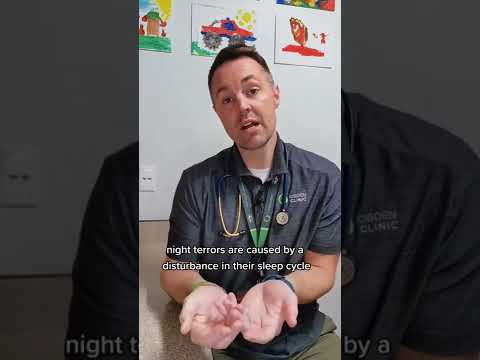
Night terrors can be terrifying, right? One minute your kiddo is sleeping soundly, and the next, they’re screaming like they’ve seen a ghost. Seriously, it’s a nightmare for parents too.
I remember when my friend’s little girl had a night terror. It was like she was in another world—eyes wide open, but totally not there, you know? The poor mom almost lost it.
But hey, there are natural ways to help kids cope with these spooky episodes. You don’t always have to turn to meds or fancy therapies. Sometimes, simple changes at home can work wonders.
So let’s chat about some easy-peasy ways to ease those night terrors without losing your mind or relying on the usual heavy stuff.
Natural Remedies to Stop Night Terrors: Tips for Peaceful Sleep
Night terrors can be really scary. It’s not just about waking up in the middle of the night; it’s more like a panic attack happening when you’re asleep. Kids, especially, can feel super frightened during these episodes. So, let’s talk about some natural remedies that might help tackle night terrors and promote peaceful z’s.
Create a Relaxing Bedtime Routine. Seriously, this is one of the best places to start. A calming routine can set the tone for a good night’s sleep. Maybe read a book or listen to soft music before bed? You want something that helps drift off without excitement or stress.
Mindfulness and Relaxation Techniques can also be beneficial. Teach your child simple breathing exercises. For example, try counting to four while breathing in and then counting to four again while breathing out. This can help calm their mind and body before hitting the pillow.
You know how kids often need comfort? Incorporating comfort items into their sleep environment can really help. A favorite stuffed animal or blanket can provide a sense of safety at night. It’s like having a little buddy right there with them!
Another trick is to maintain a consistent sleep schedule. Going to bed and waking up at the same time every day helps regulate their internal clock. Plus, being well-rested usually means less chance of those nighttime freak-outs happening.
Avoid Stimulants Before Bed. Things like caffeine or sugary snacks late in the day might amp kids up instead of winding them down. Try to keep those treats for earlier in the day and not right before bedtime.
Sometimes it’s about creating an environment that feels safe and cozy. Keep it dark but not too dark. Use night lights if necessary; they can help without being too bright or distracting.
Also, consider using essential oils. Some scents like lavender are known for their calming effects. You could use a diffuser, or even have them sniff some lavender oil on their pillow if they seem cool with that kind of thing.
A lot of people don’t think about diet impacting sleep, but honestly—what you eat matters! A light snack before bed—like whole-grain cereal with milk—might actually promote better sleep because it raises serotonin levels which helps regulate mood.
You know, sometimes kids just need a little extra reassurance during tough times! If they’re going through something stressful at school or with friends, talking it out during the day can lighten their load come bedtime.
If you’ve tried all this stuff still doesn’t do the trick, though? It could be worth having a chat with your pediatrician or a child psychologist just to explore any underlying issues further.
Basically, supporting your kid through gentle routines and positive practices might make those night terrors less intense—and hopefully lead to quieter nights for everyone involved!
Effective Strategies to Reduce Night Terrors in Kids: A Parent’s Guide
So, night terrors can be super scary for both kids and parents. One minute, they’re sleeping like angels, and the next, they’re screaming or thrashing around. It’s confusing! Here are some effective strategies to help you tackle night terrors in your little ones.
Understand What They Are
First off, it’s key to realize that night terrors are different from nightmares. During a night terror, your kid might not even know you’re there or remember anything about it the next day. They usually happen during deep sleep, which is why your child can seem so out of it.
Keep a Consistent Sleep Schedule
Routine is everything when it comes to kids. You wanna aim for a consistent bedtime and wake-up time every day. This helps regulate their internal clock and can lower the chances of those night terrors sneaking in. Think of it as setting up their sleep patterns like a cozy little nest!
Create a Relaxing Bedtime Routine
Another thing that can work wonders? A calming pre-bedtime routine! This could include reading stories, soft music, or even a warm bath. The goal here is to signal to your child that it’s time to wind down and relax.
Reduce Stress
Well, stress can totally mess with anyone’s sleep—kids included! Check if anything is bothering them during the day: school pressure, friends issues, or maybe even changes at home? A simple chat about their feelings could really make a difference.
Avoid Stimulants Before Bedtime
It seems obvious but avoiding sugary snacks or caffeinated drinks before bed is super important too! Those late-night cookies might taste great but might keep your kiddo more awake than you’d like.
Tackle Sleep Environment
Make sure their sleep space feels safe and cozy. A nightlight might ease fears of the dark or comforting stuffed animals can help create that safe space; whatever works for them!
You don’t necessarily need to wake them up during a night terror—this might confuse them more! Instead, gently guide them back to bed without waking them if possible.
Talk to Their Doctor If Needed
If these strategies don’t seem to be working and the night terrors persist, chatting with a pediatrician could be beneficial. They may want to explore other underlying issues or offer additional advice tailored just for your child.
Night terrors can be tough on everyone involved but just remember—you’re not alone in this. Many parents face similar challenges because kids are all about surprises at nighttime! Just stick with supportive approaches and keep calm; you got this!
Exploring the Link Between Vitamin Deficiencies and Night Terrors in Children
Night terrors can be super scary for kids, and honestly, for parents too. You might be wondering what’s behind those wild dreams. One interesting angle is the idea of vitamin deficiencies and how they could be linked to night terrors in children.
Many researchers believe that certain vitamins play a key role in how well kids sleep. For instance, Vitamin D is often mentioned. It’s crucial not just for bone health but also helps regulate mood and sleep patterns. Some studies suggest that low levels of Vitamin D might increase the risk of sleep disturbances, including night terrors.
Another important nutrient to consider is Vitamin B12. It’s essential for brain health and forms red blood cells. When kids don’t get enough B12, it can mess with their nervous system and possibly lead to more anxious thoughts or nightmares during the night.
Then there’s magnesium. This mineral helps relax muscles and calm the mind. A deficiency could leave kids feeling restless and contribute to those intense nighttime episodes.
So basically, if a child isn’t getting enough of these vitamins or minerals, it might make them more prone to having night terrors. But the link isn’t totally straightforward—other factors like stress or sleep environment matter too.
If you think your child might be vitamin deficient, it’s a good idea to chat with a pediatrician. They might suggest dietary changes or even supplements if needed. Filling their plate with foods rich in these nutrients can also help:
- Fatty fish like salmon for Vitamin D
- Dairy products or fortified cereals for Vitamin B12
- Nuts and leafy greens for Magnesium
Incorporating these foods into meals can be fun! You could even make smoothies together with spinach or yogurt—easy peasy!
You know how sometimes you feel a little off when you’re sick? Well, imagine being a kid trying to navigate all those feelings on top of not getting enough nutrients! Their little bodies are still growing and changing; every bit counts.
So yeah, while there’s no one-size-fits-all solution when it comes to night terrors, looking at nutrition could really help some kiddos find more peaceful nights. Giving them the right fuel can make all the difference in their dreams—as well as your sanity!
Night terrors can be pretty intense, can’t they? If you’ve ever experienced one as a parent or a caregiver, you know how alarming it can be to see a child suddenly wake up screaming, seemingly scared out of their wits. I remember one night when my buddy’s little girl, who was around five at the time, had a full-blown episode. She sat up in bed, eyes wide open but not really there. It was terrifying for both her and her parents. They felt helpless and just wanted to comfort her.
So, when it comes to easing night terrors naturally, there are definitely some approaches that many folks find helpful. Creating a calming bedtime routine is often high on the list. This could mean reading together or even just dimming the lights and playing soft music before bed. That kind of vibe helps signal to their little brains that it’s time to wind down – kind of like flipping the “sleep switch,” you know?
Another thing to consider is the sleep environment itself. A dark room is usually comforting for some kids, but others might prefer a night light – it all depends on what makes your kiddo feel safe. Some families swear by soft blankets or stuffed animals that their little ones can hug tightly when those scary dreams creep in.
Then there’s relaxation techniques like deep breathing or guided imagery that can be taught even at young ages! Imagine telling your child to picture their favorite place during moments of panic – like their cozy fort or a magical kingdom with fluffy clouds and friendly animals. Those mental images could help steer them away from fear.
And don’t forget about consistency! Regular sleep schedules help, too—going to bed and waking up around the same time every day trains their bodies when it’s time to sleep and dream peacefully.
But here’s where things get tricky: if these natural methods aren’t quite doing the job after giving them some time, chatting with a pediatrician or sleep specialist might be wise. Sometimes night terrors stem from deeper issues like stress or anxiety that need more attention.
So yeah, night terrors can be rough waters to navigate as a caregiver. But with love, patience, and some natural tactics in your back pocket, maybe we can help those kiddos face bedtime fearlessly!