You know those cold, gray winter days when the sun just seems to disappear? Yeah, that’s the vibe of Seasonal Affective Disorder, or SAD. It’s like you’re wrapped in a damp blanket of blah.
Seriously, you’re not alone if you feel low during the colder months. A lot of folks struggle with this. But here’s the thing: there are natural ways to give those gloomy blues a swift kick in the pants!
What if I told you that sunshine isn’t the only solution? There are easy-peasy approaches to help lift your spirits and brighten your mood. You just might find some surprising tricks that fit right into your life! So let’s chat about how to tackle SAD naturally and make those winters a little less… well, dreary.
Effective Strategies to Overcome Seasonal Affective Disorder and Boost Your Mood
Seasonal Affective Disorder, or SAD, can feel like this heavy blanket that just doesn’t lift. You know, those winter months when the sun barely peeks out? That’s when many people start feeling down. If you’re someone who struggles with this, don’t sweat it—you’re not alone! There are some effective strategies that can really help boost your mood and lighten that load.
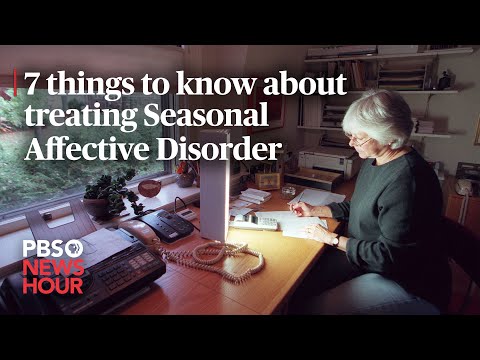
Light Therapy is one of the most popular natural approaches. Basically, it involves using a special light box that mimics natural sunlight. You sit in front of it for about 20 to 30 minutes each day—usually in the morning. It’s like getting a mini-vacation to a sunny place while staying cozy at home! Many people notice a difference after just a few days.
Another great way to combat SAD is by staying active. Exercise releases endorphins—those feel-good chemicals in your brain. You don’t have to dive into an intense workout regime; even simple things like walking or dancing around your room can work wonders. Just remember that movement counts, so find something you enjoy!
Now let’s talk about diets. What you eat can really affect how you feel. Focus on foods rich in omega-3 fatty acids like salmon or walnuts and consume more fruits and vegetables to give yourself energy boosts. Sometimes, even just making a smoothie with bright-colored fruits can help lighten your spirits—trust me!
Don’t overlook social connections, either. When it’s cold and gloomy outside, isolating yourself might seem tempting, but that’s usually not helpful. Reach out to friends or family for a chat or plan cozy little get-togethers—even virtually! Sometimes just sharing how you’re feeling with someone else can lift the fog.
And speaking of feelings, practicing mindfulness or meditation can be seriously beneficial too. You know those moments when everything feels too loud? Mindfulness helps you focus on the here and now instead of worrying about everything else. Simple breathing exercises or guided meditations can be done anywhere—just take a few minutes to breathe deeply and clear your mind.
Also, don’t forget about vitamins! Some folks benefit from taking vitamin D supplements during darker months since our bodies make less without sunlight exposure. It might not work for everyone but talking with a healthcare provider could help you figure out what suits you best.
Sometimes we overlook simple pleasures too; things like reading that book you’ve been meaning to check out could be the ticket! Engaging in hobbies—even if they seem small—can spark joy and distract from those heavy feelings.
Finally, think about setting daily routines. Having structure in your day gives you something to look forward to—like morning coffee rituals or evening wind-down routines before bed. When life feels chaotic due to seasonal changes, having some kind of rhythm helps ground us.
So yeah, if you’re feeling the weight of SAD this season remember these strategies: light therapy, exercise, healthy eating habits, strong connections with others and mindfulness practice—it all combines together to create an armor against those lingering blues!
Discover the Most Effective Natural Mood Stabilizers for Emotional Wellness
So, let’s talk about natural mood stabilizers. When the seasons change, especially in winter, some of us can feel a little more down than usual. It’s like the dark days just weigh on you, you know? This is often linked to something called Seasonal Affective Disorder (SAD). *But* there are ways to help lift your spirits naturally.
First up, let’s discuss **light therapy**. Basically, it involves sitting near a light box that mimics natural sunlight. A daily dose of this can really help boost your mood and energy levels. You’d be surprised how just getting that bright light can trick your brain into thinking it’s sunny outside!
Then there’s exercise—like, seriously! Getting your body moving releases endorphins, which are chemical feel-good buddies. Whether it’s a brisk walk or a yoga class, find something that gets your heart pumping and you’ll likely notice an uptick in your mood.
Now, don’t forget about the power of **nutrition**. Your diet plays a big role in how you feel emotionally. Foods rich in omega-3 fatty acids like salmon or flaxseeds can help stabilize moods. And get this: dark chocolate isn’t just tasty; it can actually boost serotonin levels too! So maybe indulge a bit (in moderation) for that sweet pick-me-up.
Another cool thing is herbal supplements. Some people swear by **St. John’s Wort**, which has been used for ages as a natural antidepressant. But hey, always chat with a healthcare provider before diving into these because they can interact with other meds you might be taking.
Speaking of chatting, social connections matter—a lot! Spending time with friends or family can lift those heavy feelings off your chest. It’s all about feeling connected and supported when life feels gray.
Let’s not forget about good old-fashioned **sleep**! Not catching enough Zzzs? That can make everything feel worse emotionally. Aim for 7-9 hours of quality sleep each night and try to establish a routine that helps you wind down—maybe read a book or meditate.
And finally—don’t underestimate the effects of mindfulness and meditation. Practicing being present helps reduce stress and anxiety by keeping your mind focused on right now instead of spiraling into worries about the past or future.
In summary:
- Light therapy – Get that artificial sunshine!
- Exercise – Move your body to release endorphins.
- Nutrition – Load up on omega-3s and enjoy some chocolate.
- Herbal supplements – Consider St. John’s Wort after consulting with someone.
- Social connections – Hang out with people who lift you up.
- Sleep – Prioritize quality rest each night.
- Mindfulness and meditation – Stay present to calm those racing thoughts.
So yeah—these natural approaches might not be instant fixes but they sure can create small changes that add up over time! Just remember each person is different; what works for one might not work for another. It’s all about finding what fits best for *you*.
Top Vitamins to Combat Seasonal Depression: Boost Your Mood Naturally
Seasonal Affective Disorder, or SAD for short, can really throw a wrench in your mood when the days get shorter and darker. You might feel more tired or down than usual, and it can be a real struggle. One way to help lift your spirits is through vitamins. Let’s break down some of the top ones that might give you that natural boost.
Vitamin D is often dubbed the sunshine vitamin. Why? Because our bodies produce it when we’re exposed to sunlight! Missing out on those rays during winter can lead to low levels of this vitamin, which is linked to mood regulation. You could try foods like fatty fish, fortified dairy products, or even take a supplement if you’re not getting enough from sun exposure.
Then there’s Vitamin B6. This vitamin plays a role in neurotransmitter production—basically chemicals in your brain that help regulate mood. Foods like chicken, turkey, bananas, and spinach are great sources. When your B6 levels are good, it may help maintain emotional balance.
Don’t overlook Vitamin B12. It helps keep your nerves healthy and supports mental function. If you’re feeling sluggish or having trouble focusing during those gloomy months, low B12 might be at play. It’s found in animal products like fish and beef, so if you’re vegetarian or vegan, look into fortified foods or supplements.
Another big player is Omega-3 fatty acids. While technically not a vitamin, these healthy fats are known for their anti-inflammatory properties and potential mood-lifting effects. Fatty fish (like salmon), walnuts, and flaxseeds are good sources. Adding these to your diet could help alleviate some of those seasonal blues.
Lastly, Magnesium deserves a shout-out too! This mineral helps with relaxation and can improve sleep quality—not to mention it might just fend off anxiety! Green leafy vegetables, nuts, seeds, and whole grains are packed with magnesium.
So yeah, while vitamins alone won’t cure SAD or completely banish the winter blues—because there’s way more going on with mental health—you might find they give you that little nudge of support when you need it most. Pairing these nutrients with other lifestyle changes like light therapy or outdoor exercises could be your best shot at feeling better during those dreary months!
Seasonal Affective Disorder, or SAD, can really take a toll on anyone who experiences it. You know those winter months when the days are shorter, and the sun seems to hide away? It’s no walk in the park. I remember a buddy of mine dealing with this during college. As soon as fall rolled around, he just seemed…different. He was less social and more prone to feeling down. It was hard to see him like that.
So, when we talk about natural approaches to managing SAD, it’s super important to consider what actually works for you personally. Light therapy is often the go-to suggestion. You basically sit in front of a special light box that mimics sunlight. My friend found that even just sitting by a window on sunny days made a difference for his mood.
Then there’s exercise, which seriously helps shake off that winter fog. Even a short walk outside can lighten your mood and boost those feel-good chemicals in your brain — endorphins. In fact, my friend picked up jogging and swore it was like his personal sunshine.
And let’s not forget about diet! Foods rich in omega-3 fatty acids—think fish or walnuts—can really help improve mood stability. When my buddy switched out some junk food for healthier options, he noticed a positive change in how he felt overall.
Finally, connecting with others is key. During those gloomy months, reaching out for coffee or simply chatting can remind you that you’re not alone in this struggle. Support from friends helps lift that heaviness off your chest.
It’s all about finding what fits into your life and feels good for you. If my friend could find ways to cope despite feeling low at times, I think anyone can do it too!