Hey, you ever feel that tight knot in your stomach when life just gets too much? Yeah, me too.
Anxiety and stress can hit like a ton of bricks. Seriously, it’s like they just sneak up on you out of nowhere.
But here’s the thing: some people find relief through natural supplements. I know it sounds a bit out there, but hear me out.
Imagine easing those worries without diving headfirst into prescription meds. Sounds dreamy, right?
Let’s chat about some options that might help calm that storm inside you.
10 Natural Ways to Reduce Anxiety and Stress: Your Guide to Inner Calm
Anxiety and stress can really get under your skin, huh? You know how it feels when everything seems to pile up at once. Well, there are definitely some natural ways to help ease that anxiety and find a bit of calm. Here’s a rundown of some strategies you might want to consider.
1. Deep Breathing
It’s amazing how something so simple can make such a big difference. When you’re feeling anxious, try taking slow, deep breaths. Inhale through your nose for a count of four, hold for four, then exhale through your mouth for six. Seriously, give it a shot next time you’re feeling overwhelmed.
2. Regular Exercise
Getting your body moving is not just good for your physical health but also great for your mental health. Even a brisk walk can release those feel-good hormones called endorphins. Try going outside; fresh air does wonders!
3. Mindfulness Meditation
Mindfulness helps you focus on the present moment instead of stressing about the future or dwelling on the past. Yeah, it sounds kind of “out there,” but spending just 10 minutes a day sitting quietly and noticing your thoughts can be super grounding.
4. Herbal Supplements
Some natural supplements have been shown to help with anxiety—things like chamomile or valerian root have calming properties. But hey, always check with a healthcare professional before diving into any supplements!
5. Limit Caffeine
Caffeine might give you energy but it can also increase anxiety levels for many folks. If you notice that coffee makes you jittery or anxious, maybe try cutting back or switching to decaf.
6. Get Enough Sleep
Lack of sleep can really mess with your mood and anxiety levels. Aim for 7 to 9 hours each night if possible! Establishing a bedtime routine could help signal to your brain that it’s time to chill out.
7. Stay Connected
Talking things out with friends or family can be an awesome relief valve for stress and anxiety. You don’t need to have all the answers; sometimes just venting is enough.
8. Healthy Eating
A well-balanced diet impacts more than just your physical health; it plays into how you feel mentally too! Foods rich in omega-3s (like salmon) or antioxidants (like berries) might give that mood boost you’re looking for.
9. Nature Time
Spending time in nature has been linked with lower stress levels and reduced feelings of anxiety. Whether it’s hiking in the woods or chilling in a park, getting outside is key!
10. Journaling
Putting pen to paper can help organize those swirling thoughts in your head and clear out mental clutter! Try jotting down what’s bothering you or even listing things you’re grateful for—it’s surprisingly uplifting.
So yeah, there are plenty of natural ways to ease anxiety and find inner calm without relying solely on medications or formal therapy sessions! Just remember that everyone is different—what works like magic for one person may not fly for another—but trying these out could lead you on the path to feeling better!
Top Supplements for Managing Stress, Anxiety, and Depression: A Comprehensive Guide
Stress, anxiety, and depression can really take a toll on your mental health. If you find yourself feeling overwhelmed, you might be curious about natural ways to help manage those feelings. There are several supplements that many folks turn to for support. Let’s break it down.
1. Magnesium
This mineral is often called the «calm nutrient.» It plays a huge role in brain health and can help reduce anxiety levels. Some studies suggest that magnesium deficiency can lead to increased anxiety and depression symptoms. You might find magnesium in foods like leafy greens or nuts, but supplements are also an option.
2. Omega-3 Fatty Acids
These are mostly found in fish oil and have been linked to improved mood and reduced depression symptoms. They’re crucial for brain function and may help keep your mind in a better place. Some people reported feeling less anxious after incorporating omega-3s into their diet.
3. Vitamin D
Feeling low? Check if your vitamin D levels are too! This vitamin is super important for mood regulation, and low levels have been associated with depression. Sunlight is the best source of vitamin D, but if you’re not getting enough sun exposure, a supplement could be beneficial.
4. B Vitamins
B vitamins, especially B6, B9 (folate), and B12, play a role in mental health by helping to regulate mood and combat fatigue. Low levels of these vitamins can contribute to feelings of anxiety or stress. A good diet rich in whole grains, eggs, leafy greens can help you get your fill.
5. L-Theanine
Found naturally in green tea, L-theanine promotes relaxation without causing drowsiness. It’s been shown to reduce stress and improve focus which is super helpful when life gets hectic! Many people take it as a supplement during high-stress periods.
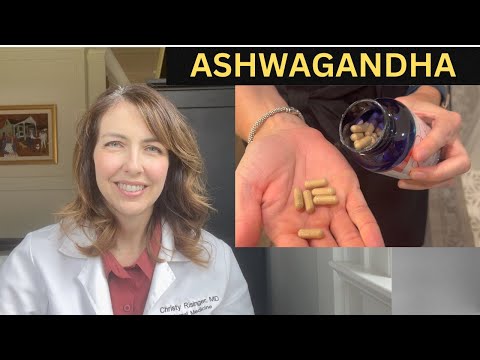
6. Ashwagandha
This adaptogenic herb is known for its ability to help the body handle stress better—like a little shield against life’s pressures! Some studies show it may significantly reduce cortisol levels (you know, the stress hormone) which could lead to a calmer state of mind.
7. Rhodiola Rosea
Another adaptogen! Rhodiola may enhance resilience against stress while reducing fatigue and feelings of burnout—perfect when you’re juggling too many things at once!
The thing is, not everyone will react the same way to these supplements. It’s always smart to talk with a healthcare professional before starting anything new—what works for one person might not work for another.
And here’s one last thought: while supplements can offer some support during tough times, they’re not magic fixes or substitutes for therapy or other treatments if needed. You follow me? Balance is key!
Top Supplements to Naturally Manage Stress and Anxiety: Your Ultimate Guide
Managing stress and anxiety is something so many of us deal with, right? Sometimes it feels like you’re juggling a million things at once. The good news is, there are some natural supplements that can help ease that load a bit. Here’s a rundown on some top supplements people often turn to for support.
1. Ashwagandha
This herb has been used in traditional medicine for ages. It’s thought to be an adaptogen, which basically means it might help your body respond better to stress. Some studies suggest that it can lower cortisol levels—a hormone linked to stress. You might find it in capsule form or as a powder you can mix into smoothies.
2. Magnesium
You know magnesium? It’s like this superhero mineral. It plays a huge role in brain function and mood regulation. Some research suggests that magnesium deficiencies can up your anxiety levels. Foods like spinach, nuts, and whole grains are high in magnesium, but you can also get it through supplements if you’re not hitting those food targets.
3. L-theanine
This amino acid is found naturally in tea leaves—especially green tea. It promotes relaxation without feeling drowsy, which is pretty cool! Many people take L-theanine supplements for their calming effects on the mind and body, helping reduce stress levels during the day without making them sleepy.
4. Omega-3 Fatty Acids
These guys are mostly known for their benefits to heart health but have also been linked to lower levels of anxiety and depression. You can usually find omega-3s in fish oil supplements or even flaxseed oil if you’re vegetarian or vegan.
5. Chamomile
This isn’t just for your nighttime tea! Chamomile has been used traditionally to calm nerves and promote sleep too. Some studies show that chamomile extract may help reduce symptoms of generalized anxiety disorder (GAD). That soothing ritual of sipping chamomile tea might actually be doing more than just warming you up!
6. Rhodiola Rosea
Another adaptogen on the list! This root is believed to increase your body’s resilience against stress while potentially boosting energy levels too, which is kinda neat when you’re feeling overwhelmed.
Using these supplements isn’t a magic fix though—like all things, they can work differently for everyone. And remember, it’s always good to chat with your healthcare provider before adding new stuff into your routine.
So yeah, managing stress and anxiety naturally can be achievable with the right tools at your disposal!
You know, life can throw some seriously heavy stuff at us sometimes. When that anxiety creeps in, it feels like a weight on your chest. I remember this one time, I was stuck in a cycle of worry about work and relationships. It was exhausting. So, I started looking into natural supplements that might help ease the tension a bit.
A lot of folks swear by things like magnesium or ashwagandha. Honestly, I’ve heard great things about ashwagandha helping with stress levels. It’s an adaptogen, which means it might help your body manage stress better—how cool is that? Some people take it for mood swings too, which makes sense because who doesn’t want to feel a little more balanced?
And then there’s chamomile tea! Man, just the aroma of steeping chamomile makes me feel calmer—like a warm hug in a mug. So many people find it helps them unwind at the end of a long day or even before bed.
But let’s be real here: not all supplements work for everyone. What helps one person might not do anything for another; our bodies are quirky that way! Plus, it’s always good to chat with someone who knows their stuff before diving into anything new.
I think what’s important is finding what really resonates with you. Maybe it’s yoga or meditation on top of some herbal support; maybe it’s just taking time to breathe deeply during hectic moments. The key is experimenting and listening to your body.
In the end, supplements can be part of the puzzle but they’re not the whole picture–taking care of your mind and body is a combo effort. And if you’re ever feeling overwhelmed? Remember to reach out to someone—it helps way more than we often realize!