Hey, have you ever noticed how a walk in the park can just clear your head? That fresh air, the trees swaying, and maybe even some cute squirrels doing their thing. It’s something special, right?
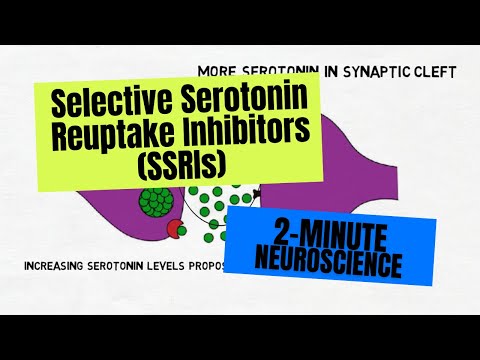
Now, pair that feeling with SSRIs—those selective serotonin reuptake inhibitors that help with depression and anxiety—and you’ve got a pretty interesting combo. Nature and medication working together to lift your spirits? That’s something worth chatting about.
So let’s dive into how getting outside and those little pills can boost your mood. You might be surprised at how they complement each other!
Top Natural Supplements That Mimic the Effects of SSRIs for Better Mental Health
Mental health is a big deal, right? And for some people, prescribed medications like SSRIs (Selective Serotonin Reuptake Inhibitors) can work wonders for conditions like depression and anxiety. But what if you’re looking for something a bit more natural? There are supplements out there that some folks believe can mimic these effects. So let’s break this down.
1. St. John’s Wort
This flower is a classic when it comes to natural remedies for mood support. Studies have shown it may be effective in reducing mild to moderate depression symptoms, much like SSRIs but without the side effects that come with some meds. Just be careful; it can interact with other medications, so chatting with a healthcare provider is wise.
2. Omega-3 Fatty Acids
You know those fish oil capsules? They’ve got something called omega-3s, which are awesome for brain health. Research suggests these fatty acids might help lower symptoms of depression and anxiety. You could grab them from fish or flaxseed if you’re not into pills.
3. SAM-e (S-Adenosyl Methionine)
This one’s a bit of a mouthful! SAM-e is naturally found in your body and helps produce neurotransmitters that affect mood, kind of like SSRIs do—boosting serotonin levels without pharmaceutical intervention. Some studies hint at its effectiveness in treating depression.
4. L-Tryptophan
You probably know this as an amino acid in turkey that makes you sleepy after Thanksgiving dinner! Seriously though, L-Tryptophan is crucial because your body uses it to make serotonin. Some folks take it as a supplement to help enhance mood levels—though results can vary.
5. Rhodiola Rosea
This herb is often discussed in the context of stress relief and overall mood improvement. It’s considered an adaptogen, meaning it can help your body handle stress better while possibly boosting serotonin levels too.
Now let me share something personal here—my friend Sam struggled with anxiety for years and tried so many things before stumbling upon St. John’s Wort combined with Omega-3s! After giving them some time to work their magic, he noticed significant changes in his mood and energy levels (after checking with his doc, of course!).
Of course, everyone’s different; what works wonders for one person might not do much for another. Always approach supplements thoughtfully! Consider talking with a healthcare professional before diving into any new routine or mix because they can guide you based on your specific situation.
In summary, natural supplements offer options similar to what SSRIs provide but don’t forget the importance of professional advice when exploring them!
10 Natural Ways to Boost Your Serotonin Levels for Better Mental Health
Sometimes, you might feel like your mood could use a little boost. Well, if you’re looking to naturally increase those serotonin levels, there are a bunch of ways to do it. Serotonin is like that friend who always shows up at the party and makes everything better. So let’s talk about some natural methods to help you feel a little brighter.
Spend Time in Nature
Being outdoors can work wonders for your mental health. Just think about it: the fresh air, the sound of birds chirping—it’s refreshing! Studies show that spending time in nature can actually enhance mood and boost serotonin levels. So, go for a walk in the park or hit up a hiking trail this weekend.
Get Moving
Exercise is one of those things that sounds exhausting but pays off big time. Whether you’re jogging, dancing, or even just doing yoga in your living room, physical activity helps release endorphins. These endorphins and increased serotonin make you feel happier and more energized.
Eat Right
Food plays a huge role in how we feel emotionally. Eating foods rich in tryptophan—like turkey, eggs, nuts, and seeds—can help elevate your serotonin levels. Think about having a hearty breakfast with some eggs and whole grain toast to kickstart your day!
Sunshine Boosts
Ever noticed how sunny days seem to brighten your mood? That’s because sunlight increases serotonin production! Try to get at least 15 minutes of sunlight each day—maybe during lunch break or while sipping coffee outside.
Meditation and Mindfulness
Tuning into yourself through meditation can be seriously beneficial for mental health. It helps manage stress and anxiety while also boosting serotonin levels over time. Plus, focusing on the present can give you that inner peace we all crave.
Squeeze in Laughter
Laughter really is good medicine! Watching funny shows or hanging out with friends who always crack you up can lead to those joy-inducing bursts of happiness—and yeah, loads of serotonin too! You gotta love how laughter lightens even the heaviest moods.
Sufficient Sleep
Lack of sleep can really mess with us emotionally. It’s important to get enough rest since sleep deprivation can reduce serotonin levels. Aim for around 7-9 hours; your body will thank you when you’re feeling more balanced.
Avoid Stressful Triggers
Stress is basically a party crasher for serotonin production. Identifying stressors in your life and finding ways to manage them is key—whether it’s saying «no» more often or practicing relaxation techniques like deep breathing.
Create Connections
Strong social connections are vital for boosting mental health—and guess what? They’re linked to higher levels of serotonin too! Spend time with loved ones or reach out to friends who bring positive vibes into your life.
Aromatherapy Magic
Essential oils such as lavender or chamomile can help lift spirits while promoting relaxation. Consider using them during meditation or even diffusing them at home; they might just be that extra oomph you need!
So there ya have it! It’s all about finding what works best for you from this list and incorporating those things into your daily routine. Little by little, you’ll notice changes—not just in mood but overall well-being too!
Exploring Holistic Treatments for Anxiety and Depression: Natural Approaches to Mental Wellness
Exploring holistic treatments for anxiety and depression can feel like a breath of fresh air, especially when you’re looking for alternatives or complements to things like SSRIs. So, let’s break this down a bit.
First off, what’s the deal with holistic treatments? Basically, we’re talking about approaches that look at the whole person—mind, body, and spirit—rather than just focusing on symptoms. This can include anything from herbal remedies to lifestyle changes. When you think about it, our mental health is influenced by what we eat, how we move, and even how we connect with nature.
Nature’s connection to mental wellness is pretty fascinating. For example, spending time outdoors has been shown to reduce stress and improve mood. Ever notice how a walk in the park can lift your spirits? It’s not just you; studies suggest that being in natural settings can decrease feelings of anxiety and depression.
Here are some holistic approaches that can work wonders:
- Aromatherapy: Using essential oils from plants like lavender or chamomile can help calm your mind.
- Nutritional therapy: Eating a balanced diet rich in fruits, vegetables, and omega-3 fatty acids supports brain function.
- Meditation: Practicing mindfulness helps you stay present and reduces rumination on negative thoughts.
- Yoga: This ancient practice combines physical movement with breathing techniques to soothe anxiety.
Now let’s talk about how these can work alongside SSRIs (Selective Serotonin Reuptake Inhibitors). While SSRIs help manage the chemical imbalances in your brain related to mood disorders, holistic treatments can enhance your overall well-being. It’s kinda like wearing a seatbelt while taking care of your car: both are important!
For instance, if you’re taking an SSRI for depression but still feel low energy or anxious, adding yoga or mindfulness meditation might give you that extra boost you need. Seriously—it could be the little nudge that helps shift your perspective.
Another thing to remember is that everyone’s different. What works wonders for one person may not do much for another. It’s all about finding what resonates with you personally.
Also, don’t forget the importance of community! Surrounding yourself with supportive people can be incredibly uplifting. Think about joining groups focused on outdoor activities or wellness workshops; they provide not only companionship but also motivation.
In my own experience talking to friends who struggle with anxiety or depression, those who’ve tried out these natural approaches often report feeling more balanced and centered when combined with their prescribed medications. Like one friend mentioned her love for hiking—she found that being out in nature helped clear her mind after stressful weeks.
To wrap this up: exploring holistic treatments doesn’t mean ditching traditional methods like SSRIs; it means adding layers of support to create a more comprehensive approach to mental well-being. Whether it’s calming essential oils or deep breaths in nature’s embrace—there are lots of ways to boost your mental health naturally!
You know that feeling when you step outside, and the fresh air just hits you? It’s like a little reset button for your brain. Nature has this incredible way of lifting our spirits, even on the toughest days. It’s fascinating to think about how our surroundings can impact mental health, especially for folks dealing with conditions like depression and anxiety.
So, let’s chat about SSRIs for a second. These are those selective serotonin reuptake inhibitors that some people take to help balance out brain chemicals. They mainly boost serotonin levels, which can make you feel calmer and happier. But here’s where it gets interesting: when you combine SSRIs with time spent in nature, the benefits can multiply.
I remember my friend Sarah who struggled with anxiety. After starting on an SSRI, she felt a bit better but was still searching for something more to help her mood. One day, she decided to join a local hiking group. At first, she was hesitant—thinking about meeting new people while feeling anxious can be daunting! But once she got out there among the trees and trails, things shifted for her.
Whenever Sarah shared her experiences with me after hikes—like how the sunlight filtered through the leaves or how calming it felt to hear birds chirping—I could see it really made a difference in her mood. She talked about how being surrounded by nature seemed to blend perfectly with her medication routine; they worked together like peanut butter and jelly!
Science kind of backs this up too! Studies show that spending time outdoors not only impacts our mood but also helps reduce stress and anxiety levels. There’s something about those green spaces that calms your mind down, you know? It might be the sights or sounds or maybe just the fact that you’re getting away from screens and daily stressors.
And if you think about it, being in nature encourages mindfulness as well. You’re often more present—taking in your surroundings rather than getting lost in rumination (which is what those pesky negative thoughts love doing). That kind of groundedness can enhance the effectiveness of SSRIs because it gives you tools to manage your feelings better.
So yeah, if you’re on an SSRI or know someone who is, don’t underestimate that walk in the park or a hike in the hills! Nature isn’t just pretty; it’s a powerful ally in this journey toward better mental health!