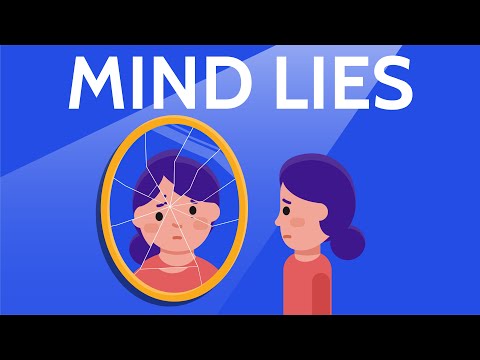
You know those days when your brain just seems to go on a wild ride? Like, you wake up and suddenly everything feels… off? Yeah, we’ve all been there.
Sometimes it’s not the outside world but what’s happening inside your head. Thoughts that twist reality into something way darker than it really is. Seriously, that’s a tough pill to swallow.
I mean, think about it—negative cognitive distortions can mess with your mood and how you see things. It’s like wearing glasses that only show the bad stuff! It can really take a toll on your mental health if left unchecked.
So, let’s chat about these tricky thought patterns. They can be sneaky little devils, but with some awareness and a bit of practice, you can challenge them! Sounds good? Let’s tackle this together!
Mastering Your Mind: A Comprehensive Guide to Challenging Cognitive Distortions (Free PDF Download)
Cognitive distortions are like little gremlins in your brain, twisting your thoughts into something unrecognizable. They mess with how you see yourself and the world around you. So, challenging those distortions is essential for getting your mental health back on track.
Let’s break it down a bit.
What Are Cognitive Distortions?
These are irrational thoughts that can lead to negative feelings and behaviors. Think about that time when you felt like a total failure after making one mistake at work. That’s an example of “all-or-nothing thinking.” You see it? It’s like wearing blinders—you only see the worst part of the situation.
Common Types of Distortions:
- All-or-Nothing Thinking: You either win or lose, no in-between.
- Overgeneralization: One bad experience means everything will always go wrong.
- Mental Filtering: You focus on the negative and ignore the positives.
- Diminishing the Positive: When you succeed, you brush it off as luck.
- Catastrophizing: You imagine the worst possible outcome all the time.
Now, these might sound familiar. I mean, we all have our inner critics, right? But here’s where it gets interesting; you can challenge these distortions!
How to Challenge Cognitive Distortions:
First off, awareness is key. Notice when those negative thoughts pop up. Keep a journal or use your phone to jot them down; whatever works best for you! Next step? Question those thoughts.
Ask yourself:
– Is this thought really true?
– What evidence do I have that supports or contradicts this thought?
– How would I view this situation if I were talking to a friend?
Let’s say you’re feeling anxious before a social event. Instead of thinking “Everyone will judge me,” try flipping that around with something like “I’ve had good conversations before.” It’s about reframing those pesky thoughts.
Your Mind: Your Muscle
Think of your brain as a muscle that needs exercise. The more you practice challenging those distorted thoughts, the stronger your mental resilience becomes! Seriously—it takes time and effort but trust me; it’s worth it in the long run.
You might also want to incorporate techniques from therapy approaches like **Cognitive Behavioral Therapy (CBT)** which focuses on changing unhelpful thought patterns into healthier ones.
Remember: It’s okay to seek help if things feel overwhelming or too tough to handle alone. Mental health professionals can provide support tailored just for you.
In summary, mastering your mind starts with recognizing cognitive distortions and having tools at hand to challenge them. It’s not an overnight fix; it takes practice and patience—like learning any new skill!
So go ahead! Take a moment today—grab that free PDF or whatever resource feels right—and start flipping those negative thoughts on their head! You’re in charge here; let your mind work for you instead of against you!
Transform Your Mindset: Download Our Guide on Challenging Negative Thoughts – Free PDF!
Challenging negative thoughts can feel like a major uphill battle. It’s totally normal to get caught in a loop of negative thinking, and these patterns are often called cognitive distortions. It’s like wearing glasses that only let you see the bad stuff. You know? Like, when you spill coffee on your shirt and suddenly think, «I always mess everything up.» But that’s not really true, right? Those kinds of thoughts can flip our whole day upside down.
So, what exactly is a cognitive distortion? Basically, it’s when your brain mistakenly filters information in a way that’s overly negative. Some common types include:
- All-or-Nothing Thinking: This is when you see things in black-and-white terms. If you don’t get an A on a test, you think you’re a failure.
- Overgeneralization: This happens when one bad event makes you feel like nothing will ever go right again.
- Negative Filtering: Focusing only on what went wrong while ignoring any positive aspects.
- Catastrophizing: You blow things out of proportion and expect the worst outcome possible.
Challenging these thoughts doesn’t mean pretending everything’s fine. It’s about looking at life with more balance. Think about Sarah, who freaked out after she didn’t get the job she applied for. Her mind raced with thoughts of being unemployed forever and failing in her career. But once she slowed down and examined those beliefs, she realized she had many other options to explore.
One helpful technique is to ask yourself some questions when those negative thoughts pop up:
- Is this thought really true?
- What evidence do I have that supports or contradicts this thought?
- If a friend were thinking this way, what would I tell them?
By doing this kind of mental check-in, you’re basically rewiring your brain—sort of like fixing that filter we mentioned before. It takes practice but can totally change how you feel day-to-day.
You might also want to try keeping a journal where you write down your negative thoughts and then challenge them head-on. Write out the evidence for and against those ideas. It’s amazing what you might discover about yourself!
Taking small steps towards changing your mindset can feel hard sometimes but remember: every little bit counts! So don’t be too hard on yourself if it takes time to shift out of those negative loops; you’re working on something significant here!
Downloadable Cognitive Distortions Worksheet PDF: Transform Your Thinking and Improve Mental Well-Being
Cognitive distortions, you know, are those sneaky little thoughts that twist your perception of reality. They can make every day feel like an uphill battle. But don’t worry! There’s a way to tackle these pesky thoughts head-on. A cognitive distortions worksheet can be super handy for this.
So, what exactly is a cognitive distortions worksheet? Essentially, it’s a tool you can use to recognize and challenge those negative thought patterns. You can find downloadable versions online as PDFs, which makes it pretty convenient to print out or even fill in digitally.
When you look at this sheet, you’ll notice it usually has sections for identifying thoughts, classifying distortions, and then challenging those thoughts. You might be like, «What do you mean by ‘classifying distortions’?» Well, here are some common types:
- All-or-Nothing Thinking: Seeing things in black-and-white terms. Like when you think if you aren’t perfect, you’re a total failure.
- Making broad conclusions based on a single event. If one presentation goes poorly, thinking you’ll always mess up.
- Catastrophizing: Expecting the worst-case scenario every time something doesn’t go right.
- Diminishing the Positive: Discounting good experiences or achievements by saying they don’t count.
So let’s say you’re staring at your worksheets and see the “Identify your thought” section. Maybe that thought is “I forgot my friend’s birthday; I’m a terrible friend.” That’s when you’d write that down and identify what kind of distortion is happening here—probably all-or-nothing thinking.
Then comes the challenging part! You’d move on the next section where you’d counter that thought with something like: “Forgetting one birthday doesn’t define my entire friendship.” This is where transformation starts to happen! By rewriting these negative scripts in your mind, you slowly improve your mental well-being.
The process isn’t always easy; it takes practice. But over time, regularly using this worksheet can help create healthier thought patterns. It’s like training a muscle—you get better with use!
And don’t forget: if writing isn’t your thing or feels heavy sometimes, talking through these distortions with someone else can also be beneficial. Whether that’s a therapist or even just a close friend who gets where you’re coming from.
In sum, tackling cognitive distortions isn’t just about feeling better in the moment; it’s about building resilience for future challenges too! If you’ve downloaded that worksheet and started using it? That’s already an awesome step toward transforming your thinking and nurturing your mental health!
You know, negative cognitive distortions can really mess with your head. It’s like you’ve got this little inner critic constantly chatting away, telling you lies about yourself and the world around you. I remember a time when I was stuck in this spiral of negative thinking. Every little mistake felt like proof that I was a total failure. It’s exhausting, right?
So, these cognitive distortions are basically patterns of thought that twist your perception—like seeing everything through a dark lens. You might catch yourself all or nothing thinking, where it’s either perfection or disaster—no in-between. Or maybe you jump to conclusions without any real evidence to back it up. Seriously, that can throw you off balance fast.
Challenging these thoughts isn’t easy, but it’s totally doable! The first step is just noticing when those sneaky thoughts creep in. You might think you’re just being realistic when you’re really being harsh on yourself. It helps to pause and ask yourself if there’s another way to look at the situation. Instead of “I blew it,” try “I didn’t do my best this time, but I can learn from it.”
And talking about feelings? Huge part of this whole process! Sharing what you’re going through with someone who gets it can lighten the load. I had a buddy who used to remind me—“Hey, your thoughts aren’t facts!” That simple reminder shifted my perspective so much.
Therapy can also be a game changer for dealing with these distortions. Cognitive Behavioral Therapy (CBT), for example, teaches you how to recognize and reframe those nasty thoughts into something more positive and grounded in reality.
Embracing self-compassion is key too! We’re all human; we all have moments of doubt or struggle. Treating ourselves with kindness changes the whole vibe—it invites growth instead of regret.
It takes some work and patience, but challenging negative cognitive distortions can lead to way more peace in your life. Just remember—you’re not alone in this journey!