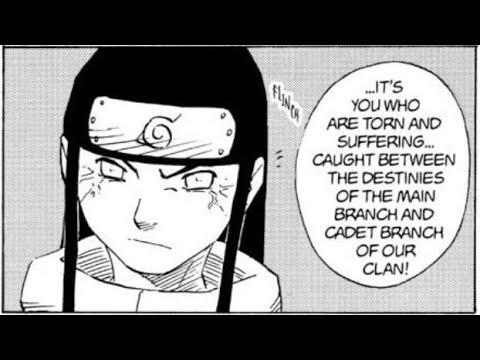
So, you know Neji Hyuga from Naruto, right? That guy’s got some serious skills. But what if I told you his personality type could actually shed light on his mental health?
Yeah, it’s kind of wild to think about how our personalities shape the way we handle stress and relationships. Like, you ever notice how different people react to similar situations?
Neji’s story is packed with ups and downs that totally fit into his MBTI profile. It’s not just about ninjas and jutsus; it’s also about inner struggles.
Let’s dig into how this character’s traits impact his overall mental wellbeing. You might find some surprising connections!
Discover Neji’s MBTI Type: Insights into His Personality and Character Traits
Neji Hyuga, from the anime series Naruto, is a character whose personality has sparked quite a bit of discussion among fans. When we think about his MBTI type, many argue he’s an INTJ—Introverted, Intuitive, Thinking, and Judging. Let’s break this down a bit.
Introversion: Neji tends to be more reserved. He often prefers to think deeply rather than engage in social gatherings. You might notice that he finds strength in solitude, probably honing his skills or reflecting on life. This reflects his introverted nature perfectly.
Intuition: He’s not just focused on what’s right in front of him; Neji thinks about the bigger picture too. His ability to perceive patterns and connections makes him quite insightful. For instance, he understands the limitations imposed by his clan and seeks ways to break free from them.
Thinking: Neji tends to rely on logic more than emotions when making decisions. You can see this when he faces challenges; he evaluates situations critically before acting. This trait might make him come off as cold or detached at times, but it helps him maintain clarity in tough scenarios.
Judging: He definitely has a structured approach to life. Neji likes planning things out and has a clear sense of order about how he wants things to unfold. This can be seen when he trains intensely and sets high expectations for himself—he sticks to his plans like glue!
Now let’s look at some character traits that come with this MBTI type:
- Determined: Once Neji sets his mind to something, there’s no stopping him.
- Skeptical: He questions traditions and believes in creating his own path.
- Mature: Compared to others his age, Neji exhibits incredible wisdom.
- Sensitive Underneath: While he presents a tough exterior, deep down, there are feelings at play—especially regarding family expectations.
So how does all this influence Neji’s mental well-being? Well, as an INTJ, he can often feel alienated or misunderstood due to his unique perspective on life. It’s like being the only one in the room who sees things differently; it can be isolating sometimes!
But wait—there’s more! His journey throughout the series shows us how important emotional expression is for someone like him. When Neji starts understanding that it’s okay to let people in and embrace vulnerability, you see huge growth in both his personality and mental state.
In essence, understanding Neji’s MBTI type shines a light on the complexities of his character and how they shape not just who he is but also how he navigates challenges related to mental health and personal growth.
Exploring the Link Between MBTI Types and Depression: Which Personalities Are Most at Risk?
When we talk about the connection between MBTI types and depression, it’s like peeking into a fascinating world of personalities. The Myers-Briggs Type Indicator (MBTI) categorizes people into 16 different personality types. Each type has its quirks, strengths, and vulnerabilities. Some folks wonder if certain MBTI types might be more prone to depression than others. Let’s break this down.
First off, **the emotional landscape** varies widely among the MBTI types. For instance, introverted types—like INFPs or INTJs—often feel deep emotions but might struggle to express them. This can lead to feelings of isolation or overwhelm, making them more vulnerable to depression.
When we look at **sensitive personality types**, they can also be at risk. Those with Feeling preferences (F) tend to take on the emotions of others deeply. Think about someone like an ENFJ or an ISFP; they often put others’ needs before their own, which can create a heavy emotional burden over time.
Now here’s where it gets interesting: **the “judging” vs. “perceiving” dynamic** plays a role too. Judging types (J)—like ENTJs or INFJs—like structure and control. If life throws them a curveball and things don’t go according to plan? Bam! They might feel stress piling up, which could lead down the slippery slope of depressive thoughts.
On the flip side, perceiving types (P)—such as INTPs or ESFPs—tend to be more adaptable but may struggle with commitment and follow-through. Their lighthearted approach can sometimes mask deeper issues until it’s too late.
Take Neji from “Naruto,” for instance; he’s often seen as an **INTJ** type with strong ideals yet has dealt with significant inner turmoil due to expectations and family pressure. His story shows that even seemingly strong personalities can face mental health struggles under pressure.
Another point worth mentioning is that **environmental factors** play a huge role too! A person with any MBTI type who goes through tough life experiences—like loss, trauma, or chronic stress—could be at risk for depression regardless of their type.
Lastly, let’s keep in mind that no specific MBTI type is destined for depression; it’s all about the interplay between personality traits and life experiences. Each person is unique and deserves a tailored approach when it comes to mental well-being.
In summary:
- Introverted types often feel deep emotions which can lead to isolation.
- Sensitive personalities take on others’ emotions heavily.
- Judging vs Perceiving: Some crave structure while others seek flexibility.
- Environmental factors greatly influence mental health beyond personality.
So there you have it! Understanding how your MBTI type interacts with your mental health isn’t just interesting; it can also help you figure out what support you need when times get tough.
Exploring Anxiety: Which MBTI Personality Types Are Most Affected?
Anxiety is one of those things that can feel like a shadow lurking in your life, always there but sometimes hard to pin down. If you’re curious about how different personality types deal with anxiety, specifically through the lens of the Myers-Briggs Type Indicator (MBTI), then you’re in for an interesting ride. Let’s break it down, shall we?
First off, it’s important to recognize that not everyone experiences anxiety the same way. Each MBTI personality type has its quirks and tendencies, which can affect how they handle anxious feelings. For example:
- INFPs often internalize their emotions and may struggle with anxiety because they take on the weight of the world. They feel deeply and can get overwhelmed by their own thoughts.
- ISFJs are very dependable and want to please others. This can lead them to face anxiety when they feel they’ve let someone down or if things are out of order.
- ENFJs, on the other hand, are often sociable and thrive on connections. But this can also make them anxious if they sense disharmony in their relationships or have too much on their plate.
Now, let’s talk about Neji from Naruto, who’s often typed as an INTJ. INTJs are known for being strategic thinkers but can fall into deep wells of anxiety when things don’t go as planned, or when their high standards aren’t met. I mean, remember that moment when Neji was grappling with the pressure of expectations? That’s a classic INTJ struggle!
Looking at it from another angle, some types manage anxiety better than others due to their coping styles:
- Sensing Types (like ESTPs) tend to focus on the present moment and find distractions easily. They may not dwell too long on anxious thoughts.
- (like ENFPs) might get caught up in their imagination and future possibilities, which can amplify feelings of anxiety if they’re not careful.
Each personality type gives us insight into how people navigate life’s ups and downs. But remember: while MBTI offers some clues about tendencies, it doesn’t fully define someone’s mental health journey.
You know what else is cool? Understanding your own MBTI type might help you find tools to manage anxiety better! For instance, if you see yourself as an INTP who overthinks everything—acknowledging that tendency might just be your first step towards finding grounding techniques that suit you best.
So yeah, exploring how different MBTI types deal with anxiety not only illuminates our differences but also helps us appreciate our shared human experience—one where we all face challenges in unique ways!
Alright, so let’s chat about Neji from “Naruto” and his MBTI profile. You know, he’s one of those characters that really draws you in. On the surface, he seems super cool and collected with that tough exterior. But there’s just so much more beneath that calm facade.
If we’re putting him in an MBTI box, I’d say he’s probably an INTJ—Introverted, Intuitive, Thinking, Judging. He tends to keep to himself, right? Always calculating his next moves and thinking several steps ahead. That kind of mindset can be a double-edged sword though. While it helps him strategize in battle and deal with life’s challenges, it can also lead to some intense internal struggles.
Take his backstory; Neji’s had this heavy pressure from being part of the Hyuga clan’s branch family. Not only did that create expectations for him, but it also shaped how he views himself and others around him. Like when he believed fate dictated everything—this idea really boxed him in mentally. You can almost feel the weight on his shoulders every time he expresses his frustrations or doubts about life.
That pressure must’ve taken a toll on his mental wellbeing, which is something many people can relate to. Think about how often we feel trapped by our circumstances or roles in life—it’s exhausting! Neji had this intense journey of self-discovery and breaking free from those chains of destiny. It was like peeling off layers of armor he built around himself over the years.
For someone like Neji, understanding his MBTI type could have helped him realize that it’s okay to not have everything figured out all the time. It might have encouraged him to seek connections with others instead of isolating himself behind walls of intellect and strategy. There’s definitely beauty in vulnerability—something he had to learn the hard way.
So yeah, when you think about Neji’s INTJ traits and their impact on mental health, it really does open up a conversation about how personality influences our experiences and perceptions. Our traits shape us but don’t define us completely. And as we see Neji evolve throughout “Naruto,” it becomes clear that growth is always possible—even if it’s messy or painful at times!