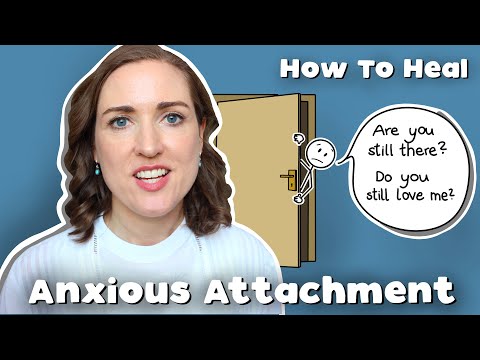
Hey there! So, let’s chat about something pretty interesting—nervous attachment. Have you ever felt a bit on edge in your relationships? Like, you’re worried your partner might leave or that you’re not good enough?
Yeah, that’s the kind of vibe nervous attachment brings in. It’s like carrying this heavy backpack filled with insecurities. Seriously, it can really shake things up in how we connect with others.
But don’t sweat it! You’re definitely not alone in this. A lot of people get tangled up in these feelings, and it can seriously affect our wellbeing. Let’s dig into what nervous attachment is all about and how it plays a role in our love lives and mental health. Sound good?
Understanding Nervous Attachment: Its Impact on Relationships and Well-Being – Downloadable PDF Guide
Nervous attachment can really shake things up in relationships. It’s this style of connecting with people that often stems from our early experiences with caregivers. You might notice that your heart races when your partner is late, or you constantly seek reassurance. That’s nervous attachment at work.
People with this attachment style typically crave closeness but also fear being abandoned. It’s like living in a constant tug-of-war between wanting to be loved and fearing the very love you desire. You follow me? This back-and-forth can lead to some serious ups and downs in your relationships.
What does nervous attachment look like? Well, here are a few signs:
- Feeling anxious when away from loved ones.
- Overthinking texts or calls if they seem too short or don’t come at all.
- Difficulty trusting others, even if they’ve done nothing wrong.
Imagine Rachel, who always felt like she had to prove her worth in her relationships. When her boyfriend started pulling away for a bit, she spiraled into anxiety. She thought he was losing interest and started texting him constantly for reassurance. That loop of worry can really drain your emotional battery.
The impact on well-being is significant too. When you’re always on edge, it takes a toll on your mental health. Stress levels soar and you might find yourself struggling with anxiety or even depression over time. It’s hard to find peace when you feel insecure about those close connections.
Now let’s talk about how this affects relationships specifically. Nervous attachment can create patterns that might be hard to break:
- You might push people away out of fear of getting hurt.
- Your partner could feel overwhelmed by your neediness.
- You may frequently question their feelings, leading to conflict.
Take Mark—he loved his girlfriend but often felt she was too needy for his liking. It made him pull away even more, reinforcing her fears of abandonment! This cycle just keeps spinning unless something changes.
So what can you do? This is where self-awareness comes in handy! By recognizing your patterns, you can start working on them. Therapy can be a major help here; it allows you to explore those early attachments and understand how they influence your current behavior.
You might also practice mindfulness techniques to help calm that nervous energy when it flares up—things like deep breathing or grounding exercises could be lifesavers!
In short, understanding nervous attachment isn’t just about identifying traits; it’s about embracing change for healthier connections and improved well-being. If you’re feeling stuck in this cycle, remember: you’re not alone! There’s always hope for growth and healing on the horizon.
Overcoming Anxious Attachment Style in Relationships: Strategies for Lasting Connection
Overcoming anxious attachment in relationships can feel like a heavy weight on your shoulders—and, look, if you’ve ever felt that way, you’re definitely not alone. This type of attachment often leads to constant worries about being abandoned or not being good enough for your partner. It can make relationships feel like a rollercoaster—exciting but also kind of terrifying.
You know, when someone has an anxious attachment style, they might frequently seek reassurance from their partner. There’s this nagging fear that things might go wrong at any moment. It’s like being on constant alert for signs of trouble in the relationship. Seriously, not fun!
Now let’s get into some strategies to help manage this style:
- Self-awareness: Recognizing your feelings is the first step towards change. Take time to check in with yourself when you start feeling anxious. Why are you feeling that way? Is it something specific or just a general vibe?
- Open communication: This one’s crucial! Talk openly with your partner about your feelings and fears. This helps build trust and understanding between both of you. A simple «Hey, I’m feeling anxious today» can go a long way.
- Challenge negative thoughts: When anxiety kicks in, our minds can spin wild stories—like thinking your partner is upset with you over something small. Try to challenge those thoughts: Is there evidence for them? Are they just assumptions?
- Practice self-soothing: Find what calms you down when anxiety strikes! Some folks enjoy deep breathing exercises, while others might prefer listening to music or taking a walk.
- Set healthy boundaries: It’s important to communicate what works for both of you in the relationship. Setting boundaries keeps things balanced and helps reduce anxiety.
Let me share a quick story: I knew this couple where one person would panic if their partner didn’t text back right away. They’d spiral into worries about why they weren’t responding—maybe they were bored or didn’t love them anymore? But once they started talking about these fears honestly, everything changed! They learned that sometimes life gets busy and messages slip through the cracks—not an indication of love lost.
The thing is, breaking out of an anxious attachment style takes time and effort—but it’s totally possible. As you practice these strategies, you’ll likely find yourself feeling more secure and connected in your relationships.
In closing (not that we’re actually closing anything), remember that it’s perfectly fine to seek help if it feels overwhelming at times—talking to a therapist can really help too! Just take it one step at a time, be patient with yourself, and know that lasting connections can truly flourish even amidst those early anxieties.
Understanding Secure and Anxious Attachment Styles: How They Impact Relationships
Understanding attachment styles is key to figuring out how you connect with others. There’s this idea called attachment theory, which suggests that the way we attach to our caregivers in childhood impacts our relationships later on. So, let’s chat about the two main styles: secure and anxious.
Secure attachment is like finding your groove in a relationship. People with this style feel comfortable with intimacy and aren’t scared of depending on someone else—or being depended on. They usually had caregivers who were responsive when they were little, so they learned that love is a safe space. For example, think of someone who lends a listening ear when you’re down and genuinely cares about your feelings. It’s this mutual support that flourishes in secure relationships.
On the flip side, we have anxious attachment, which can feel like riding an emotional rollercoaster. Folks with this style often worry about their partner’s commitment or love for them. This anxiety typically stems from inconsistent caregiving during childhood—maybe one parent was nurturing sometimes but distant at others. Imagine feeling your heart race every time you get a text from your partner because you’re unsure how they really feel about you.
Now, let’s break down how these styles play out in real-life relationships:
- Communication: Secure folks are usually open and honest about their feelings. Anxious types might struggle here; they could clam up or over-explain their worries.
- Conflict resolution: Secure individuals handle disagreements calmly, while anxious people might blow things out of proportion—leading to unnecessary drama.
- Trust: Securely attached individuals trust their partners easily. Anxiously attached folks may find themselves questioning everything—like why their partner took too long to reply.
- Emotional dependence: Those with secure attachments balance dependence well; anxious types may cling too tightly because they’re scared of losing their loved ones.
So why does this matter? Well, understanding these styles can help you navigate your own relationships better. If you’re aware that you’re anxious, it’s easier to recognize when those feelings might be getting out of hand.
Think back to a time when you felt super anxious in a relationship—maybe it was because your partner didn’t text back right away? Those feelings can stem from past experiences and knowing that can help lighten the load.
In therapy or conversations with trusted friends, acknowledging these patterns can be the first step toward growth. Whether you’re seeking reassurance constantly or feeling secure already, understanding where you stand helps build healthier connections.
Remember, it’s totally possible to change your attachment style! With work and awareness (sometimes through therapy), anxious individuals can learn to embrace more secure behaviors over time. Just like any journey worth taking, it’s not always easy but definitely worth it in the long run!
Nervous attachment is one of those things that can really twist up your relationships if you think about it. It’s like when you’re constantly worried about whether your partner will stick around or if they really care. You might find yourself getting anxious over the smallest things. Maybe you get a text and it takes a little too long to respond, and suddenly you’re spiraling into thoughts that, like, everything is falling apart. I mean, we’ve all been there, right?
This kind of attachment often stems from childhood experiences. When we didn’t quite feel secure growing up—like maybe our caregivers were inconsistent or just not present—it can leave a mark on how we connect with others as adults. It’s wild how those early experiences shape our adult lives without us even realizing it.
Imagine this: you’re in a relationship, everything seems fine at first. But then you start noticing every little detail that feels off. You might think your partner isn’t paying enough attention or that they’ll leave for someone better. And there you are stressing over it instead of enjoying the moment—seriously, what a bummer! You end up so focused on the potential for rejection that it clouds your happiness.
I remember a friend who would go through this—she had a boyfriend who loved her dearly but her anxious thoughts kept creeping in. She’d question his love over the tiniest things: like if he was late coming home from work or forgot to call during lunch break. It took a toll on both of them; she felt insecure, and he felt confused about why she was constantly worried.
Nervous attachment doesn’t just affect romantic relationships either. It seeps into friendships and even professional connections. When you’re always second-guessing people’s intentions, it can make life feel pretty lonely and stressful.
Addressing this kind of attachment isn’t always easy, but recognizing it is the first step towards change. Believe me when I say therapy can do wonders here! Talking things out with someone who gets it helps unpack those feelings and leads to healthier patterns.
In the end, forming secure attachments is key for our wellbeing—it helps us build stronger connections where we don’t live in fear of losing someone every single day. So take heart; understanding these patterns can set the stage for way more fulfilling relationships moving forward!