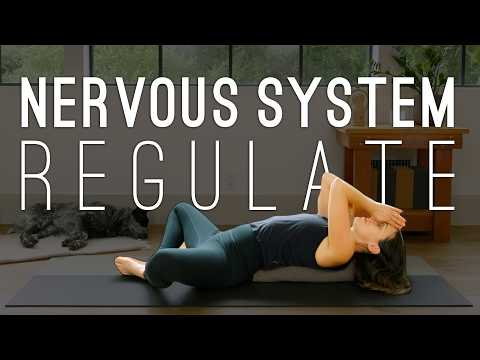
Hey there! You know those days when your brain feels like it’s running a million miles an hour? Yeah, we’ve all been there. Stress, anxiety, whatever you wanna call it—it can totally take over.
But here’s the thing: your nervous system is like this superhero inside you, ready to help out. It just needs some love and care. That’s where regulation exercises come in. They’re simple and kinda fun!
Think of them as little tools to help you chill out and find your balance again. Seriously, it’s all about feeling good in your skin and calming that overactive mind.
So, let’s dive into some cool exercises that can seriously boost your mental wellbeing!
Mastering Emotional Regulation: Essential Techniques for a Healthier Nervous System
When it comes to emotional regulation, it’s all about managing those intense feelings that pop up from time to time. You know, like when you’re super stressed out or feeling kind of anxious? The way you handle those emotions has a big impact on your overall mental wellbeing.
So, let’s break down a few essential techniques for mastering this emotional regulation thing. Remember, everyone’s different, so what works for you might be a bit different from what works for someone else. Here are some thoughts to consider:
- Mindfulness: This is like a big fancy word for paying attention to the present moment without judgment. You might find it helpful to do some breathing exercises or simply sit quietly and tune into what you’re feeling. When I first tried mindfulness, I felt like my brain had been in a constant race. Slowing down showed me how much I was missing.
- Deep Breathing: Seriously, just taking deep breaths can shift your whole mood. Like, take a slow breath in through your nose, hold it for a few seconds, then exhale through your mouth. Repeat that a few times and notice how things start to chill out inside.
- Body Movement: Get moving! Whether it’s dancing in your living room or going for a walk around the block—get that body engaged! It doesn’t have to be anything intense; just moving can help shake off some pent-up emotions.
- Talking It Out: Sometimes talking with someone you trust can help lighten the load of overwhelming feelings. It’s like letting some air out of a balloon; if you don’t talk about it, pressure builds up and things could end up exploding!
- Grounding Techniques: This involves connecting with your senses to bring yourself back to reality. Try focusing on five things you can see or four things you can touch around you right now. It sounds simple but really helps anchor those swirling thoughts.
Now think about these techniques as tools in your emotional toolbox—the right one could make all the difference! Practicing them regularly means you’re not just loading up on skills; you’re training your nervous system to respond better when life throws curveballs.
And here’s something interesting: When we practice these techniques often, we’re actually wiring our brains for better responses over time. It’s like building muscle; the more we practice emotional regulation, the stronger our ability becomes.
So next time you’re feeling overwhelmed or tense, remember there’s always something you can do about it. Emotional regulation isn’t about ignoring or suppressing feelings; it’s actually embracing them in a way that creates more peace within yourself—like finding calm in the storm.
In short, mastering emotional regulation is an ongoing journey rather than an end destination. Give yourself grace along the way because every little step counts!
Essential Nervous System Regulation Techniques: Download Your Free PDF Guide
Alright, so let’s talk about nervous system regulation techniques. You know how, sometimes, life just throws a ton of stress your way? Well, your nervous system reacts to that stress, and being able to manage it can really make a difference in how you feel day-to-day. Here are some essential techniques you might find helpful.
Deep Breathing
This one’s a classic and for good reason. Deep breathing helps activate your body’s relaxation response. Basically, when you slow down your breath, you’re sending signals to your brain that it’s time to chill out. Start by inhaling deeply through your nose for a count of four, holding for a count of four, and then exhaling slowly through your mouth for another four counts. Repeat this several times.
Grounding Exercises
Grounding techniques are all about bringing you back to the present moment. You might try the 5-4-3-2-1 exercise: Identify five things you can see around you, four things you can touch, three things you can hear, two things you can smell (or remember the scents), and one thing you can taste. This helps shift focus from overwhelming feelings or thoughts.
Progressive Muscle Relaxation
This technique involves tensing and then relaxing each muscle group in your body. It’s like giving every part of yourself some TLC! You start at your toes and work up to your head (or vice versa). Tense each muscle for about five seconds before releasing it. You’d be surprised how much relaxation comes from just being aware of tension in your body.
Movement or Exercise
Moving your body is really effective too! It releases endorphins which help boost mood and reduce anxiety. Whether it’s yoga, dancing in your living room or going for a jog—find what works for you! Even just stretching can help relieve that tightness from stress.
Mindfulness Meditation
Mindfulness is all about focusing on the here and now without judgment. Find a quiet space where you won’t be disturbed—and yes, even five minutes counts! Sit comfortably and concentrate on those thoughts that come into play; instead of fighting them off like they’re bad guys trying to crash a party, acknowledge them like old friends passing by.
These techniques are simple but seriously powerful tools for managing stress within yourself. The more you practice them, the easier it becomes to tap into this sense of calm when life gets hectic.
Finally, if you’re looking for more detailed exercises or guidance on these methods—hey—there’s often stuff out there like free PDFs or guides people have put together that dive deeper into these practices! Just remember: taking care of yourself is key in navigating that rollercoaster called life.
Effective Strategies for Healing a Dysregulated Nervous System
Dealing with a dysregulated nervous system can feel like riding a rollercoaster. One minute you’re up; the next you’re down. It’s exhausting, right? The good news is that there are effective strategies to help you regain control and find some balance.
Understanding your nervous system is the first step. It has two main parts: the sympathetic nervous system, which kicks in when you’re stressed (think fight or flight), and the parasympathetic nervous system, which helps you relax. When these systems get out of whack, it can lead to all sorts of emotional chaos.
So, what are some ways to help heal this dysregulation? Let’s break it down:
- Breathing exercises: Simple but powerful. Try deep breathing—inhale deeply through your nose for four counts, hold for four counts, and exhale through your mouth for six counts. It calms your mind and body.
- Grounding techniques: This means bringing yourself back to the present moment. You could try the 5-4-3-2-1 method where you name five things you see, four things you can touch, three things you hear, two things you smell, and one thing you taste. It’s like saying “Hey brain! Focus here!”
- Movement: Get your body moving! Whether it’s a stroll in the park or dancing around your living room, movement helps release built-up stress. Plus, it boosts those feel-good hormones.
- Meditation: Even if just for a few minutes each day. You don’t need to be a guru; just find a quiet spot and sit still—focus on your breath or use guided meditations available online.
- Nature therapy: Spending time outside does wonders for your mental health. Go for a hike or simply sit by a tree; nature has this magical ability to soothe our frayed nerves.
- Cognitive Behavioral Therapy (CBT): If everything feels overwhelming, talking to someone trained in CBT can really help reshape those negative thought patterns that keep firing off in your mind.
- Create routines: Structure brings comfort when life feels chaotic. Having predictable activities can help soothe your nervous system; something as simple as making morning coffee at the same time daily can ground you.
Sometimes I think back on my friend Jen who really struggled with anxiety after losing her job unexpectedly. She felt like her whole life was spiraling out of control—heart racing all day and sleepless nights were her new normal. But she discovered grounding techniques: she would stand outside barefoot on grass when feeling overwhelmed; focusing on how cool the earth felt calmed her racing thoughts.
Healing takes time; it won’t happen overnight but remember this: every little thing you do adds up to big changes over time! So be gentle with yourself while you’re working through this journey of nervous system regulation—you deserve that space to grow.
You know, sometimes life just gets overwhelming. Maybe you’ve had one of those days where you feel jittery and anxious and can’t quite pinpoint why. It’s like your body is stuck in overdrive, and you’re just trying to find a way to hit “pause.” That’s where nervous system regulation exercises come into play.
These exercises are like little reset buttons for your mind and body. They help calm things down when everything feels chaotic. I remember a time when I was juggling work stress, personal issues, and just life in general—it was a lot! I started incorporating some simple techniques into my daily routine, and honestly, they made a world of difference.
One of my favorites is deep breathing. Sounds simple enough, right? But it’s all about how you do it. When stress hits, taking slow breaths can really help ground you. Just close your eyes for a minute, inhale deeply through your nose like you’re filling your belly with air—hold it for a second—and then exhale slowly through your mouth. It’s amazing how something so basic can carm those racing thoughts.
Another thing that helped me was progressive muscle relaxation. You basically tense up different muscle groups for a few seconds and then let them go one by one. It’s wild how much tension we hold in our bodies without even realizing it until we consciously release it—kind of like stretching after sitting too long.
And let’s not forget about movement! Seriously, whether it’s going for a walk or dancing around your living room like no one’s watching, getting that energy out can really shift how you feel mentally. When my mind gets cloudy, moving my body usually clears things up pretty quick.
So yeah, these exercises aren’t just some trendy wellness fad; they’re tools we totally need in our toolbox of self-care. They remind us to check in with ourselves because sometimes we get so caught up in the hustle that we forget our own wellbeing matters too. It’s all about finding what works for you and making it part of your routine—even if it’s just five minutes here or there throughout the day.
And hey, if there are days when these techniques don’t seem enough? That’s cool too! Just don’t hesitate to reach out for extra support if you need to—because mental well-being is super important. Keep taking care of yourself; you’ve got this!