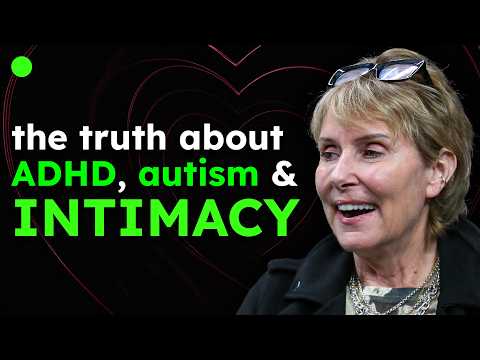
So, let’s talk about relationships. They can be tricky, right? Now, throw in neurodivergence—like ADHD or autism—and things might get even more tangled. It’s like trying to solve a Rubik’s Cube while riding a bike.
You might feel frustrated at times, unsure how to connect, or what your partner is thinking. Communication styles differ, and that’s totally okay! Sometimes it just takes a bit of extra effort. Who said love was easy anyway?
Couples therapy can be a real game changer for neurodivergent couples. I mean, seriously! It offers a safe space to figure things out together, like some kind of relationship roadmap. It helps you both understand each other better.
Think of it as having an expert in your corner who gets the quirks and can help navigate the challenges. So let’s explore how this whole couples therapy thing works and why it might just be what you need!
Exploring the Divorce Rate Among Neurodivergent Couples: Insights and Statistics
The world of relationships can be pretty complicated, right? For neurodivergent couples—those where one or both partners might be autistic or have ADHD, for instance—things can get even trickier. Studies show that the divorce rate among neurodivergent couples is higher than the norm, which is something worth talking about.
Statistics suggest that about 70% of marriages in which one partner is autistic end up in divorce. This number can seem daunting. It’s important to remember that these figures don’t tell the whole story but highlight some real challenges these couples face.
One major reason for this high rate is communication. Look, neurodivergent individuals may process emotions and social cues differently. This can lead to misunderstandings and conflicts that feel insurmountable. For example, let’s say one partner is more literal-minded, while the other tends to pick up on subtle hints. Conversations can turn into a game of “guess what I mean,” leading to frustration on both sides.
Another factor is emotional regulation. Neurodivergent individuals might struggle with managing their emotions in stressful situations. Can you imagine having an emotional meltdown when all you really want is a hug? These moments can create rifts between partners if they’re not addressed properly.
Also, there’s often a difference in expectations between partners. Neurodivergent people might have different ideas about intimacy or household responsibilities than their neurotypical counterparts. If those expectations aren’t communicated openly, resentment can build up like water behind a dam until it bursts.
- Understanding each other’s communication styles is crucial.
- Emotional support needs differ significantly.
- Managing stressors from daily life requires teamwork.
Now, let’s talk about therapy! Couples therapy specifically focusing on neurodivergent relationships can be super helpful. A therapist familiar with these dynamics can provide personalized insights and coping strategies tailored to each couple’s needs. It’s like having a map when you’re navigating a really tough maze.
Finding the right therapist who understands both neurodiversity and couple dynamics makes all the difference. With their help, partners learn how to express their feelings without triggering conflict and figure out practical solutions together.
In sum, while the statistics around divorce rates among neurodivergent couples might seem discouraging, understanding communication patterns and emotional needs can pave the way for healthier relationships. Every relationship has its ups and downs—you just have to find your way through them together!
Exploring the Gottman Method: Is It Effective for Neurodivergent Couples?
The Gottman Method is pretty popular in the world of couples therapy. Developed by Dr. John Gottman, it’s all about helping partners understand each other better and strengthen their relationships. But when it comes to neurodivergent couples—those with one or both partners on the autism spectrum, for example—the effectiveness can vary quite a bit.
So, what’s the deal with neurodiversity? Neurodivergent individuals often process emotions and communicate differently. This makes traditional approaches to therapy sometimes a bit tricky. Typical strategies might not resonate or be effective for everyone involved. You know what I mean?
One of the main components of the Gottman Method is helping couples improve their communication skills. It encourages partners to share their feelings openly and listen actively to each other. For neurodivergent people, this can be challenging due to differences in social cues or emotional expression.
Key features of the Gottman Method include:
Now, here’s where it gets interesting: while these tools are useful, they may need some tweaking for neurodivergent couples. Sometimes, traditional emotional expression methods can feel overwhelming or confusing for them.
Take a couple I know—let’s call them Alex and Jamie. Alex is on the spectrum and often struggles with expressing feelings verbally. When attending sessions using the Gottman Method, Alex found it hard to share emotions during emotionally focused conversations because it felt too pressure-filled.
To adapt, their therapist suggested using structured activities that encouraged expression without putting Alex on the spot every time. They worked together on exercises like writing letters to each other rather than speaking face-to-face immediately—just a little breathing room made a big difference!
Another thing is that recognizing those «Four Horsemen» requires awareness of both partners’ communication styles. For example, if Jamie tends to criticize as a way of seeking improvement but doesn’t realize how it comes off to Alex, there’s bound to be friction.
That’s why therapists who understand neurodiversity are super important here! They can help translate those concepts into something more relatable for both partners.
A few tips for success with the Gottman Method in neurodivergent relationships could include:
In short, while the Gottman Method has solid tools at its core, its effectiveness really depends on how well you adapt those tools for neurodivergent dynamics in your relationship. Finding that sweet spot where both partners feel heard is totally essential!
Understanding Relationships: The Unique Challenges Faced by Neurodivergent Individuals
Understanding relationships can be quite a ride, especially for neurodivergent individuals. We’re talking about folks with brain differences like autism, ADHD, or dyslexia. Navigating emotions and connections in relationships can bring unique challenges to the table. It’s not just about love; it’s also about communication styles and emotional needs.
Communication is often key. For example, some neurodivergent individuals might be more direct in their speech. This can come off as blunt or rude to someone who isn’t used to it. Imagine having a conversation where one person shares feelings honestly while the other feels attacked. Misunderstandings like these can create friction in a relationship.
Then there’s emotional processing. Neurodivergent folks might experience emotions differently—intensely or even in a delayed way. They could react strongly to stressors that others brush off, leading to conflicts over what might seem trivial to someone else. Let’s say one partner has an emotional meltdown over a surprise change in plans, while the other is just annoyed but doesn’t understand why it gets taken so hard.
Also important are sensitivity levels. Some neurodivergent individuals have heightened sensory sensitivities. They might struggle with loud noises or bright lights, which can affect social situations like restaurants or parties. If their partner doesn’t get this sensitivity, it could lead to frustration. Imagine planning a fun night out that ends up feeling overwhelming instead.
What about social expectations? Society often has norms for dating and relationships that assume everyone operates the same way. This can make things tricky for neurodivergent couples who may not align with those norms. For example, one partner might prefer more alone time than the other guesses is «normal,» leading to misunderstandings about commitment or intensity of feelings.
Here’s where couples therapy comes into play! A good therapist understands these dynamics and helps both partners express their needs better—and that’s huge! With professional help, they can learn strategies tailored to their unique experiences.
In therapy sessions, you could work on developing communication skills, practicing active listening techniques, and finding your own ways of expressing affection that feel right for both partners. Plus, therapy offers a safe space where each person for sure gets to share their feelings without fear of judgment.
Sometimes it helps if both partners educate themselves about each other’s neurological make-up—even beyond just knowing terms like «autism» or «ADHD.» Learning what those mean for everyday life opens doors to empathy and understanding!
Lastly, remember that every relationship is different—you know? What works wonders for one couple may not cut it for another. That’s part of the beauty and challenge of love; discovering what makes your dynamic tick while respecting each other’s individuality.
So yeah, with patience and open communication alongside tools from couples therapy tailored specifically towards neurodivergent experiences, navigating these challenges becomes much easier—and honestly? Kind of beautiful in its own way!
You know, relationships can be tricky, right? Throw in the complexities of neurodivergence, and things can get even more interesting. When I think about couples therapy in this context, it’s like a whole new world opens up.
So let’s say you’ve got a couple where one partner is diagnosed with ADHD, and the other has autism. They might struggle with communication in ways that neurotypicals don’t quite understand. Like, maybe one partner needs a lot of direct communication, while the other might feel overwhelmed by too much input. This is where couples therapy can really shine. It offers that safe space to explore feelings.
I remember a friend of mine who went through something similar. She was always frustrated because her partner seemed to miss cues that were so obvious to her. But in therapy, they learned he processed things differently—kind of like how some people see colors vividly while others see them faded. Once they understood each other better, things shifted significantly for them.
In therapy sessions tailored for neurodivergent couples, therapists often focus on understanding and adapting to each other’s perspectives. It’s not about changing who you are but rather learning how to navigate life together without feeling lost or unheard.
And here’s the thing: it’s super empowering! You’re not just surviving; you’re actively working toward thriving as a couple. You might discover new ways to express love or even set boundaries that work for both of you—like when it’s okay to have alone time or how to approach conflict without causing more chaos.
So yeah, if you’re in a neurodivergent relationship and feeling stuck, don’t hesitate to reach out for help. Couples therapy can be that bridge over misunderstandings and make your connection stronger than ever before!