You know that feeling when you’re just stuck in a fog? Like, everything feels heavy, and you can’t quite shake it off? Yeah, that’s depression for you.
But here’s the thing: there’s this interesting approach called neurofeedback therapy that some people are finding super helpful. It’s like training your brain to chill out and do its thing better. Pretty wild, right?
Imagine being able to see what your brain is up to in real time. Sounds cool, huh? Not everyone knows about it yet, but it could be a game-changer for those looking for relief from depression.
Let’s dig into what this is all about!
Exploring Neurofeedback: Its Effectiveness in Treating Depression
Neurofeedback, huh? It’s an interesting topic that’s been buzzing for a while now, especially regarding its role in treating depression. At its core, neurofeedback is a type of biofeedback that focuses on training your brain. The idea here is to help you learn how to regulate your brain waves, so you can potentially improve your mood and overall mental health.
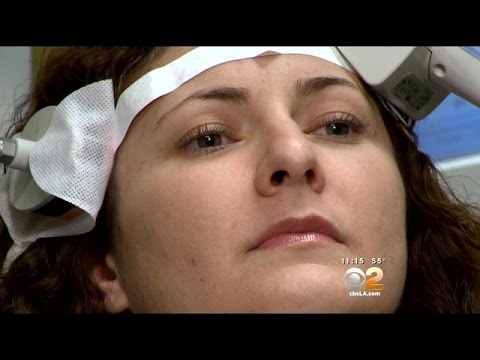
So, how does this actually work? Well, during a neurofeedback session, electrodes are placed on your scalp. They basically measure your brain’s electrical activity, called brain waves. A computer turns this data into real-time feedback, often visual or auditory signals, which helps you see when your brain is functioning in an optimal state. You might be thinking: “Okay, but can this really help with depression?” Good question.
Research has shown some promising results for folks dealing with depression. Some studies suggest that neurofeedback can lead to reduced symptoms over time. Patients have reported feeling better after several sessions. It’s like retraining your brain to produce the right frequencies that promote happiness and calmness—even if it sounds too good to be true!
Now let’s talk about what specific types of brain waves are involved here. Alpha waves are linked to relaxation and calmness while beta waves relate to alertness. Some research indicates that depressed individuals may have too much delta and theta activity (which are slower frequencies), and not enough alpha and beta activity. By focusing on enhancing those faster frequencies through neurofeedback, the hope is that people can lift their mood.
You might wonder about the actual effectiveness of this method compared to traditional treatments like therapy or medication. Well, the thing is every person responds differently—what works wonders for one individual might not do much for another, you know? Some people find significant relief through neurofeedback alone while others see it as a complementary option alongside other treatments.
However, it’s important to keep expectations grounded. Neurofeedback isn’t a quick fix—it usually requires multiple sessions over weeks or even months before any noticeable improvements kick in. And while many people report feeling less depressed after treatment, more research is needed to fully understand who will benefit most from it.
And let’s talk about safety—neurofeedback generally has minimal side effects compared to medications. Because there aren’t any drugs involved here; it relies primarily on training rather than altering chemical levels in the body.
In essence, when considering neurofeedback for depression treatment:
- It trains the brain by providing real-time feedback.
- It targets specific frequencies associated with mood improvement.
- Results vary widely across individuals.
- It often requires commitment over several sessions.
- Side effects are usually minimal.
So yeah! Neurofeedback presents an exciting avenue for tackling depression; just remember it’s all about individual needs and preferences in mental health care options. There’s still plenty more research going on!
Unlocking Relief: How Many Neurofeedback Sessions Are Needed for Effective Depression Treatment?
Neurofeedback therapy is a pretty intriguing approach for treating depression. In a nutshell, it’s like brain training, where you get real-time feedback on your brain waves. This helps you learn to control your mental state better. Now, when it comes to how many sessions you might need, well, let’s look into that a bit.
First off, the number of sessions can really vary from person to person. Some people might start feeling better after just a handful of sessions, while others may need more time. It really depends on several factors:
- The severity of the depression: If someone is dealing with mild depression, they might see improvements quicker than someone who’s struggling with severe symptoms.
- Personal neurofeedback goals: Are you looking for general relief or more specific changes? That can shift how many sessions you need.
- Your response to therapy: Some brains respond faster to neurofeedback than others. You know what I mean?
- The therapist’s approach: Different therapists might have different protocols or timelines that they prefer.
Usually, practitioners recommend anywhere from 20 to 40 sessions for significant improvement. This could mean weekly sessions for a few months until you reach the desired outcome. So think about it—if you’re committed and able to stick with it, those months can really change things for the better.
I remember talking with someone who really struggled with depression for years. They started neurofeedback therapy feeling skeptical but hopeful at the same time (totally relatable). After about 15 sessions, they noticed they were less anxious and more engaged in life—like our conversations became filled with laughter again! It was heartwarming to see such change.
But here’s the kicker: neurofeedback isn’t a magic pill—it takes time and effort. You gotta be patient with yourself in this journey. Plus, combining neurofeedback with other therapies like talk therapy or medication can sometimes boost your progress even more.
In summary, while there isn’t a one-size-fits-all answer for how many sessions you’ll need for effective treatment of depression through neurofeedback therapy, being open and flexible can help you find what works best for *you*. With dedication and support from your therapist—and maybe even some new tools learned along the way—you could really be on your path toward finding relief from depressive symptoms!
The Ultimate Guide to Choosing the Best Antidepressants for Major Depressive Disorder
So, let’s chat about antidepressants and how they relate to something like neurofeedback therapy for major depressive disorder (MDD). This is a topic that can feel pretty heavy, but I’ll keep it straightforward.
First off, when we talk about **antidepressants**, we’re usually referring to medications designed to help balance chemicals in your brain that affect mood. They’re often prescribed when someone shows signs of MDD, which can include feelings of deep sadness, lack of energy, or trouble focusing.
There are a few main types of antidepressants out there. Here’s a quick rundown:
- SSRIs (Selective Serotonin Reuptake Inhibitors): These are the most commonly prescribed. They help increase serotonin levels in the brain. Examples include fluoxetine (Prozac) and sertraline (Zoloft).
- SNRIs (Serotonin-Norepinephrine Reuptake Inhibitors): Similar to SSRIs but also target norepinephrine. Venlafaxine (Effexor) is one you might hear about.
- TCA (Tricyclic Antidepressants): These are older meds that aren’t as commonly used now but can be effective for some people.
- MAOIs (Monoamine Oxidase Inhibitors): Another class that’s less common now because they require strict dietary restrictions. But they can work well for certain individuals.
Now, picking the right one isn’t just about the type; it also involves considering how each med interacts with other treatments you might be getting, including **neurofeedback therapy**.
So, what is neurofeedback therapy? Essentially, it’s a type of biofeedback that teaches you how to change your brain activity. During sessions, you’re connected to sensors that measure brainwaves while watching something on a screen—like a movie or game. The goal here is to help you learn and practice controlling your brain waves over time.
Imagine trying to calm down an anxious mind or boost your focus whenever you’re feeling low – that’s what neurofeedback aims at! Some folks with MDD find this therapy helpful alongside their medication regimen.
You might wonder if it’s safe to combine antidepressants with neurofeedback therapy? Generally speaking, yes! They don’t have adverse interactions like some medications do with others. But always consult with your healthcare provider first because everyone’s situation is unique.
If you’ve ever seen someone close to you struggle with depression—maybe it was hard for them just getting out of bed some days—you know there’s no one-size-fits-all answer here. Choosing the best treatment often means experimenting a bit under guidance.
So remember: talking openly with your doctor about what works best for you and exploring all available options, including both medications and therapies like neurofeedback can lead you towards feeling better overall.
It’s okay not to have everything figured out right away; taking it step by step is totally normal! Just hang in there; support and relief are out there waiting for you!
So, let’s chat about this thing called neurofeedback therapy. You might have heard some buzz around it lately, especially for depression relief. I mean, it sounds pretty cool, right? The idea that you can train your brain like it’s some kind of muscle is interesting. Basically, neurofeedback is all about watching your brain activity in real-time through this fancy tech and then learning how to tweak that activity to feel better.
Picture this: there’s a friend of mine who struggled with depression for years. Like deep down in the trenches kind of struggle. Traditional therapy helped him a bit, but those dark clouds always seemed to linger. When he stumbled upon neurofeedback therapy, he was skeptical at first—I mean, who wouldn’t be? But after a few sessions, something shifted. He described it like finally finding the missing piece of a puzzle he’d been trying to solve forever.
The way it works is by placing electrodes on your scalp that read your brain waves while you watch some kind of screen—like playing a video game where your focus can make things happen on-screen. It’s all about training your mind to respond differently to stressors or negative thoughts; kinda empowering when you think about it.
As you sit there, playing that game with your thoughts and emotions on display, you learn how to control things that usually feel so uncontrollable. For my friend, the more he practiced, the clearer his mind became. It felt like turning down the volume on those negative thoughts that used to echo endlessly.
But here’s the kicker: it’s not a magic wand or anything like that. Some people might not feel any different after trying it out; everyone’s brains are wired so uniquely—what clicks for one might not work for another. And honestly? That’s okay! The beauty of exploring options like neurofeedback is about finding what resonates with you personally.
It’s refreshing, really—this blend of technology and mental wellness feels like stepping into a new era where treatment isn’t just one-size-fits-all anymore. So if you’ve been battling with depression and find yourself curious about trying something else apart from pills or traditional talk therapy… maybe give neurofeedback a thought! Who knows? You might be able to find a little more light where things have felt heavy before.