So, let’s chat about neuroleptics. You know, those meds that can feel like a bit of a maze? A lot of folks have heard of them but aren’t really sure what they do or how they fit into the whole mental health puzzle.
Picture this: you’re sitting with a friend who’s been struggling. They mention their doctor wants to try neuroleptics. You probably want to know—like, are these things actually going to help? Or are they just another confusing part of the system?
That’s where we come in! We’re going to break down what neuroleptics are, why they’re used, and how they can change lives. Maybe even shed some light on what’s behind those prescriptions. You ready? Let’s dive in!
Understanding Neuroleptics: Conditions Treated and Their Impact on Mental Health
Neuroleptics, also known as antipsychotics, are a type of medication primarily used to treat mental health disorders, particularly those that involve severe thoughts and emotions. They’ve been around for decades and can be real lifesavers for many people, but understanding them is key to grasping how they can help.
First up, let’s talk about the conditions they typically treat. Neuroleptics are mainly prescribed for disorders like schizophrenia and bipolar disorder. But that’s not all; they’re also sometimes helpful in managing severe depression or anxiety disorders when other treatments haven’t worked. You see, these medications work by influencing certain brain chemicals—like dopamine and serotonin—that play a huge role in mood regulation.
Now, how do these medications impact mental health? Well, it can be a mixed bag. For some, neuroleptics allow for better stability and clarity of thought. Imagine waking up without that heavy fog clouding your day—that’s what they aim to achieve. However, not everyone has a smooth ride with these drugs. Side effects can be pretty common and vary widely from person to person. Some folks might experience weight gain, drowsiness, or even tremors.
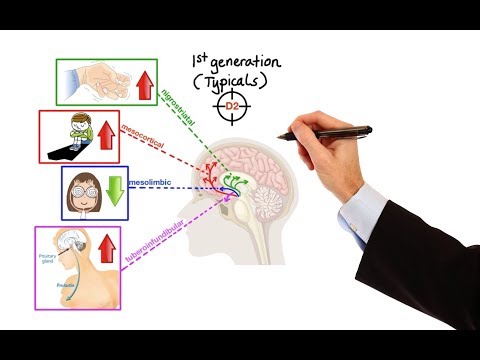
It’s important to understand that the effects can differ based on the specific type of neuroleptic you’re taking. There are **two main categories**: typical (first-generation) and atypical (second-generation) antipsychotics. Typical ones tend to have more pronounced side effects but can be very effective at managing symptoms like hallucinations or delusions. Atypical ones usually create fewer side effects but might take longer to kick in.
Here’s a quick overview of the two types:
- Typical Neuroleptics: Older meds like haloperidol are known for their effectiveness but come with more risk of side effects.
- Atypical Neuroleptics: Newer options such as risperidone or aripiprazole tend to have broader uses with often milder side effects.
So what should you know if you’re considering neuroleptics? Communication with your healthcare provider is super crucial! They’ll monitor your symptoms and any side effects closely—like checking in on how you’re feeling every step of the way.
And hey, don’t forget about the emotional rollercoaster that comes with managing mental illness! It’s not just about popping pills; it’s about learning coping strategies too, possibly through therapy or support groups alongside your medication.
In summary, neuroleptics serve an essential role in treating serious mental health conditions by balancing brain chemistry and improving life quality for many people. Just remember that everyone’s journey is unique! If you’re curious about these medications or think you might need them, it’s always best to chat things over with someone who knows their stuff—your doctor or mental health professional can really guide you through it all.
Understanding Neuroleptic Medications: How They Work to Enhance Mental Health
Neuroleptic medications, also called antipsychotics, are really important in treating various mental health conditions. They play a vital role, especially for people dealing with schizophrenia or severe bipolar disorder. So, how do they work? Well, neuroleptics primarily target certain chemicals in the brain called neurotransmitters.
Dopamine is one of those neurotransmitters that gets a lot of attention. It’s basically responsible for sending messages related to mood, motivation, and pleasure. In conditions like schizophrenia, dopamine pathways can go a bit haywire. Neuroleptics help balance these pathways by blocking dopamine receptors. This can reduce symptoms like hallucinations or delusions.
But not all neuroleptics work the same way. There are two main types: typical and atypical.
- Typical neuroleptics: These have been around since the 1950s. They mainly block dopamine receptors and can effectively address positive symptoms of psychosis, like hallucinations.
- Atypical neuroleptics: These newer meds target both dopamine and serotonin receptors. That means they might help with both positive symptoms and negative symptoms (like lack of emotion or social withdrawal).
So you might be wondering about the side effects. Yeah, they exist. Some people experience weight gain or sedation. Others might face more serious issues like tardive dyskinesia—a condition causing involuntary movements, which isn’t ideal at all.
Now let’s talk about something emotional for a second—imagine someone you love struggling with crippling anxiety or paranoia because their mind is racing in a million directions. When they finally get on the right neuroleptic medication? It can feel life-changing! Suddenly they’re able to engage in conversations without fear or feel hope where there was once only despair.
Sometimes finding the right medication isn’t as simple as popping a pill and moving on with life; it’s often an ongoing journey that involves trial and error with dosages and different meds until you hit that sweet spot.
So basically, neuroleptic medications serve as an essential tool for many people dealing with severe mental health conditions. They help restore balance in brain chemistry so that folks can lead more stable lives where they’re not constantly battling their own minds.
In short, while neuroleptics have their pros and cons (like everything else), their potential impact on mental health is significant—and worth understanding if you’re looking into treatment options for yourself or someone close to you.
Understanding Neuroleptics: How They Effectively Treat Positive Symptoms of Psychosis
So, let’s chat about neuroleptics. These are a type of medication often used to treat psychosis, which can include things like hallucinations and delusions. If you’ve ever wondered how these medications actually work, you’re not alone. It can be a bit confusing at first.
Neuroleptics are sometimes called **antipsychotics**. When we say they treat the *positive symptoms* of psychosis, we’re talking about symptoms that add something unusual to your experience—like seeing or hearing things that aren’t there. That’s super different from *negative symptoms*, which take away from someone’s day-to-day functioning, like feelings of emptiness or lack of motivation.
How do these meds fit into the picture? Well, neuroleptics mainly work on brain chemicals called neurotransmitters—specifically dopamine. You see, too much dopamine can lead to those pesky positive symptoms of psychosis. Neuroleptics help to balance that out by blocking dopamine receptors in the brain.
Okay, so what does that mean in real life? Think about someone who might hear voices all the time. That can be deeply unsettling; it’s not just annoying—it shapes how they interact with the world around them. With the right neuroleptic medication prescribed by a doctor, those auditory hallucinations could decrease or even go away altogether. This allows for a smoother path toward recovery.
There are two main categories of neuroleptics: first-generation and second-generation drugs. The first-gen ones have been around longer and were some of the original treatments for psychosis—but they often come with more side effects like stiff muscles or tremors. On the flip side, second-generation drugs tend to have fewer movement-related side effects but may still cause other issues like weight gain or metabolic changes.
In terms of effects,
Now here’s an important point: While neuroleptics can drastically improve conditions like schizophrenia or bipolar disorder when dealing with psychotic episodes, they aren’t a cure-all solution. They need to be part of a broader treatment plan that includes therapy and support systems.
Figuring out what works best can take time and patience, but seriously—it’s all about finding the right balance for each person involved. Sometimes it feels like trial and error at first until both patients and doctors get it just right.
And you know what? It’s okay to talk about how you’re feeling on these meds too! If something feels off—whether that’s mood swings or anxiety—it should be discussed openly with your healthcare provider. Communication is key!
In short, neuroleptics play an essential role in managing positive symptoms of psychosis by targeting those tricky brain chemicals. Understanding how they work helps everyone involved feel more empowered during their mental health journey!
When it comes to mental health, neuroleptics are one of those things that can stir up a lot of feelings, you know? They’re also called antipsychotics, and they mostly help in treating conditions like schizophrenia and bipolar disorder. So, basically, they work on the brain to help manage symptoms like hallucinations or severe mood swings.
A friend of mine went through a rough patch. He was dealing with some intense anxiety and depression. After months of floating from therapist to therapist, someone finally suggested trying a neuroleptic. At first, he felt hesitant—who wouldn’t be? It sounded pretty intimidating. But after weighing out the potential benefits against the side effects, he decided to give it a shot.
Now, these meds can sometimes have a bit of a bad rap because of their side effects—weight gain, drowsiness—you name it. And yeah, that’s totally valid. But for my friend, finding the right balance made all the difference. He started feeling more like himself again after just a few weeks on them. Can you imagine that? Going from feeling lost to actually enjoying small moments again?
That said, it’s essential to remember that not everyone’s experience is the same. For some people, neuroleptics can bring about life-changing relief. But for others? Well, they might not help as much or could lead to uncomfortable side effects.
Seeing my friend navigate all this was eye-opening. It reminded me how crucial it is for us to communicate openly with our doctors about our experiences. A good treatment plan is often about patience and trying different approaches until something clicks.
So when we talk about neuroleptics in mental health treatment, it’s really not just black and white—it’s all about individual journeys and finding what works best for you. And sometimes? That means mixing therapy with medication or exploring lifestyle changes too! Just remember: You’re never alone in this process; there are people out there who understand what you’re going through and want to help you find your way back home again.