So, let’s chat about something that might sound a bit sci-fi but is actually helping a ton of folks out there. It’s called neuromodulation therapy. Yeah, I know, sounds fancy, right?
But seriously, this therapy is changing the game for people dealing with depression. Imagine getting relief from those heavy feelings in a way that feels more like magic than medicine.
You’ve probably heard about all kinds of treatments for depression—pills, talk therapy, the whole nine yards. But what if I told you there’s an innovative approach that targets the brain directly?
Crazy stuff! We’re talking about using some real techy solutions to help ease that emotional weight. Curious? Let’s dig into how this works and what it could mean for you or someone you care about.
Exploring the Effectiveness of Neuromodulation Treatments for Depression
Neuromodulation for depression is kind of a big deal right now. Basically, these treatments are designed to change how the brain functions by affecting nerve activity. It sounds complicated, but it’s like flicking a switch to help get everything to run more smoothly.
One of the most common forms of neuromodulation for depression is **Transcranial Magnetic Stimulation (TMS)**. TMS uses magnetic fields to stimulate nerve cells in the brain. Imagine wearing a helmet—it’s not that heavy! You sit there while this device sends pulses aimed at specific areas thought to be involved in mood regulation. A lot of people report feeling better after a series of sessions.
Another option is **Electroconvulsive Therapy (ECT)**, which is often misunderstood. Now, don’t freak out! ECT can sound scary because it involves electricity, but it’s been used for decades and can be really effective for severe depression that doesn’t respond to other treatments. The idea here is simple: it triggers a brief seizure in the brain under medical supervision. It often leads to marked improvement for those who have tried everything else without success.
Then there’s **Vagus Nerve Stimulation (VNS)**. This one involves implanting a small device under the skin that sends electrical signals to the vagus nerve, which runs from your brain down into your abdomen. It’s like having a little helper nudging your brain towards feeling better over time.
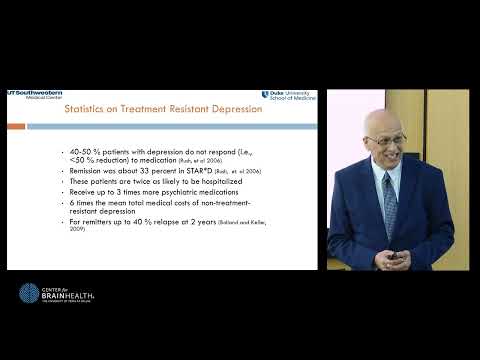
Now, why are these treatments becoming more popular? Well, it turns out that some folks don’t get relief from traditional meds or therapy alone—whatever their reasons might be—like side effects or just not responding well at all. Neuromodulation offers an alternative route.
Here’s what you should know about their effectiveness:
- Efficacy: Many studies show positive outcomes with patients finding relief from symptoms.
- Duration: Improvements can last long after treatment ends, which is something people crave!
- Side Effects: While there can be side effects—like headaches with TMS or memory issues with ECT—they’re often less severe than those caused by antidepressant medications.
As cool as these treatments sound, they aren’t for everyone. Not every person with depression will respond in the same way or find them beneficial. It’s vital to have in-depth conversations with a mental health professional about what’s best for you personally—because we’re all unique here.
In short, neuromodulation treatments are evolving and giving hope where there might not have been much before. They offer different pathways towards healing when traditional methods aren’t as effective as we’d like them to be! So if you or someone you know feels stuck in that dark place despite trying everything else, maybe exploring these options could spark some light into the mix!
Revolutionary Magnetic Treatment for Depression: How It Works and What You Need to Know
So, let’s talk about revolutionary magnetic treatment for depression. You’ve probably heard the buzz about new therapies that use magnets to help with mental health. Well, we’re talking about a specific type called transcranial magnetic stimulation (TMS). It’s like sending tiny magnetic waves through your skull to help wake up the sleepy parts of your brain responsible for mood. Sounds sci-fi, right? But it’s real and getting attention.
Now, here’s how it works: TMS involves a device that generates magnetic fields. These fields are aimed at a part of the brain called the dorsolateral prefrontal cortex, which often shows decreased activity in people who are depressed. Basically, it stimulates nerve cells in that area to get them back in gear. Think of it like shaking someone awake when they’ve dozed off during a lecture.
What do you need to know? Here are some key points:
Now let me tell you something personal. A friend of mine struggled with depression for years. She tried everything—therapy, meds—you name it. Nothing seemed to stick until she found TMS. She was skeptical at first but decided to give it a shot. After her first few sessions, she noticed small changes; she felt more like herself again! It was amazing to see her slowly come back to life.
But hold up! This isn’t magic. It doesn’t work for everyone; like any treatment, some might find themselves feeling more hopeful while others don’t have much change at all. That’s just how these things roll.
Who is eligible? Generally speaking, TMS is recommended for folks with major depressive disorder who haven’t had success with traditional treatments—like that friend of mine I mentioned earlier.
What else? Insurance coverage can vary quite a bit—so check your plan if you’re thinking about it. Some places require prior treatments before they’ll even consider TMS.
In short, revolutionary magnetic treatment for depression offers hope for many dealing with tough mental health battles. It’s not always an instant fix but could be worth considering if you’re feeling stuck and traditional routes haven’t worked out too well.
If you’re curious or think this could help someone close to you, definitely chat with a mental health professional about whether it’s a good fit!
Exploring the New Miracle Antidepressant: What You Need to Know
Well, let’s chat about this whole concept of neuromodulation therapy for treating depression. It sounds fancy, right? But it’s basically a way to change how the brain works by sending signals to specific areas. This can help reset the mood and emotional responses that sometimes go haywire in conditions like depression.
So, here’s what you should know:
- What is it? Neuromodulation therapy includes various techniques that aim to adjust brain activity. Think of it as giving your brain a little nudge when it’s stuck in a rut.
- Types of treatment. There are several methods within neuromodulation, like Transcranial Magnetic Stimulation (TMS), which uses magnetic fields, and Vagus Nerve Stimulation (VNS), which involves stimulating the vagus nerve. Each method has its own way of shaking things up in your noggin.
- The science behind it. The idea is that targeting certain brain regions can help relieve symptoms of depression, especially for those who haven’t found success with traditional antidepressants.
- No more waiting!. One cool thing about some of these therapies is they can work relatively quickly—sometimes in just a few sessions! That’s like getting to grab the fast pass at an amusement park instead of waiting in line forever!
- Side effects?. While every treatment comes with potential risks, many people find neuromodulation to have fewer side effects compared to classic antidepressants like SSRIs. That means less worry about feeling all fuzzy or sleepy all day long.
Now, I think we should talk about something really important—how this therapy impacts real lives. Picture someone who feels like they’re trapped in a dark tunnel with no way out. That was Jessica’s experience; she tried meds after meds but felt stuck. Then she heard about TMS from a friend and decided to give it a shot. After just a few weeks, she noticed she was smiling more often and enjoying her hobbies again! It didn’t fix everything overnight, but it shone some light on her path.
Also, let’s say you’re curious if this could be for you or someone you know—it’s essential to chat with a healthcare provider first. They’ll be able to work through options specific to your situation.
In short, neuromodulation therapy, particularly new methods like TMS and VNS, offers hope for those struggling with depression when traditional treatments fall short. It’s not magic but definitely feels pretty close for many people! So keep an open mind if you or someone you care about finds themselves looking for something new on their mental health journey.
You know, depression can feel like a heavy fog that just won’t lift, right? Sometimes it’s like you’re trudging through mud, and every little thing feels way too hard. Thankfully, though, folks out there are always working on new ways to help. One of the more interesting developments lately is innovative neuromodulation therapy.
So, what’s the deal with this therapy? Well, basically, it uses different techniques to stimulate certain areas of the brain that are tied to mood and emotion. It’s not like taking a magic pill or something, but think of it as giving your brain a gentle nudge to get things back on track. There are various methods within this category—like Transcranial Magnetic Stimulation (TMS) or even Vagus Nerve Stimulation (VNS)—and each has its own way of working.
A friend of mine went through TMS after struggling with major depression for years. She had tried countless medications and therapies without much success. I remember her saying how isolated she felt during that time; it was as if everyone else was living their lives while she stood still in a silent movie. The cool part? After several sessions of TMS, she started to notice changes. Her mood began lifting, and for the first time in ages, she felt hope peeking through the clouds.
It’s super fascinating how these treatments can have such varying effects on different people! Like some folks swear by medication alone, while others find neuromodulation gives them that extra boost they need. Of course, nothing’s one-size-fits-all; every individual’s experience with mental health is unique.
Also worth noting is how these therapies generally come with fewer side effects than traditional antidepressants—no weight gain or crazy drowsiness! That’s a big win in my book.
But hey, even with all this innovation happening in mental health care, it’s essential for anyone considering these options to chat with their doctor or therapist first. You really wanna make sure you’re making informed choices about your treatment journey because there’s no rush when it comes to finding the right path for you.
So yeah, while we’re still piecing together all the mysteries of our minds, neuromodulation therapy represents an exciting frontier in fighting depression. It reminds me that there’s hope out there; new ideas are springing up all over the place—even when life feels particularly heavy.