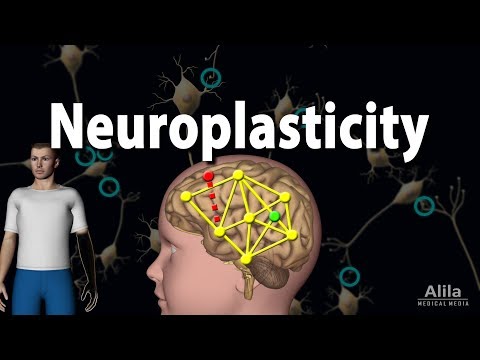
You know, our brains are pretty amazing. Seriously, they’re not just hardwired machines. They’re more like, I don’t know, flexible sculptures that can reshape themselves.
Ever heard of neuronal plasticity? It’s this wild concept that’s all about how our brains can change and adapt over time. Think of it as your brain’s way of saying “Hey, I can learn new tricks!”
This isn’t just some science mumbo-jumbo. It’s actually super important when it comes to mental health recovery. You’re not stuck with the same old patterns or feelings forever. The brain has a lot more potential than we often give it credit for.
So let’s chat about how this plasticity thing works and why it matters for anyone dealing with mental health challenges.
Unlocking Your Brain’s Potential: How Neuroplasticity Transforms Mental Health and Well-Being
Neuroplasticity is this amazing concept that basically means your brain can change and adapt over time. It’s like when you learn a new skill or form new habits. Your brain is busy rewiring itself, you know? It’s all about growth and transformation, and it plays a huge role in mental health.
So, what does it mean for you? Well, think of neuroplasticity as your brain’s adaptability superpower. Imagine if you’ve gone through tough times—like anxiety or depression—and feel stuck. The fantastic part is that your brain isn’t just a rigid structure; it’s dynamic and responsive. It can create new pathways to help you heal and thrive.
You’ve probably heard of the saying “practice makes perfect,” right? That’s where neuroplasticity comes in. When you practice something repeatedly, whether it’s a new technique in therapy or mindfulness exercises, your brain forms new connections. And with time and repetition, those connections become stronger.
Just to illustrate: Let’s say someone struggles with social anxiety. Every time they face a social situation and manage to push through their discomfort—like joining a gathering or speaking up—they’re giving their brain a little nudge to rewire itself positively. Each small victory reinforces their ability to cope better next time!
But it goes beyond just practice. Emotions play a huge role too! When we experience positive emotions—like joy or gratitude—our brains release feel-good chemicals like dopamine and serotonin. These not only make us feel happier but can also encourage the formation of those positive neural pathways we talked about earlier.
One powerful way to leverage neuroplasticity is through therapy approaches like Cognitive Behavioral Therapy (CBT). This helps challenge negative thinking patterns and replace them with healthier ones over time. It’s like giving your thoughts a makeover! You’re literally transforming how your brain responds to stressors.
Also, don’t underestimate the impact of things like physical exercise—seriously! When you’re active, you increase blood flow to the brain, which boosts its capacity for growth and change. It’s not just good for your body but also fuels that mental resilience.
Incorporating mindfulness practices into your routine can be game-changing too! Mindfulness helps ground you in the present moment, reducing anxiety about the past or future. Over time, this consistent practice can truly reshape how your brain processes emotions.
Finally, keep in mind: change doesn’t happen overnight—it takes patience and consistency. But remember that each step counts! You’re building something powerful within yourself as you navigate life’s challenges.
Neuroplasticity isn’t just a fancy term; it’s about real transformation—you taking control of your mental health journey! So whether it’s through therapy, exercise, or mindfulness—you’ve got this amazing ability to shape your mind for the better every single day.
Unlocking Mental Wellness: The Power of Neuroplasticity in Transforming Mental Health
You know how our brains are kind of like clay? They can change shape and adapt based on what we experience. That’s what neuroplasticity is all about. It’s this fascinating ability of our brains to reorganize themselves by forming new connections throughout life.
Think of it this way: if you’ve ever tried to learn a new skill, like playing the guitar or, I don’t know, baking sourdough bread—your brain has to create new pathways to help you master that skill. Those same principles apply when we talk about mental health recovery.
So let’s break it down a bit. Here are some key things about neuroplasticity:
- Learning and Experience: Every time you learn something new or go through an experience, your brain rewires itself. This means positive experiences can strengthen your mental health.
- Recovery from Trauma: For folks dealing with trauma or anxiety, neuroplasticity offers hope. Through therapy techniques, like cognitive-behavioral therapy (CBT), you can rewire those negative thought patterns.
- Habit Formation: When you work on changing habits—like getting up earlier or being more mindful—your brain starts to adjust these behaviors over time.
Let me share a story that really illustrates this concept. A friend of mine, let’s call her Sarah, went through a tough period after losing her job. She found herself stuck in these cycles of negative thinking. But then she started volunteering at a local animal shelter. At first, it was hard for her; she felt overwhelmed and anxious about meeting new people and taking care of the animals. But as she kept going back every week, her mindset began to shift. With every wagging tail and happy face she encountered, those old patterns began breaking down while new ones formed around kindness and purpose.
This is the beauty of neuroplasticity—it shows us that change is always possible. You’re not stuck with the thoughts that plague you forever; your brain is capable of creating better pathways for healthier thinking.
But here’s the catch: just because our brains can change doesn’t mean it’s easy or automatic. Hard work is involved—like committing to therapy sessions or practicing mindfulness daily.
Creating environments that foster this change also matters a lot! Surrounding yourself with positive influences and engaging in healthy relationships makes a huge difference too.
In summary, understanding neuroplasticity gives us insight into how we can actively participate in our mental health journey. By embracing challenges and seeking out new experiences, we can truly transform how we think and feel over time!
Unlocking Your Brain’s Potential: A Comprehensive Guide to Neuroplasticity (PDF Download)
So, you’ve heard about neuroplasticity, huh? It’s a pretty fascinating concept that dives deep into how our brains adapt and change over time. Basically, your brain isn’t just this static thing stuck in your skull. No way! It’s constantly reshaping itself based on your experiences, thoughts, and even the challenges you face.
Neuroplasticity refers to the brain’s ability to reorganize itself by forming new connections. Imagine it like a road map; when you take a different route, sometimes you find shortcuts or new paths that make getting somewhere easier. That’s what happens in your brain when it learns something new or adapts to experiences.
One of the coolest things about neuroplasticity is how it plays a role in mental health recovery. If someone’s struggled with anxiety or depression, their brain might have formed some not-so-great patterns of thinking or reacting. But guess what? Through therapy, mindfulness practices, or even new learning techniques, those pathways can be changed! That means hope for recovery—your brain can literally rewire itself for better mental health.
Here are some key points to keep in mind:
- Learning New Skills: When you learn something new—like playing an instrument or picking up a language—you’re helping your brain build fresh connections.
- Therapy: Different types of therapy can aid in promoting neuroplasticity. Cognitive Behavioral Therapy (CBT), for instance, helps change unhelpful thought patterns.
- Physical Activity: Exercise isn’t just good for your body; it boosts brain health too! Regular workouts can stimulate the growth of new neurons.
- Meditation: Mindfulness and meditation practices can promote calmness and alter how your brain reacts to stress.
- Aging: Neuroplasticity doesn’t stop as you grow older; older brains still have a remarkable capacity to learn and adapt!
Now let me drop a little story here. There was this guy named Dave who was really struggling with anxiety after losing his job. He felt stuck in his old ways of thinking—always worried about what ifs and worst-case scenarios. A friend suggested he try mindfulness meditation along with regular therapy sessions. Over time, Dave noticed he could calm those racing thoughts more easily and didn’t panic as much when challenges popped up at work again. It was like watching his mental landscape shift from chaos to clarity!
So, in short, tapping into neuroplasticity is like giving your brain a fresh lease on life. The more we understand this power within us, the better we can navigate our emotional landscapes! You don’t have to feel trapped by old patterns; there’s always room for growth and change—seriously!
Consider diving deeper into this topic by exploring materials available out there if you’re curious about specific techniques or studies related to neuroplasticity and mental health recovery—it might just blow your mind!
Neuronal plasticity is one of those concepts that sounds super fancy, but it’s really just about how our brains can adapt and change over time. It’s like your brain’s ability to rewire itself, adjust, and learn new things based on experiences. So, when we talk about mental health recovery, this becomes a big deal. You follow me?
Imagine you’ve been through a tough time—maybe a breakup or losing a job. It can feel like your world is flipped upside down, and all that stress and anxiety starts to take over. But here’s where neuronal plasticity steps in like a superhero. Your brain isn’t static; it can actually reorganize itself in response to these emotional challenges. That means with the right support—like therapy or even just chatting with a friend—you’re creating new pathways in your brain, helping you heal.
I remember when my buddy went through something similar. She was dealing with depression after losing her father. It was awful to see her struggle day-to-day, feeling stuck in this loop of sadness and hopelessness. But she decided to give therapy a shot—and slowly but surely, she started noticing changes. With each session, it was like her brain started making new connections, becoming more flexible and open to positive experiences again.
It’s not magic or anything; it takes time and effort, but knowing that our brains have this capability is pretty empowering! By engaging in activities that boost our mood—like exercise or learning something new—we’re essentially giving our gray matter the workout it needs to adapt for the better.
So yeah, neuronal plasticity shows us that recovery isn’t just possible; it’s built right into how we’re wired as humans! We can bounce back from hard times by embracing change and actively engaging with our emotions. And that’s kinda beautiful when you think about it—our brains are always ready for growth if we allow them the space and time to do so.