Alright, so let’s chat about something a bit different. You ever feel like you’re in a funk that just won’t budge? It’s tough, right?
Well, here’s the thing: there’s this treatment called Neurostar that’s shaking things up. No pills involved—just a totally new approach to tackling those heavy feelings.
Imagine walking into a cozy room, sitting back, and letting some cool tech work its magic. Sounds intriguing, huh? Let me break it down for you, ‘cause it might just be the answer for some folks.
Understanding the Gold Standard Treatments for Resistance Depression: A Comprehensive Guide
Understanding treatment options for resistant depression can feel overwhelming, but let’s break it down and make sense of it all. When people talk about **resistant depression**, they mean that the usual treatments—like therapy or medications—just haven’t worked. It’s frustrating, I get it. You might feel stuck in a rut, like you’ve tried everything and nothing seems to help.
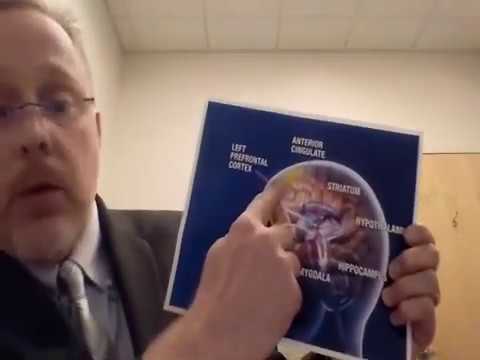
One of the newer approaches to treating this stubborn form of depression is called **Neurostar**, which is a type of Transcranial Magnetic Stimulation (TMS). This isn’t your typical talk therapy or antidepressant meds. What happens is that a device sends magnetic pulses to specific areas of your brain. These areas are often involved in mood regulation and emotional responses. So, the idea is to stimulate them directly.
To delve deeper into what makes Neurostar stand out, here are some key points:
- Non-invasive: Unlike some treatments that require surgery or serious procedures, TMS is non-invasive. This means no needles or anesthesia involved. You sit in a chair while the machine does its thing.
- Quick sessions: Each session lasts about 20-40 minutes. So you can easily fit it into your day without taking too much time away from work or personal life.
- Efficacy: Many studies have shown that TMS can be effective for people who haven’t responded well to conventional treatments. Some experience a noticeable reduction in symptoms after just a few sessions.
- Minimal side effects: Generally, people report fewer side effects than with traditional antidepressants—no weight gain or sexual dysfunction typically associated with those meds.
Feeling nervous? Totally normal! It can be scary trying something new, especially when you’ve been through so much already. A friend of mine once said she felt like she was swinging at air every time she tried another med that didn’t work. She finally decided to give TMS a shot—and guess what? It helped her regain some energy and interest in life again.
But before diving into Neurostar—or any treatment—you should definitely have an open conversation with your healthcare provider. They can guide you through the options based on your unique situation and history.
In addition to TMS, other treatments for resistant depression include **ketamine** infusions and **electroconvulsive therapy (ECT)** if things get really tough. Both have their pros and cons too but share that goal: helping you feel better when everything else hasn’t worked.
Keep in mind that treatment isn’t one-size-fits-all; what works for one person might not work for another. That’s why personalized care is super important in mental health.
So there you go! Navigating resistant depression takes courage and patience, but understanding these treatment options can empower you on your journey to feeling like yourself again.
Discover the New Miracle Antidepressant: Transforming Mental Health Treatment
Alright, let’s chat about something that’s been stirring the mental health scene lately: Neurostar. You might have heard whispers about it being a sort of “miracle” antidepressant. So, what’s this all about?
Neurostar is actually a treatment method known as **Transcranial Magnetic Stimulation (TMS)**. It’s not your typical pill; instead, it’s a non-invasive therapy that uses magnetic fields to stimulate nerve cells in the brain. Basically, it aims to help those battling depression who haven’t found relief with traditional medication.
Here are some key points on how it works and its potential impacts:
- Direct Stimulation: The magic happens when a device is placed on your head that sends magnetic pulses into the brain. This boosts activity in areas that are often underactive in folks with depression.
- No Anesthesia Required: Unlike some other treatments, TMS doesn’t need you to be put under. Patients can walk in and out of the sessions without any downtime.
- Duration and Frequency: Typically, patients get about 20-30 sessions over several weeks. Each session lasts around 20-40 minutes. You’re likely to feel relaxed during it—like a little brain recharge!
- Side Effects: While TMS is generally well-tolerated, some people might experience headaches or discomfort at the site of stimulation. But compared to traditional meds, these side effects are usually minor.
- Success Rates: Studies show that around 50% of patients see significant improvement after treatment! For those who haven’t responded well to antidepressants, this can be huge.
Imagine someone named Sarah. She struggled with depression for years and tried multiple medications without much luck. Then she learned about Neurostar and decided to give TMS a shot. After her treatment series, Sarah found herself feeling more like her old self again—she enjoyed things she had lost interest in! It’s stories like hers that highlight how effective this can be for some.
But hey, while it sounds promising—this isn’t magic for everyone. Not every treatment works for every person out there because mental health is super complex!
So if you’re thinking about Neurostar or TMS therapy for yourself or someone you know, chatting with a healthcare provider first is always smart. They can provide personalized advice based on individual needs.
All in all, advancements like these open new doors in mental health treatment options and hopefully bring relief to many!
Understanding TMS: How Long Does It Take to Alleviate Depression Symptoms?
So, let’s talk about TMS, or Transcranial Magnetic Stimulation. This treatment is getting some buzz for helping with depression—especially for folks who haven’t found relief with other methods. But how long does it actually take to feel better? That’s a big question for many people considering this option.
TMS works by using magnetic fields to stimulate nerve cells in the brain. Think of it like sending little electrical jolts to help “wake up” parts of your brain that might be a bit sluggish when you’re dealing with depression. It sounds futuristic, but it’s been around for over a decade now.
When you first start TMS, the length of time until you notice improvement can really differ from person to person. Some folks might start feeling a shift after just a couple of sessions, while for others, it can take several weeks. Generally speaking, TMS is usually done over the course of about four to six weeks, with treatments happening multiple times per week.
Here’s the typical timeline you might expect:
- Week 1: You might not notice much change right away. The body needs some time to respond.
- Weeks 2-3: This is when some people report feeling an improvement in their mood or energy levels.
- Week 4: For many, this is when the effects can start to become more noticeable and significant.
- Beyond Week 4: Some individuals may continue to feel better even after treatment has ended.
To give it a little context: I know someone who was pretty skeptical about TMS at first. After several weeks of therapy, they said they finally felt like their “old self” again—something they hadn’t felt in years! It was like getting back into a favorite song that had been stuck on mute.
Of course, individual responses can vary widely. Factors like how severe your depression is and how well your body reacts to TMS play huge roles here. And while some people see relief quickly, others may find that they need follow-up sessions later on.
It’s also good to keep in mind that TMS isn’t a one-and-done deal; ongoing maintenance treatments may be needed down the line to keep those positive vibes flowing.
In short? You could start feeling better within weeks of starting TMS treatment—maybe even faster! Just remember that everyone’s experience is unique. So if you’re considering this as an option, chatting with your healthcare provider will give you the best idea tailored just for you!
So, let’s talk about Neurostar and how it’s shaking things up in the world of depression treatment. Honestly, it’s pretty amazing to see new technologies come into play that might help folks who’ve been struggling for way too long.
Neurostar is basically a type of transcranial magnetic stimulation (TMS). Sounds fancy, right? But really, it’s just a method that uses magnetic fields to stimulate nerve cells in the brain. And the goal is to boost those mood-regulating areas when traditional treatments, like therapy or medication, don’t cut it.
A friend of mine went through this whole journey with depression. She tried everything: therapy sessions, medications that just didn’t seem to work for her. You name it—she was probably on it. I remember one time we were hanging out, and she just looked so exhausted from fighting her own brain; you could see how desperately she wanted relief. Imagine feeling stuck in a fog all the time, unable to find your way out.
Then, she decided to give Neurostar a shot. I’ll be honest; I was skeptical at first. Does waving magnets around really help? But she came back after her sessions saying she felt lighter—like someone had lifted an invisible weight off her shoulders. Hearing stories like hers makes you realize how important innovation is in mental health treatment.
The thing is, not everyone will respond to Neurostar the same way my friend did—just like with any treatment. It’s all about finding what clicks for each person because everyone’s struggles are unique and personal. Plus, those sessions can be a little intense; sitting there with equipment buzzing around your head might seem strange at first!
But for those who’ve hit roadblocks with other therapies or meds—this could be a game changer. It feels refreshing knowing there’s more than one way to tackle such a complex issue as depression. It’s not just about “pills or nothing” anymore.
Anyway, it reminds us that there’s still hope and help out there—even when things feel pretty dark at times. The world keeps spinning forward with new ideas and approaches that could lead someone back into the light when they thought they were lost forever. That’s something worth cheering about!