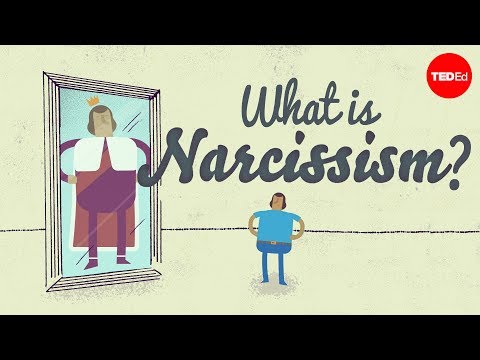
You know how some people seem super confident, like they could take on the world? And then there are others who just can’t stop overthinking every little thing.
That’s basically what we’re looking at with neuroticism and narcissism. They’re like two sides of the same psychological coin. You’ve got one group that thrives on self-love, while the other is all about that self-doubt drama.
But here’s the thing: it’s not just about being high-strung or overly self-absorbed. These traits can seriously affect relationships, work life, and how you feel on the daily.
So, let’s unwrap this a bit! What makes someone more likely to be a hot mess or a total superstar? Well, there’s a whole lot to unpack!
Exploring the Connection: Can Neuroticism Lead to Narcissism?
Neuroticism and narcissism are two fascinating traits that often pop up in conversations about personality. While they seem like opposites at first glance, there’s a connection between them that’s worth exploring.
Neuroticism refers to a tendency to experience negative emotions like anxiety, sadness, or anger more frequently than others. If you’ve ever felt overwhelmed by feelings of self-doubt or worry, you can relate. People who score high on neuroticism may have trouble managing their emotions.
Now, on the flip side, we have narcissism. This trait involves having an inflated sense of self-importance and a strong need for admiration. Narcissists often come off as confident, but sometimes, it’s just a cover for their insecurities. They might boast about their achievements or seek attention to feel better about themselves.
So how does one lead to the other? Well, it turns out that high levels of neuroticism can create a fertile ground for narcissistic traits to flourish. You see, when you’re constantly feeling anxious or insecure, it’s natural to want validation from others. That need for approval might push someone to exhibit narcissistic behaviors as a way of coping with their inner turmoil.
Let’s break this down a bit more:
- Insecurity breeds grandiosity: If you’re feeling unsure of yourself because of neurotic tendencies, you might inflate your self-image as a defense mechanism.
- A desperate need for validation: Neurotic individuals may seek constant reassurance from others which then morphs into narcissistic behavior if they use that attention to mask their insecurities.
- Difficulties in relationships: Both traits can lead to complicated connections with others—neurotic individuals may struggle with emotional regulation while narcissists might prioritize their needs above everyone else’s.
Imagine someone named Jamie who has always been anxious about how they’re perceived by others. They might start bragging about their accomplishments or putting on an air of superiority just to ward off those nagging feelings of inadequacy. It’s kind of sad but also relatable, right? In trying to protect themselves from feeling low, they end up pushing people away instead.
Research supports this link too! Studies show that people high in neuroticism are more likely to develop narcissistic tendencies over time because they rely on external validation due to their emotional instability.
In short, while neuroticism and narcissism seem like different worlds apart at first glance, the relationship between them is intricate and layered. It’s all about how we cope with our emotions and the ways we seek support from those around us—kind of like trying to patch up cracks in a wall by painting over them without fixing what’s underneath.
So yeah! The connection exists and it’s pretty interesting when you dig into it!
Understanding Neuroticism: The Mental Illnesses That Contribute to Its Development
Understanding neuroticism is like opening a window into the complexities of our emotional experiences. It refers to a personality trait that’s all about how we handle stress, negative emotions, and life’s ups and downs. People who score high on the neuroticism scale often experience anxiety, mood swings, irritability, and even depressive symptoms. It’s not a mental illness itself but seriously influences how certain mental health conditions develop.
Neuroticism can be thought of as being on a continuum. Some folks might just feel a little more anxious than others, while others could struggle daily with overwhelming feelings of fear or sadness. So why does this matter? Well, researchers have found that neuroticism can play a big part in conditions like:
- Anxiety disorders: These cover everything from generalized anxiety disorder to panic attacks. If you’re high in neuroticism, you might be more likely to experience these anxious episodes because your brain is constantly on high alert.
- Depressive disorders: Neurotic individuals often have a harder time bouncing back from stressors or setbacks. This vulnerability can lead to feelings of hopelessness or persistent sadness.
- Personality disorders: Conditions like borderline personality disorder (BPD) may emerge from those deeply rooted patterns we see in high-neurotic individuals
Now, think about someone you know who’s super sensitive to criticism—like they might take your joking comment way too seriously. That’s an example of how neurotic traits can make interactions tense and affect relationships.
But here’s something interesting: it doesn’t just stop at emotional baggage; neuroticism can also fuel things like **narcissism**. People with high levels of narcissistic traits often grapple with insecurity and self-doubt beneath their confident facade. It’s like they need admiration to mask their inner turmoil, which might stem from that same underlying neurotic tendency.
Imagine someone who always needs validation from others—this could be tied back to their high levels of anxiety or fear about themselves when out in the world. So instead of showing vulnerability, they flaunt superiority; it’s kind of like wearing armor made out of self-promotion.
In terms of what shapes these traits and behaviors? Genetics plays a role but so does our upbringing and environment. Think about your childhood—if you grew up in an unpredictable home where love felt conditional based on achievements or behavior, that might set you up for higher neurotic tendencies later on.
In short, understanding neuroticism is key because it sheds light on how these emotional patterns weave into various mental health challenges we face—sometimes without us even realizing it! By recognizing this connection between our emotional frameworks and mental illnesses like anxiety or depression, we’re taking steps towards better self-awareness and hopefully improvement down the road.
Understanding Neuroticism and Narcissism: A Comprehensive Psychological Perspective (PDF Download)
Neuroticism and narcissism are two personality traits that often pop up in discussions about mental health. They can affect how you relate to others and even how you see yourself. Let’s break it down a bit.
First off, neuroticism. This is all about emotional instability. You might feel anxious, moody, or even touchy when things don’t go your way. People high in neuroticism might sweat the small stuff more than others do. Imagine a friend who always seems stressed out about their job or worries constantly about relationships—yeah, that might be neuroticism in action. It’s like having a rain cloud hovering over your head even on sunny days.
Narcissism, on the other hand, is quite different. Think of it as an inflated sense of self-importance. Someone with high narcissistic traits often craves admiration and may struggle to empathize with others’ feelings. Picture someone who always talks about their accomplishments but hardly asks you how you’re doing—that’s classic narcissism! It’s not just confidence; it’s more of an extreme ego boost.
Now, let’s look at how these traits can interact. You could find someone who is both neurotic and narcissistic—a real mix of being overly concerned about what others think while still needing constant validation. They might get upset if they don’t receive the praise they expect, leading to a rollercoaster of emotions where they swing from feeling great one moment to feeling utterly rejected the next.
In terms of their impact on relationships, both traits can create challenges. A neurotic person might struggle to trust partners due to their worries, while a narcissistic individual may only focus on themselves during conflicts, leaving little room for understanding their partner’s perspective. It’s like being on two different wavelengths; communication can break down easily.
Moreover, living with either trait can lead to certain mental health issues. High levels of neuroticism often correlate with anxiety disorders or depression because that constant emotional turmoil wears you down over time. Narcissistic tendencies can lead to difficulties forming lasting connections with people since deep bonds require vulnerability and genuine empathy.
In summary, understanding these traits helps us make sense of ourselves and those around us better. Sometimes it’s just about recognizing where someone stands on the spectrum—are they more prone to anxiety or are they overly self-focused? This knowledge can help foster healthier relationships by addressing behaviors before they spiral out of control.
So yeah, grasping neuroticism and narcissism isn’t just for psychologists; it’s for everyone wanting to better navigate life’s social jungle!
Neuroticism and narcissism are two traits that pop up a lot in conversations about personality. They might sound a bit clinical, but, honestly, they’re part of what makes us human—like the quirky seasoning in our everyday lives.
So, let’s break it down. Neuroticism is often about how you handle stress and negative emotions. You know when you start overthinking everything? That’s neuroticism at play. It can make you feel anxious, moody, or just plain restless. I remember a friend who would spiral into self-doubt whenever she got feedback at work. Even minor comments made her feel like she was going to crumble. It wasn’t that she wasn’t good at her job; it was more about that emotional rollercoaster and how deeply she felt every little thing.
On the flip side, we have narcissism. This isn’t just about the classic “look at me!” attitude. There’s this underlying need for validation and admiration tied to it—which can be super tough for those around them. Like, think of someone who’s always seeking compliments or approval—almost like they’re wearing armor made of self-importance because deep down they might be covering insecurities. I once knew someone who’d post these captivating travel photos online while secretly feeling lonely and disconnected in their actual life.
Now here’s where it gets interesting: neuroticism and narcissism can sometimes dance together in a not-so-great way. Picture someone who’s hyper-aware of their flaws (thanks to neuroticism) but then compensates by presenting this larger-than-life persona (that’s the narcissism talking). It creates this chaotic blend that can really confuse both them and the people around them.
What does all this mean for your everyday life? Well, understanding these traits helps build compassion—not just for others but also for yourself! If your friend is acting overly dramatic or self-absorbed one day, maybe it’s their inner neuroses flaring up or a moment of vulnerability peeking through their facade.
In the end, we all have our quirks and complexities—neurotic tendencies here and maybe a touch of narcissistic flair there. Just remember to cut yourself and others some slack; after all, we’re all figuring out how to navigate this wild ride called life together!