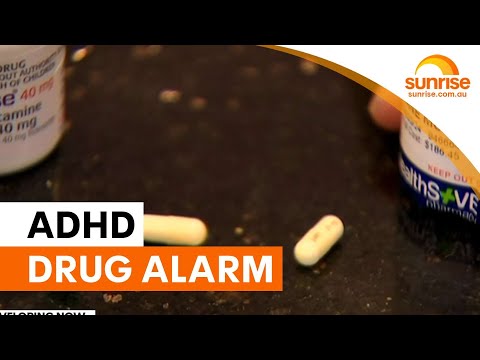
So, let’s talk about ADHD for a sec. You know that feeling where your brain just won’t chill?
And it’s not just kids dealing with it anymore—adults are in the mix too. Seriously, navigating life with ADHD can be a rollercoaster.
But here’s the exciting part: there are some new meds out there that are shaking things up. It’s like we’re finally getting tools that actually help us thrive, not just survive.
These new options aren’t just about popping pills; they’re changing how we think about mental health care entirely. Ready to dive into what’s happening? Because it gets really interesting!
Exploring the Latest ADHD Medications for Adults: What You Need to Know
Hey, so ADHD in adults is a big deal, and it’s getting more attention these days. You might be wondering about the latest medications out there. Seriously, it can feel overwhelming. But let’s break it down together.
First off, ADHD stands for Attention-Deficit/Hyperactivity Disorder. It’s not just a kid thing; many adults live with it too. Symptoms can include trouble focusing, forgetfulness, and impulsivity. And these can really mess with your daily life, like at work or while managing relationships. So finding the right treatment can make a world of difference.
Now, when we talk about **new medications**, there are some exciting developments on the scene. Here’s what’s been catching my eye:
- Stimulants: These have been around for a while but are constantly being refined. Medications like amphetamine salts (think Adderall) are popular because they help boost focus and decrease impulsivity by increasing dopamine levels in the brain.
- Non-stimulants: Some folks don’t respond well to stimulants or have side effects that just aren’t worth it—this is where non-stimulants come in. Guanfacine (Intuniv) and atomoxetine (Strattera) are two options here. They work differently on the brain but can still help manage symptoms.
- A newer player: Viloxazine (Qelbree) just hit the market for ADHD treatment in kids and adults alike! It’s a non-stimulant that’s thought to work by affecting norepinephrine and serotonin levels—helping calm those racing thoughts.
So what does this mean for you? Well, these medications might come with different results based on how your body reacts to them or what other health issues you might have going on.
Also, let’s not forget side effects! That’s something you need to keep an eye on when starting any new medication. Common things can include insomnia or decreased appetite with stimulants; non-stimulants might lead to fatigue or mood swings instead.
I remember talking to a friend of mine who finally found the right mix of medications after years of trial and error. She was in her thirties and often felt overwhelmed by her job and day-to-day tasks. After trying viloxazine, she mentioned feeling more balanced—like she could tackle organizing her workspace without getting up every five minutes to distract herself with something else! Pretty cool how that works out sometimes.
Of course, everyone is different; what works wonders for one person might not do much for another. That’s why working closely with your doctor is super crucial—they can help steer you toward the best options based on your personal health profile.
And hey, don’t shy away from asking questions or expressing concerns during your visits! If something feels off or isn’t working as expected, speak up! Treatment should feel like a partnership rather than a solo endeavor.
In short: ADHD meds are evolving, which is great news! Whether you’re looking into stimulants or newer options like viloxazine, staying informed will empower you to make choices that align with your unique needs.
So there you have it—the lowdown on adult ADHD meds today! Keep digging deeper into what feels right for you—it pays off in the long run.
Revolutionary ADHD Medication Set to Launch in 2026: What You Need to Know
I can’t predict the future, but I can share some insights on adult ADHD and what’s been happening in the world of medication. So, if you’re curious about new treatments that might come around by 2026, let’s break it down a bit.
ADHD, or Attention Deficit Hyperactivity Disorder, impacts how people think and act. It’s not just a kid’s condition; many adults are juggling their lives with ADHD too. You might feel restless, struggle with focus, or find it hard to keep up with tasks. It’s like your brain is on a constant rollercoaster ride—exciting but pretty exhausting.
Now, about those **new medications** on the horizon: There’s been buzz that in 2026 we could see some revolutionary options hitting the market. While exact details are still under wraps, here’s what we usually look out for:
- Mechanisms of Action: New medications often target different neurotransmitters than classic ones like stimulants that increase dopamine and norepinephrine. This means they might work in fresh ways.
- Adverse Effects: One major factor is how these drugs manage side effects. Many folks stop taking medication because of unpleasant side effects like insomnia or jitteriness. New options could aim to minimize these.
- Dosing Schedules: Some upcoming meds might allow for easier dosing routines. Imagine having a treatment plan that doesn’t feel like another chore!
- Personalization: There’s increasing interest in personalized medicine, where treatments are tailored based on individual responses—a game changer if it works!
Take my friend Sam, for example. He tried several ADHD meds over the years and found himself either too wired or way too sleepy! But he’s hopeful that these new drugs will offer better control without those wild swings.
Research keeps getting better too! Scientists are working to understand how ADHD manifests differently in adults compared to kids. It’s not just about hyperactivity; many adults experience **inattention**, **disorganization**, and even **emotional dysregulation**—which can be really tough to manage.
However, there’s always a wait-and-see attitude when it comes to new medications. Rigorous testing is crucial before anything hits pharmacy shelves—I mean nobody wants an «oops» moment when dealing with mental health meds!
Finally, while awaiting these updates is exciting, it’s essential not to lose sight of other management strategies for ADHD too—like therapy or lifestyle changes—balancing all parts of life can make a huge difference.
In short? The future sounds promising for adult ADHD treatment as we approach 2026! Just keep your ear to the ground and chat with healthcare providers about what’s coming next—they’ll have the scoop as things develop!
Understanding Qelbree: A Comprehensive Guide to the New ADHD Medication
Sure, let’s chat about Qelbree! This medication is making waves when it comes to treating ADHD, especially for adults who have been searching for effective options.
What is Qelbree?
Qelbree (viloxazine hydrochloride) is a non-stimulant medication specifically approved for ADHD. Unlike traditional stimulants, which are often the go-to choices, Qelbree works differently in your brain.
How does it work?
So, here’s the deal: Qelbree affects norepinephrine and serotonin levels, which can help improve focus and reduce impulsivity. This means it might help you feel calmer and more organized without some of the side effects stimulant medications can bring.
Who can use it?
Qelbree is approved for kids aged 6-17 and adults too! That’s pretty cool considering that many medications don’t have that adult approval yet. So if you’re an adult dealing with ADHD symptoms like inattention or restlessness, this could be an option to consider.
Potential side effects
Now let’s talk about side effects because that’s important. Everyone reacts differently to medications, so it’s crucial to keep an eye out for things like drowsiness, fatigue, or mood changes. It’s all about finding what works for you.
But don’t freak out! Lots of people tolerate Qelbree well—many find fewer issues compared to traditional stimulants.
Dosing information
Dosing usually starts low and then gets adjusted. Your healthcare provider will probably want to monitor how you’re doing over time before making any changes.
Why consider Qelbree?
You might be wondering why someone would choose Qelbree over other options? Well, non-stimulant options like this one could mean less anxiety about dependency or misuse—something that can sometimes pop up with stimulant meds.
Plus, if you’ve had struggles with stomach issues or headaches from other medications in the past, this one might feel a lot gentler on your system.
In a nutshell: Qelbree is shaking things up in the ADHD treatment world by offering a new approach that fits different lifestyles and needs. If you’re curious about it or think it could help you or someone close to you, definitely chat with a healthcare professional who knows your situation well. You deserve support that works!
You know, it’s interesting to think about how ADHD has been viewed and treated over the years. I mean, for a long time, it was mostly seen as a kids’ thing. But now it seems like there’s a whole new conversation happening around adults with ADHD.
Take my friend Sarah, for example. She always struggled in school and felt like she was just bouncing off the walls. It wasn’t until her late twenties that she finally got diagnosed. Honestly? That was such a relief for her! Just knowing that there was something real behind her struggles helped her begin to make sense of all those chaotic feelings.
So now, with these new ADHD medications hitting the market, it’s like opening up a toolbox full of options instead of sticking to the same old rusty wrench. Some of these meds have fewer side effects or work differently than what we’re used to seeing. It’s exciting! They’re showing promise in not just helping people focus better but also improving emotional regulation and overall mental health.
I read somewhere that these meds are even intended to help adults find that balance in their busy lives—like when you’re juggling work deadlines, family commitments, and trying to maintain something resembling a social life. Imagine feeling more grounded while still being your creative self!
But it’s not just about popping a pill and calling it good. Every person’s journey is unique. Like Sarah, some folks might also need therapy or lifestyle changes alongside medication to really see those transformations. You know how it goes; some days are great, while others feel like you’re climbing up an endless mountain with no clear path in sight.
And then there’s this whole social aspect too! There’s way less stigma surrounding ADHD now than before—which is refreshing! More people are talking openly about their experiences and getting help without fear of judgment. That’s got to change so many lives for the better!
In the end, these new medications might be a game changer for adult mental health care—a chance for people to reclaim their lives and reach potential they never thought possible. It feels so hopeful!