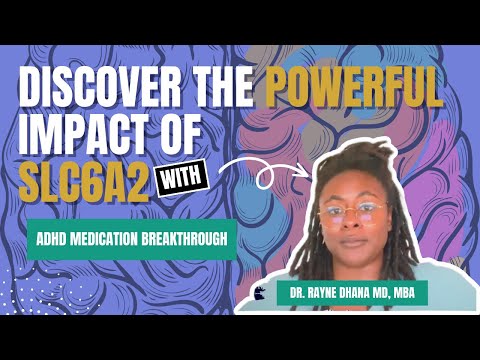
Hey! So, let’s talk about ADHD for a sec. You know, that thing where your brain just kinda goes all over the place? It’s more common than you think.
A lot of people have it, and honestly? It can be super tricky to manage. But here’s the cool part: there are some new meds out there that could really change the game for folks dealing with this.
Imagine being able to focus better or just feel a bit more like yourself—it sounds pretty awesome, right? Let’s dig into what’s new and how it could make life a little easier for you or someone you care about. Trust me, this stuff is worth knowing!
Exploring the Impact of ADHD Medications on Mental Health: Benefits and Considerations
Alright, let’s break down ADHD medications and how they impact mental health. Basically, ADHD, or Attention-Deficit/Hyperactivity Disorder, is a condition that makes it hard for people to focus, stay organized, and control impulses. Medications play a big role in managing these symptoms, but it’s not just about popping a pill and calling it a day. There’s a lot to consider.
First off, what are the main types of ADHD medications? There are two primary categories: stimulants and non-stimulants. Stimulants like Adderall or Ritalin are super common. They amp up certain chemicals in your brain that help with attention. Non-stimulants like Strattera work differently. They can be good options for people who can’t handle stimulants or have issues like anxiety.
Now let’s talk about the benefits. For many folks with ADHD, medications can lead to improved focus, better organization skills, and a decrease in impulsive behavior. You might find yourself able to complete tasks without getting distracted every five minutes! This can really change someone’s life—like suddenly being able to finish homework or hold down a job more easily.
But there’s another side to this coin. Considerations are super important. Medications aren’t magic; they come with potential side effects. Some people experience insomnia or headaches while others report decreased appetite or even mood swings. It’s important to keep an eye on how you’re feeling because not everyone has the same reaction.
Plus, medication isn’t the only tool in your toolbox. Many people benefit from therapy alongside their meds—talk therapy helps process feelings and build coping strategies while the meds help manage symptoms.
When looking at advances in ADHD medication research lately, scientists are exploring new compounds that may reduce side effects or target symptoms more effectively. For example, researchers have been investigating medications that could potentially boost focus without causing jitteriness.
It’s also worth mentioning that everyone’s journey with ADHD is unique. What works wonders for one person might not do much for another—so figuring out the right medication often involves some trial and error with your doctor guiding you through it.
Lastly, if you’re concerned about whether medication is right for you or someone you care about, talk it out with a healthcare professional—you know? They can explain options based on individual needs and any existing mental health conditions like anxiety or depression that could be influenced by these meds.
In summary:
- ADHD medications include stimulants and non-stimulants.
- Benefits: improved focus and organization.
- Considerations: potential side effects should be monitored.
- A combination of therapy and medicine can be very effective.
- Research continues into new treatments with fewer side effects.
So yeah, understanding ADHD meds is crucial for making informed decisions about treatment!
Exploring the Latest ADHD Treatment Innovations of 2025: What You Need to Know
So, ADHD, or Attention-Deficit/Hyperactivity Disorder, is one of those things that people are becoming more aware of these days. It can affect how you focus, how you control impulses, and how you manage your time and energy. In 2025, we’ve seen some seriously cool advancements in ADHD treatment that are worth chatting about.
New Medications
First up, we’ve got some new medications hitting the shelves. Research has been buzzing around developing drugs that target specific neurotransmitters better than the older ones. For example, a new class of medications focuses on glutamate, which plays a role in brain signaling. Unlike traditional stimulants like Adderall or Ritalin, these new options aim to minimize side effects while providing better focus.
Digital Therapeutics
Then there’s digital therapeutics. Some apps have been developed to work alongside medication. These programs often include interactive exercises or behavioral tracking to help manage symptoms. Users can set goals and receive feedback on their daily tasks. Just imagine getting a gentle nudge on your phone when it’s time to refocus—it’s like having a personal assistant!
Neurofeedback Training
And let’s not forget about neurofeedback training. This technique has been around for a while but is gaining traction now as technology improves. Basically, it involves monitoring brain activity and teaching someone to control it through games or activities. People have reported feeling more focused after just a few sessions.
Psychoeducation Approaches
Another big leap is in psychoeducation approaches—this means giving patients and their families education about ADHD symptoms and coping strategies. A lot of times people don’t realize what behaviors are related to ADHD until they get informed—then it feels like the light bulb goes off!
Combination Treatments
Lastly, there’s been increased support for combination treatments—using both medication and therapy together for a more holistic approach. You know how sometimes one size doesn’t fit all? Well, working with mental health professionals can help tailor a plan that matches your unique needs.
In terms of everyday life with these innovations: imagine you’re struggling to focus at work or school but now have access to medications that specifically enhance focus without those annoying side effects you’re used to from older drugs. Or picture yourself using an app that keeps track of your distractions throughout the day and gives you small reminders when you’re veering off course—the idea’s pretty exciting!
So overall, while the path has had its bumps over the years when it comes to ADHD treatment, 2025 is shaping up to offer some really promising options that’s making life easier for folks dealing with this condition—because let’s face it; we all deserve a little help navigating our days better!
Revealing the Unexpected: A Groundbreaking Discovery About ADHD and Its Implications
ADHD, or Attention-Deficit/Hyperactivity Disorder, can feel like a whirlwind at times, can’t it? You might be all over the place with thoughts or have trouble sitting still. But here’s where things get interesting—there are some new findings regarding ADHD and its treatment that could change how people experience this condition.
Recent research has uncovered some unexpected connections between ADHD and other mental health issues. For example, studies show that people with ADHD frequently experience anxiety and depression as well. This dual-diagnosis situation isn’t just a coincidence; there seems to be a deeper relationship at play. Basically, the brain’s wiring in individuals with ADHD might make them more prone to these conditions.
And here’s something else that’s pretty fascinating: new advances in ADHD medications are helping to address this complex interplay between symptoms. Not all medications work the same for everyone, which means finding the right fit can be a journey—but recent innovations are making it less of a gamble.
For instance, there are newer formulations of stimulant medications that release more slowly into the system. This gradual release helps maintain steadier focus throughout the day without causing those annoying peaks and valleys you might have experienced before. Imagine trying to concentrate on something but constantly feeling like your mind is racing or shutting down—that frustration is real!
In addition, non-stimulant medications have gained traction too! They can provide help without the same potential side effects as traditional stimulants do. Plus, they often take longer to kick in but offer a steady improvement over time—you know? Kind of like waiting for your perfect cup of coffee to brew.
But it doesn’t end with meds! Recent discoveries also emphasize the importance of holistic approaches. Therapy options like cognitive-behavioral therapy (CBT) can teach coping strategies specific for living with ADHD. People find techniques that help manage impulsivity or improve organization skills really valuable. It’s not just about treating symptoms; it’s about building a toolkit for better life management.
Some researchers also suggest combining medication with lifestyle changes—like regular exercise and mindfulness practices—which could lead to even better results! So think about how much easier it would be if you incorporated activities you enjoy into your routine while also managing your symptoms!
ADHD is still being unraveled in many ways, and these new discoveries make things pretty exciting. You’ve got options now that aim for not just symptom reduction but also overall well-being! In sticking together different treatment methods, you could tackle something as complex as ADHD head-on.
So whether you’re someone grappling with ADHD personally or supporting someone who does, there’s light ahead thanks to these groundbreaking discoveries! And yes—it’s totally okay to feel hopeful about what lies ahead on this journey towards better mental health!
So, ADHD, right? It’s one of those things that can really shake up your day-to-day life. I remember a friend of mine who struggled with it. He always felt like he was juggling a million balls in the air but couldn’t quite keep them all from falling down. Super frustrating! And sometimes, prescriptions can feel like a mixed bag—like trying to find the right size in an unfamiliar clothing store.
But lately, there’s been some exciting stuff happening in the world of ADHD medications. Newer options are popping up that might make managing symptoms way better for some people. What’s cool is that these new meds aren’t just about making you calmer or more focused; they’re looking at other aspects of mental health too. For instance, there are meds being developed that sort of target mood swings and emotional regulation alongside those classic ADHD symptoms like inattention and hyperactivity.
Some folks are saying these advances offer more tailored approaches. It’s like finding a pair of jeans that fit just right instead of squeezing into whatever is on sale. The hope is to lessen the side effects and improve overall well-being without turning you into a zombie, which is super important, right? You want to feel more like yourself—not just less distracted.
It’s pretty interesting to think about how this could change the game for many people dealing with ADHD—and their families too! My friend? He finally found something that worked well for him after trying out several different treatments over the years. It made such a difference; he said it felt like he could breathe again.
But then again, every medication comes with its own set of challenges and risks, which we can’t overlook. That part can be tricky because what works wonders for one person might not do anything—or worse—for another. That’s where open conversations with doctors become super essential.
So yeah, these new advancements in ADHD meds could be real game-changers for better mental health—but it all comes back to personal experience and finding what fits best for you as an individual. Keep your fingers crossed for people out there on this journey; they deserve all the support they can get!