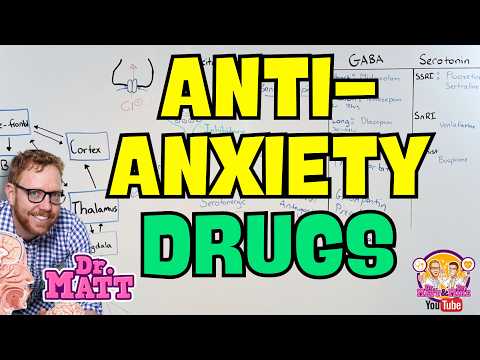
You know that feeling when anxiety just creeps up on you? The racing thoughts, the tension in your chest—it can be a lot to handle. Well, it’s a good time to talk about some new advancements popping up in the world of anti-anxiety medications.
Seriously, there’s a lot changing in this space right now. Some fresh options are hitting the market, and they’re not just about numbing feelings. They aim to help you cope better with life’s challenges without turning you into a zombie.
So, if you’ve been curious or even frustrated with the current remedies out there, stick around. We’re diving into what’s new and how it might actually make a difference for folks dealing with anxiety. It’s all about finding what works for you, right? Let’s get into it!
Unlocking Relief: The New ‘Magic Pill’ Transforming Anxiety Treatment
Anxiety can feel like that friend who just won’t leave you alone. You know, the one who shows up uninvited and makes everything a bit more complicated? It’s a tough ride, and if you’re looking for relief, you might have heard whispers about the latest “magic pill” out there. Let’s break it down.
First off, anxiety isn’t just feeling nervous before a big presentation or exam. We’re talking about persistent worries that can mess with your day-to-day life. Seriously, it can make things like hanging out with friends or even getting out of bed feel like climbing a mountain.
Now, when it comes to treatment, we’ve got a mix of therapy and medication on the table. **Therapies** like CBT (Cognitive Behavioral Therapy) are super effective because they teach you how to deal with those anxious thoughts.
And then there’s medication. Traditional options like SSRIs (Selective Serotonin Reuptake Inhibitors) have been around for ages. They increase serotonin levels in your brain—basically helping to boost your mood. But here’s where it gets interesting: new anti-anxiety medications are popping up that might just give these old-school options a run for their money.
One of the new contenders is called **Lofexidine**. Initially used for treating opioid withdrawal symptoms, studies showed it could help relieve anxiety too. It works by affecting certain receptors in your brain and could be great for people dealing with both anxiety and substance use issues.
Another game-changer is **SAGE-217**, also known as **zuranolone**. This one is particularly exciting because it’s designed to target GABA receptors—this is where many anxiety medications fall short. The cool thing about SAGE-217 is that some folks have reported feeling relief after just one dose! Imagine that: feeling lighter without waiting weeks for results!
Some researchers are even looking into psychedelics! Yes, you read that right! Substances like psilocybin (the stuff in magic mushrooms) are being studied for their potential to reset how our brains react to fear and anxiety—kind of wild if you think about it!
So what does all this talk about “magic pills” really mean? Well, basically it means we’re seeing more personalized approaches in mental health care. It’s not just about finding one-size-fits-all solutions anymore; it’s about tailoring treatments to each person’s experiences and needs—a way better approach!
Of course, medication isn’t a panacea (big word alert!). It’s usually best when combined with therapy or lifestyle changes—like exercise or mindfulness practices which can work wonders too.
Navigating anxiety can be tough—you don’t want to get lost in the sea of options without knowing what works best for you. So if you’re considering meds, chatting with your doctor or therapist might be the best next step.
While these new advancements sound promising, remember that every individual reacts differently—and what works wonders for one might not do a thing for another. The key here is patience and finding support along the way as you search for what genuinely helps ease that heavy load called anxiety.
Exploring the Latest Anxiety Medications: New Names and Innovations in Mental Health Treatment
Alright, so let’s chat about the latest in anxiety medications. Anxiety can feel like this heavy weight on your chest, right? And for some folks, finding the right medication is like trying to find a needle in a haystack. So, what’s new out there?
First off, recent years have brought some innovative options to the table. You might’ve heard of **new classes of medications** that are changing how we think about treating anxiety. One example is *agnostic medications*, which are specifically designed to target anxiety without some of the more common side effects you hear about with traditional meds.
Here’s a closer look at some key advancements:
- Serotonin Modulators: These work by affecting serotonin receptors in a unique way. Talk about finesse! They aim to reduce anxiety symptoms while minimizing the drowsiness that often comes with older meds.
- Novel Formulations: There are new ways of delivering medication too! Think dissolvable tablets or even nasal sprays, which can be super handy for those unexpected panic moments.
- Cognitive Enhancers: Some newer drugs focus on enhancing cognitive function while also easing anxiety. It’s like getting two birds with one stone!
Now let’s not forget about side effects. Meds can make you feel different ways; sometimes it’s hard to figure out if they’re helping or just adding more stuff to deal with. Newer options aim for fewer side effects overall. The idea is that less is more, you know?
Oh, and here’s a thought: personalized medicine is becoming a real thing now! Some doctors might use genetic testing to see how your body metabolizes certain meds. This can help tailor treatments specifically for you—pretty cool if you ask me!
You might also bump into something called **mindfulness-based interventions** paired with medication treatment plans. It’s like giving your brain extra tools to handle stress and anxiety while meds step in when things get really rough.
But remember, it’s super important to keep communication open with your doctor when exploring these options—everybody’s different! What works for one person might not work for another at all.
To wrap it up: The landscape of anxiety medications is evolving continually, aiming for more effective treatments that fit better into people’s lives without cramping their style too much. It can feel overwhelming at times, but this progress really gives hope for those battling anxiety day-to-day.
In the end, whether you’re considering new meds or sticking with what works for you already, it all comes down to finding what helps you live your best life!
New FDA-Approved Anxiety Medication: What You Need to Know
Well, there’s been some buzz about a new FDA-approved medication aimed at tackling anxiety. It’s easy to feel overwhelmed with all the info flying around, so let’s break it down together.
First off, anxiety can feel like you’re stuck in a never-ending loop of worry and panic, right? It can impact your life in ways you might not even realize, from how you interact with others to how you focus at work. When new treatments come along, it’s worth paying attention.
This latest medication works differently than the traditional ones you’ve probably heard of. Many anti-anxiety meds target neurotransmitters like GABA or serotonin. This new one, however, dives into a different pathway and focuses on receptors that haven’t been as widely explored before. It’s like having a new tool in your toolbox!
Here are some key things to know:
- How it Works: The exact mechanism may still be under wraps, but it aims to help stabilize mood and reduce those panic feelings.
- Side Effects: Like all medications, there might be some side effects. Common ones could include dizziness or tiredness—just keep an eye out for how your body reacts.
- Dosing: The dosing schedule is important; taking it consistently can make a difference in how well it works for you.
- Takes Time: Don’t expect instant relief! It usually takes a little while for your body to adjust and for you to notice improvement.
I remember talking with a friend who started on a new anxiety med after feeling stuck for months. They were nervous about trying something new but found that it made their world way more manageable. They could finally enjoy outings that used to leave them paralyzed with worry.
It’s also crucial to note that this med isn’t a standalone fix. Pairing any medication with therapy—like cognitive behavioral therapy—often leads to better outcomes. Think of it as complimenting each other; the med helps manage symptoms while therapy tackles the root causes.
Before jumping into any new treatment plan though, definitely have a chat with your doctor or mental health professional first! They’ll help figure out if this is the right fit for you.
So yeah, this new medication might just open up some fresh avenues in anxiety treatment! Just remember, everyone’s journey is unique—what works wonders for one person may not do the same for another. Just take things step by step!
So, let’s chat about anxiety for a moment. You know, that feeling where your heart races, your mind is on overdrive, and everything feels a bit too much? It’s no surprise that so many people struggle with it. But here’s the thing: the world of medication to help ease those feelings is changing.
You might have heard about some new anti-anxiety meds popping up lately. They’re not just the same old pills repackaged with a shiny label. Some of these new medications are designed to work differently in the brain, aiming to provide relief without all those pesky side effects that can come with older options.
I remember a friend of mine who dealt with crippling anxiety before big presentations at work. It was tough for them—turning down promotions or avoiding situations that could lead to panic attacks. When they finally found a combination of therapy and a new type of medication, it felt like a light bulb turned on in their life. You could see it in their face; suddenly, they were more present and less jittery. It’s like they could finally breathe again.
But here’s where it gets interesting: these new meds aren’t just about throwing pills at the problem. They’re part of a bigger picture that includes therapy and lifestyle changes too—like stress management techniques or mindfulness practices. It’s almost like having different tools in your toolkit, each helping tackle anxiety from various angles.
The mental health landscape is evolving so rapidly now, thanks to ongoing research and technological advancements. Some treatments even target specific brain pathways associated with anxiety disorders! It’s encouraging to think about how far we’ve come and what might be right around the corner.
Of course, while advancements are exciting, it’s important to approach any medication or treatment carefully and under professional guidance—and make sure you’re finding what truly works for you as an individual.
So yeah, while we’ve got new meds making waves in the fight against anxiety, remember: it’s all about finding balance and keeping those open lines of communication with your healthcare provider! Anxiety doesn’t define you; there’s hope out there!