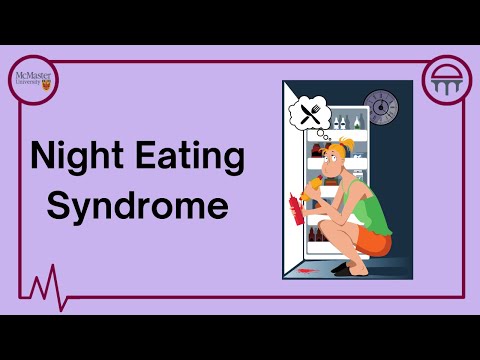
You ever find yourself raiding the fridge at midnight? Like, you know you shouldn’t, but the snacks just call your name?
Yeah, me too. Night eating can be a sneaky little habit. It’s like your brain is playing tricks on you.
But here’s the kicker: it’s not just about hunger or cravings. There’s often a deeper connection with mental health challenges.
Let’s chat about that. You might be surprised by what it all means for you or someone you know.
Understanding Nocturnal Eating Syndrome: Causes, Symptoms, and Treatment Options
Nocturnal Eating Syndrome (NES) is kinda like that annoying friend who shows up at the worst possible times—especially when you’re trying to sleep. Basically, it involves waking up at night and eating, often without fully realizing it. This isn’t just about midnight snack cravings; it can seriously mess with your sleep and mental health.
What Causes NES? Well, there’s no single reason for why this happens. It’s a mix of factors. Some people deal with emotional issues like stress or depression, which can drive them to eat at odd hours. Lack of sleep might also play a part because, you know, when you’re tired, your brain just isn’t functioning as well.
Also, some research suggests that biological factors, such as hormonal imbalances or disruptions in your circadian rhythm (that’s your body’s natural clock), can contribute too. Imagine trying to bake cookies but getting the temperature all wrong—that’s kinda what happens when your body’s internal signals get out of whack.
Symptoms of NES can vary from person to person but usually include the following:
- Waking up multiple times during the night to eat.
- A lack of memory about eating during those episodes.
- Eating large amounts of food after dinner.
- A feeling of guilt or shame about nighttime eating habits.
- Difficulties falling back asleep after eating.
Think about it: you’re cozy in bed, then suddenly you’re rummaging through the fridge. You might not even remember what happened once morning rolls around!
Now onto Treatment Options. Tackling NES often requires a multi-faceted approach. First off, talking to a healthcare professional is crucial—they might suggest therapy options like cognitive-behavioral therapy (CBT). This type focuses on changing negative thought patterns that contribute to nighttime eating habits.
Another option could be medication if your doctor thinks it’s necessary. Some medications used for depression or anxiety might help reduce urges to eat at night.
Establishing a consistent nighttime routine can also be beneficial. Try making winding down part of your evening ritual—like reading a book instead of scrolling through social media late at night.
Getting enough quality sleep matters too! You know how difficult it is to resist snacks when you’re tired? Creating an environment conducive to good sleep hygiene goes a long way in combating NES.
In short, Nocturnal Eating Syndrome isn’t just about late-night munchies—it intertwines with emotional and psychological factors that deserve attention. And remember, you’re not alone in this! Many folks deal with similar experiences; reaching out for help can open doors to healthier habits and better sleep quality.
Understanding the Psychology of Nighttime Eating: Why We Snack After Dark
So, let’s talk about nighttime eating. Seriously, it’s a thing. Ever find yourself raiding the fridge at midnight? You’re not alone. A lot of folks struggle with this habit, and it can actually be tied to some mental health challenges.
Night eating syndrome is more than just munching on snacks when you’re binge-watching your favorite show. It’s a pattern where people consume large amounts of food after dinner. Sometimes it feels like an impulse, but other times it might be driven by feelings you didn’t even realize were there.
You know that feeling when you’ve had a long day but the night seems endless? That can trigger nighttime cravings. Many people use food as a way to cope with stress or anxiety. Imagine it’s been one of those days; you come home, and instead of relaxing, your mind races with thoughts. Here’s where that late-night pizza seems like a good idea—like a comfort blanket made of cheese!
There are several reasons why snacking after dark can become such an issue:
- Emotional Eating: Some folks dive into snacks to escape feelings of loneliness or sadness.
- Sleep Disruptions: If sleep is hard to come by, people might eat at night thinking it’ll help them relax.
- Hormonal Influences: Believe it or not, hormones play a role too! Cortisol levels can rise during stressful times, sparking cravings.
- Poor Routine: Skipping meals during the day may lead to increased hunger at night.
But here’s the kicker: it’s not just about food choices. Nighttime eating patterns can impact mental health in serious ways. People might feel guilty or ashamed after snacking through the night, which can create a vicious cycle of negative self-talk.
Let me tell you about someone I know—she was really stressed out at work and often found herself staring into her fridge around 10 PM, looking for something crunchy and salty. It started off as just a way to unwind but soon turned into anxiety about her eating habits. She felt trapped; every bite felt like temporary relief but eventually led to more stress.
Also, many studies link nighttime eating with conditions like depression, binge eating disorder, and even insomnia! Addressing these issues might require some help from mental health professionals who understand how these behaviors work together.
For anyone struggling with this pattern: recognizing what drives those late-night cravings is key! Talking things through with someone who gets it can make a world of difference. You really do deserve peace with food—no midnight fridge raids needed!
Understanding CBT for Night Eating Syndrome: Techniques and Benefits
Sure, let’s talk about Cognitive Behavioral Therapy (CBT) and how it connects to Night Eating Syndrome (NES). So, night eating is pretty common. You might find yourself snacking late at night, sometimes more than you’d really like. It can feel like a cycle you just can’t break. The good news? CBT can help.
What is Night Eating Syndrome?
Simply put, NES is when you have a pattern of eating that involves consuming large amounts of food during the night. While this isn’t just about midnight snacks, it’s often tied to emotions and mental health issues like anxiety or depression. Imagine lying in bed wide awake and craving that bag of chips or ice cream. It’s tough because it often messes with your sleep and feelings of well-being.
How Does CBT Work?
CBT focuses on changing negative thought patterns that lead to unhealthy behaviors. You know how sometimes you might think, «I deserve this snack because I’ve had a rough day?» Well, CBT helps shift those thoughts by encouraging you to ask questions like, «Is this really going to help me feel better?» Instead of just accepting those feelings as truth.
Key Techniques
- Cognitive Restructuring: This involves recognizing those pesky thoughts that drive late-night eating. You replace them with healthier ones—like thinking about long-term goals for your health.
- Self-Monitoring: Keeping a food diary can be super helpful! You jot down what you eat at night and how you’re feeling before munching away. This not only raises awareness but also identifies triggers.
- Behavioral Experiments: Try changing up your evening routine! If you usually snack while watching TV, switch things up by reading instead or taking a walk around the block.
- Mood Regulation Strategies: Learn ways to cope with stress without heading to the fridge. Breathing exercises or mindfulness techniques can be lifesavers!
The Benefits of CBT for NES
There are several benefits when using CBT for managing Night Eating Syndrome:
- Improved Awareness: You become more aware of what drives your eating habits at night.
- Busting Myths: It helps challenge common misconceptions around food and emotional eating.
- Coping Skills: By learning new strategies to handle cravings or emotions, you’re better equipped for future challenges!
- Easier Sleep Patterns: As late-night eating decreases, sleep quality often improves too! Who doesn’t want that?
You know, I once spoke with someone who struggled with NES for years. They shared how they felt shame each time they went for snacks after dinner—often hiding their habits from friends and family. After trying CBT, they started noting their feelings down in a journal. Over time, they realized they were using food as an escape from stress instead of dealing with issues head-on.
In short, if you’re feeling stuck in a loop of late-night snacking that’s affecting your mood or health—CBT offers tools and techniques that might make things brighter! It’s all about understanding yourself better and breaking free from those old habits that hold you back.
Night eating can feel like a strange secret that creeps up on you, right? You go about your day, and everything seems okay. But when the sun sets, things change. It’s like there’s this invisible pull towards the kitchen. You know what I mean?
I remember a friend of mine who used to struggle with this. During the day, she was productive and cheerful, but at night? That was when her anxiety kicked in. The quietness of the house amplified all her worries, and suddenly she found herself reaching for snacks–anything to fill that overwhelming void. She’d joke about it, saying her fridge was like a best friend who never judged. But deep down, it wasn’t just about hunger.
Night eating often ties back to emotional health issues. For some folks, it’s a way to cope with stress or sadness, a late-night escape from reality. You might feel anxious or depressed during the day but find temporary relief in those midnight munchies—like comfort food provides a soothing balm for your mind.
This connection works both ways too. Studies suggest that if you’re dealing with anxiety or depression, you might be more prone to late-night bingeing. It’s almost like these mental health challenges create a cycle where you eat to hide from how you’re feeling at night—and then regret it in the morning when you wake up feeling sluggish or guilty.
And while some people might think this is all about willpower or discipline—well, that’s way too simplistic. Mental health isn’t just black and white; it’s nuanced and often messy. So if you’re finding yourself battling those late-night cravings regularly, it’s worth considering what emotional needs are lurking underneath them.
It’s essential to break free from that cycle without judgment—after all, recognizing these patterns is already a huge step forward! Talking to someone about what you’re feeling can be incredibly healing; maybe even seeking help from a professional who gets this stuff could help you find healthier strategies for coping at night.
In short, night eating isn’t just about food—it’s deeply tied into our mental well-being too. If that sounds familiar, just know you’re not alone in navigating this complex dance between hunger and emotions!