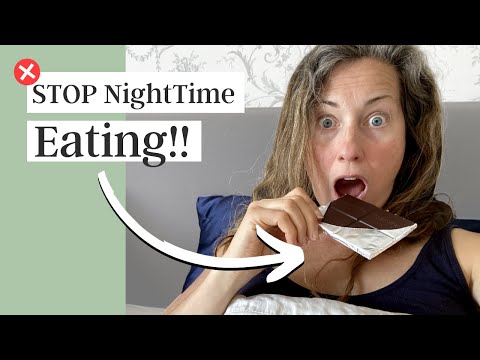
Hey! So, have you ever heard of Night Eating Syndrome? It’s this thing where people eat a lot at night, which can totally mess with their sleep and mood. It’s kind of tricky, right?
Imagine feeling fine all day, but when the sun goes down, you find yourself raiding the fridge like it’s a midnight snack buffet. Yup, been there!
But here’s the deal: psychological therapy could be a game changer for dealing with it. Seriously! It’s not just about willpower or counting calories. It’s more about understanding what’s really going on behind those late-night munchies.
Let’s dig into how therapy can help you manage this whole thing. Sound good?
Effective Strategies to Overcome Compulsive Night Eating: A Guide to Healthier Habits
So, let’s chat about something that stirs up a lot of feelings for folks—**compulsive night eating**. That’s when you find yourself reaching for snacks when the sun goes down, not because you’re hungry, but because of other reasons. It can mess with your sleep, diet, and overall mood. Getting a handle on it isn’t easy, but there are effective strategies to help you shift those late-night habits.
One thing that really helps is **psychological therapy**. It gets to the root of why you’re munching away in the dark. Imagine sitting with a therapist, unpacking your feelings. It’s like cleaning out a messy closet; once everything’s laid out, you can see what needs fixing.
- Identify Triggers: Figure out what sets off those cravings. Is it stress? Boredom? Or maybe it’s a habit formed over time? Keeping a journal can help portrait patterns.
- Mindful Eating: This means paying attention to what you’re eating and why you’re eating it. The next time you grab that bag of chips at 10 PM, pause for a moment and ask yourself if you’re truly hungry.
- Establish Routines: Having a nighttime routine can make all the difference! This could include reading or taking a warm bath instead of heading straight to the fridge.
- Coping Mechanisms: Learn healthier ways to deal with emotions or stress. Techniques like deep breathing or meditation can really help calm those cravings.
Think about this: last week I was chatting with my friend Sarah who struggled with this for ages. She used to binge-watch shows while snacking every night without even realizing it. Once she started recognizing her patterns and swapped her chips for herbal tea during her shows, she noticed she felt less compelled to eat at night.
Also important is **adequate sleep**—it’s kind of like magic! When you’re well-rested, your brain behaves better and tends to crave less junk food late at night. So make your sleep space cozy and establish boundaries around bedtime.
And let’s talk about support systems! You don’t have to go through this solo; having someone who understands can lighten the load tremendously. Whether it’s friends or support groups online or in-person—it makes navigating this journey way easier.
Finally, remember that change takes time. You might stumble here and there along the way—that’s just part of being human! The key’s not perfection but progress.
So keep it going! With these strategies in hand and some patience with yourself, overcoming compulsive night eating is totally within reach.
How Therapy Can Effectively Address Night Eating Syndrome
Night Eating Syndrome (NES) is one of those conditions that can really mess with your sleep and overall well-being. You know how some people snack late at night? Well, NES takes that to another level. It’s not just about enjoying a midnight snack; it often involves a pattern of eating that can lead to feelings of distress and even affect your mood.
So, how does therapy come into play here? Basically, therapy can help you understand the reasons behind this behavior. It’s like shining a light in a dark room—you get to see exactly what’s going on. Therapy provides a safe space for you to explore your emotions around food, sleep patterns, and even stress levels.
Cognitive Behavioral Therapy (CBT) is usually the go-to approach for dealing with NES. The thing about CBT is that it focuses on changing negative thought patterns that contribute to unhealthy behaviors. For example, if you find yourself snacking out of boredom or anxiety, CBT helps you pinpoint those triggers and offers strategies for healthier coping mechanisms.
You might be wondering what those strategies look like. They can involve things like keeping a food diary or learning relaxation techniques before bed. Imagine writing down what you eat each night and how you’re feeling—it’s kind of like uncovering hidden patterns in your behavior! This self-awareness can be super powerful.
In addition to CBT, mindfulness-based approaches can also be helpful. Mindfulness teaches you to stay present and aware without judgment. Instead of mindlessly munching while watching TV, mindfulness encourages you to really taste your food and pay attention to your hunger cues. That way, when it’s actually time to eat, you enjoy it more instead of just going through the motions.
Now let’s talk about group therapy or support groups often recommended alongside individual therapy. Sometimes sharing your experiences with others who get it can be therapeutic in itself. Hearing someone say, “I’ve been there too” can make a world of difference.
Therapy often addresses underlying emotional issues too—like anxiety or depression—that could be fueling those late-night cravings. Let’s say someone has had a rough day at work; they might turn to snacks as comfort food during vulnerable late hours. In therapy, they would learn how to face those feelings head-on rather than reach for chips or ice cream as a quick fix.
At times medication may also come up as an option in treatment plans but keep in mind that it’s usually combined with therapy for the best results. Medications may help manage symptoms like anxiety or depression if they’re tied into the night eating saga but discussing these options should always happen with a healthcare professional who knows your history.
All things considered, addressing Night Eating Syndrome through psychological therapy is all about understanding yourself better! It’s less about strict diets or counting calories and more about figuring out why late-night eating became a habit in the first place—and then empowering yourself with tools and strategies so you don’t have to rely on food when life gets tough.
Finding the right therapist for this journey is key too! Connection matters—a good rapport helps make those tough conversations easier over time.
So yeah, if NES has been getting under your skin lately (or more accurately—keeping you up at night), remember that therapy isn’t just an option; it could very well lead you toward healthier nights ahead!
Exploring the Link: The Most Common Psychiatric Disorders Associated with Night Eating Syndrome
Night Eating Syndrome (NES) is a real thing, and it can seriously mess with your life. People with NES typically find themselves eating large amounts of food at night, often after dinner or even during the night. It’s like your body suddenly decides that the midnight snack is the *main event* rather than an afterthought. But here’s where it gets tricky: NES doesn’t exist in a vacuum. It often comes along with other psychiatric conditions that can complicate things even more.
Depression is one of the most common partners in crime when it comes to NES. Many people who struggle with depression might turn to food as a comfort. Think about those nights when everything feels heavy and sad; indulging in a bowl of ice cream can feel like a warm hug, right? Unfortunately, this can turn into a cycle where eating late at night contributes to feelings of guilt or shame, which then worsens depressive symptoms. So, it kinda feeds itself.
Then there’s Anxiety. A lot of folks dealing with anxiety find themselves restless at night when their mind just won’t shut off. In those moments, snacking might seem like a way to cope—keeping your hands busy or providing a distraction from racing thoughts. Just imagine lying awake feeling anxious about tomorrow’s meeting; grabbing something to eat might feel like a quick fix to soothe those nerves.
Another one related here is Sleep Disorders, like insomnia. If you’re not getting enough sleep, your body may crave more energy sources late at night, which can lead to bingeing on carbs or sugars that give you that quick boost—or what feels like one anyway! It’s kinda like your body saying, “Hey! I need fuel!” But what ends up happening is you might throw off your sleep cycle even more.
Let’s not forget about Binge Eating Disorder (BED). There’s definitely overlap between BED and NES; binge eating involves consuming large quantities of food in a short period and often includes feelings of loss of control during the act. If someone has been diagnosed with BED, they might find that their binge episodes tend to happen late at night when they think no one’s watching or judging them.
And then there’s Substance Use Disorders. Some individuals may use alcohol or recreational drugs as part of their nighttime routine which sometimes lowers inhibitions around eating. You know how after a few drinks everything looks delicious? That mix can spell trouble for creating healthier eating patterns.
So what does all this mean for managing Night Eating Syndrome? Well, psychological therapy can play a huge role in addressing these intertwined issues. Cognitive Behavioral Therapy (CBT) is one approach that focuses on changing negative thought patterns and behaviors associated with both NES and its accompanying disorders. By tackling these root problems head-on in therapy sessions—like understanding triggers for nighttime cravings—you start breaking down those cycles.
In summary:
- Depression: Can lead to emotional eating during the night.
- Anxiety: Restlessness may prompt snacking to distract from worries.
- Sleep Disorders: Poor sleep can trigger cravings for energy sources.
- Binge Eating Disorder: Overlap exists in patterns of late-night bingeing.
- Substance Use Disorders: Alcohol/drugs may lead to unhealthy snacking habits.
Addressing NES isn’t just about cutting calories but also understanding what drives those nighttime cravings and working through emotional struggles along the way. It’s more than just hunger—it’s about digging into what makes you tick during those quiet hours when you’re all alone with your thoughts…and snacks!
Night Eating Syndrome (NES) is one of those things that a lot of folks deal with but don’t really talk about, you know? Like, imagine tossing and turning in bed, and instead of drifting off, you find yourself sneaking to the kitchen for some late-night snacks. It’s more than just midnight cravings—it’s an emotional rollercoaster tied to stress, anxiety, and your overall mood.
I remember a friend telling me about her struggles with NES. She’d often stay up late after a long day, feeling this weird mix of loneliness and boredom. Those chips and cookies became her comfort food. But the thing is, it wasn’t just about satisfying hunger; it was more like filling a void she felt inside. It became clear she was using food as a way to cope.
So here’s where psychological therapy comes in. It’s like having a toolbox to help you navigate through those feelings. Cognitive Behavioral Therapy (CBT) can be super effective for NES since it helps identify the thoughts and behaviors that lead to night eating. You’ll work on understanding why you might be drawn to food at night instead of addressing what’s bothering you emotionally.
Therapists often encourage you to keep a diary or journal—seriously! It sounds simple, but jotting down your feelings before bedtime can reveal triggers you might not even notice when you’re caught up in the moment. You might see patterns emerge: like how stressful days lead straight into midnight fridge raids.
Another big part is learning new coping mechanisms. Instead of heading for that stash of snacks when you’re feeling down or anxious, therapy can help you develop healthier strategies—like reading a book or doing some relaxing stretches before bed.
Of course, progress takes time. Some nights might still tempt you back into those old habits. But the key is to remember it’s okay—you’re human after all! Breaking patterns isn’t easy; it’s like rewiring your brain bit by bit.
So if you’re finding yourself wrestling with NES or know someone who is, reaching out for help through therapy can make a huge difference. You’re not alone in this journey; lots of folks are navigating similar paths towards better nights and healthier habits!