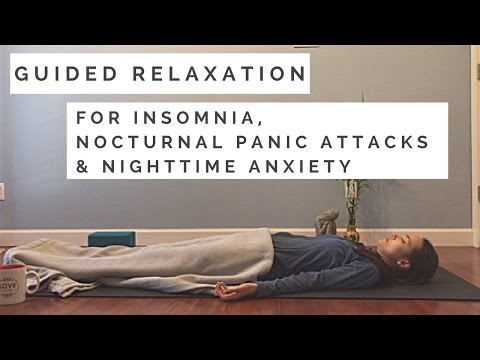
You ever wake up in the middle of the night, your heart racing, like you just ran a marathon? Yeah, that’s not fun. It’s like your mind suddenly decided to throw a wild party when all you wanted was a good night’s sleep.
Night panic is a real thing. And it can be terrifying. You feel all alone, trapped in darkness while your thoughts go wild.
But you’re not alone in this. Lots of people experience those anxious moments when they should just be resting. Seriously, it can really mess with your sleep and mood.
In this little chat, we’re gonna dig into what’s behind those pesky night panics. We’ll talk about why they happen and some ways to find your calm when the lights go low. Ready? Let’s take a look together!
Understanding Nocturnal Panic Attacks: Causes, Symptoms, and Effective Coping Strategies
So, you’re in bed, dreaming sweetly, when bam! You wake up feeling like a freight train just hit you. That’s what it’s like to have a nocturnal panic attack. Seriously, it can be super scary. Let’s unpack this.
First off, what even are these things? Nocturnal panic attacks happen during sleep and can feel just like regular panic attacks: racing heart, shortness of breath, or even chills. You might wake up feeling totally disoriented or just plain freaked out—like something is very wrong.
Now, if you’re wondering about the causes, they can vary. Some common triggers include:
- Stress: Big life changes or ongoing stress can trigger these attacks.
- Anxiety disorders: If you have general anxiety or other mental health issues, you’re at a higher risk.
- Sleep disorders: Conditions like sleep apnea can mess with your peaceful shut-eye.
- Caffeine and alcohol: Overdoing it on these substances can crank up anxiety levels at night.
Let’s talk about symptoms for a sec. Besides the classic panic attack feelings mentioned earlier, people often report:
- dizziness
- sweating
- a sense of impending doom
- waking up and feeling confused or terrified
It’s not fun at all—imagine waking up and thinking something terrible is happening but not knowing why!
Now for some effective coping strategies. If you find yourself in this situation often (or even if it happens just once), here are a few things that could help:
- Create a relaxing bedtime routine: Wind down before bed with calming activities like reading or taking a warm bath.
- Lifestyle changes: Try reducing caffeine intake and avoid alcohol. They might mess with your sleep patterns.
- Pillow talk: Chat with someone close about your fears—I mean really dive into how you’re feeling. Sometimes just expressing it makes things feel less overwhelming.
- Meditation and deep breathing: These techniques can help calm your brain before hitting the sack.
And hey—sometimes professional help is key too! Talking to a therapist who gets anxiety disorders may provide you with tools tailored to your situation.
So basically? Nocturnal panic attacks might feel isolating but know you’re not alone in this. A lot of folks face them. With some understanding and coping strategies under your belt, you’ll navigate those nighttime shadows with a bit more confidence!
Understanding the Nighttime Anxiety: Tips to Overcome Sleep-Inducing Panic
So, you’re lying in bed at night, heart racing, mind racing even faster. Welcome to the world of nighttime anxiety, or as some like to call it, sleep-induced panic. It can feel like you’re trapped in a dark room where the shadows are way too loud. But here’s the thing: you’re not alone in this.
Nighttime anxiety often hits when you’re trying to wind down. The day’s stress creeps back in, and suddenly every worry from your job to personal relationships feels magnified. Maybe you’ve had nights where you just toss and turn like a fish out of water, or maybe it even leads to full-blown panic attacks.
What’s happening here? Your body is basically running on high alert—your brain thinks there’s danger lurking, even if there’s really not. So what can you do about it? Let’s break down some simple strategies that might help ease those nighttime freak-outs.
- Create a calming bedtime routine: Think of this as a way to signal your mind that it’s time for sleep. Maybe it’s reading a book (not on that phone), sipping herbal tea, or taking a warm bath. You want to do these things consistently so your brain understands, “Okay, relaxation time!”
- Limit screen time: This one’s tough but super important. The blue light from screens can mess with your melatonin levels—the hormone that helps regulate sleep. Try putting away screens an hour before bed.
- Breathe and relax: Simple breathing exercises can help ground you during those overwhelming moments. Inhale deeply through your nose for four counts, hold for four counts, then exhale slowly through your mouth for six counts. It’s like hitting the reset button!
- Avoid heavy meals before bed: Eating too close to bedtime can lead to discomfort and disrupt your sleep—and who needs that? Aim for light snacks if you’re hungry!
- Create a comfortable sleeping environment: This means keeping your room dark and cool—think cozy cave vibes! You might need blackout curtains or even an eye mask to block out unwanted light.
The emotional toll of nighttime anxiety can be brutal; I remember this one friend who spent countless nights staring at the ceiling, feeling utterly helpless against their own thoughts. It took them ages to realize that sometimes talking about those worries with someone could really help ease their mind before bedtime.
If these strategies don’t quite cut it and nighttime panic feels relentless (like some sort of bad horror movie), consider reaching out for professional support—therapy can be a game-changer! A therapist trained in cognitive-behavioral therapy (CBT) could teach you tools specifically designed for dealing with anxiety.
Your mental health is super important! No one should have to face the night alone; there are paths toward peaceful sleep waiting for you if you’re up for exploring them! So keep trying different tactics until something clicks—it might just take a bit of time and experimentation.
Exploring the Risks: Can Panic Attacks During Sleep Be Fatal?
Panic attacks are no fun, right? But can they happen while you’re snoozing? Yeah, they really can. It’s called “nocturnal panic attacks,” and it’s more common than you might think. You may wake up in a complete sweat, heart racing like you just ran a marathon. It’s a wild experience.
Now let’s get into the juicy stuff—can these nocturnal panic attacks be dangerous or even fatal? Here’s the deal: While they’re super scary and can feel life-threatening, they’re generally not fatal. Seriously. You’re not going to just stop breathing and die from one of these attacks.
But there are some factors to consider. If you have underlying health issues like heart problems or severe anxiety disorders, it could complicate things a bit. Stress does weird stuff to your body, especially if you already have other conditions at play. So keeping track of your overall health is important.
Also, listen to this: when you’re in deep sleep and suddenly overwhelmed by panic, your body reacts as if there’s an actual threat—like an angry bear chasing you! You might hyperventilate or feel dizzy. That’s just your body’s fight-or-flight response kicking in.
The symptoms of nocturnal panic attacks usually mirror daytime ones: rapid heartbeat, shortness of breath, chest pain, sweating, chills—basically all the classic favorites! Imagine waking up thinking there’s an elephant on your chest. That would freak anyone out!
Now picture this: Sarah woke up one night feeling like she was suffocating. Heart pounding and gasping for air, she thought maybe she was having a heart attack. It took her some time to calm down and realize it was just another panic attack sneaking up on her during sleep.
So what can be done about it? Here are some things that might help:
- Establish a calming bedtime routine.
- Avoid caffeine and heavy meals before bed.
- Practice relaxation techniques like deep breathing.
- If needed, seek help from a therapist who knows their stuff about anxiety.
Talking with someone can work wonders because they can provide strategies tailored to your needs.
In summary: Nocturnal panic attacks feel super intense but aren’t usually life-threatening by themselves. However, if you’re having them often or they’re getting worse, don’t hesitate to reach out for help! Your mental health is so important—don’t ignore those red flags!
Nighttime can be a real battleground, you know? Like, you’re all cozy in bed, ready to drift off. But then, suddenly, your brain decides to throw a party of worries and fears that just won’t quit. That’s the thing with sleep anxiety; it sneaks up on you when you’re most vulnerable.
I remember this one night, laying there almost dozing off when my mind started racing. Why did I say that awkward thing at work? What if I never get that promotion? It felt like I was trapped in my own head, and it was dark—the kind of dark that presses in on you. The clock ticks painfully slow, and each minute feels like an hour while panic wraps around your chest tighter and tighter.
Some people might think it’s just about being scared of the dark or bad dreams, but it digs deeper than that. It’s more about the overwhelming feeling of losing control or facing thoughts you’ve pushed aside all day long. You know how it gets—your mind can be like that annoying friend who won’t stop bringing up things you’d rather forget.
So what do you do when those shadows creep in? Maybe you try breathing exercises or focus on something calming. I’ve heard folks talk about visualizing a safe place—a sunny beach or a favorite childhood spot. But let’s be real; sometimes even those tricks feel futile when your mind’s running laps like an athlete who just won’t stop.
Finding ways to cope is essential though. Talk to someone who gets it; share how it feels to have your sleep interrupted by anxiety monsters lurking in the corners of your mind. There’s comfort in knowing others experience the same feelings—even if they seem hard to explain.
Getting through nights filled with panic isn’t easy, but you’re not alone in this struggle. Sometimes simply acknowledging how tough it is can lighten the load just a bit. And hey, maybe tomorrow night will be better—there’s always hope for quieter dreams ahead!