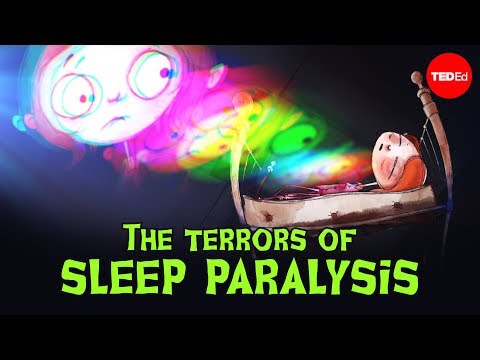
Have you ever woken up, totally frozen, unable to move? Your heart’s racing and you’re pretty sure something’s lurking in the shadows? Yeah, that’s sleep paralysis, and it can be terrifying.
And what about those nights when you feel like you’re screaming but no sound comes out? That’s night terrors—it’s not just a bad dream; it’s a whole experience.
Trust me, you’re not alone in this. These feelings can hit anyone. They’re wild, confusing, and honestly kind of scary. Let’s chat about what really goes on when we drift off into that weird nighttime world.
Exploring Mental Illnesses Linked to Night Terrors: Understanding the Connection
So, night terrors, huh? They can be pretty intense. You’re not just waking up from a bad dream—people often describe them as feeling like they’re in the middle of a nightmare, even if they can’t recall the specifics later on. It’s wild how common they are, especially in kids, but adults can experience them too.
Now, when we talk about mental illnesses linked to night terrors, we start to uncover some connections that might surprise you. Here’s how it breaks down:
- Sleep Disorders: Night terrors often show up alongside other sleep issues like sleep apnea or insomnia. Seriously, if someone has restless nights regularly, it can set the stage for these terrifying episodes.
- Stress and Anxiety: If your mind is racing with worries during the day, it might just follow you into your dreams—or nightmares. Stressful life events or anxiety disorders can contribute significantly to the frequency of night terrors.
- PTSD: For those who’ve had traumatic experiences, night terrors can be part of the package deal. They reflect the body processing distressing memories in a not-so-friendly way.
- Mood Disorders: Depression and bipolar disorder have been linked to various sleep disturbances as well. So if you’re struggling with your mood during the day? It could be affecting how you sleep at night.
What happens during a night terror? Basically, someone might scream or thrash around while still being mostly asleep. Like this one time my friend told me about his little brother—it was seriously scary! The kid was shouting and sweating but had no memory of it when he woke up. Can you imagine that panic?
Another interesting thing is that people experiencing these episodes often don’t respond easily to comfort—you might try hugging them or talking softly, but they may not even recognize you’re there! It’s unsettling.
If you’re wondering why these connections matter: understanding that there’s a broader picture involving mental health is key for addressing night terrors effectively. Tackling underlying issues like stress or anxiety could help reduce those midnight scares.
So yeah, while night terrors are intense on their own, they can actually point to deeper struggles within our mental health landscape. Nighttime fears telling stories about daytime stress—it’s kind of wild but makes sense when you think about it!
Exploring Freud’s Insights on Sleep Paralysis: Unraveling the Mind’s Nightmares
Freud had some pretty interesting thoughts about sleep and our dreams. He viewed sleep as a gateway to the unconscious mind, a place where repressed feelings and conflicts come out. You know what I mean? He thought that, during sleep, our minds are still at work, processing everything we’ve experienced.
Now, when it comes to **sleep paralysis**, Freud saw it as more than just an annoying phenomenon. He believed it was connected to our deepest fears and desires. It’s like your body’s awake, but your mind is still caught in a web of unresolved issues or emotional turmoil. Imagine waking up and feeling like you can’t move while shadows loom over you—totally terrifying!
Some key points from Freud’s perspective include:
- Dream Interpretation: Freud thought dreams were expressions of our hidden anxieties. Night terrors might reflect something troubling in our waking life that we haven’t faced.
- Repressed Emotions: Sleep paralysis can be seen as a manifestation of repressed stress or fear. The feelings that paralyze you at night might be tied to unsolved conflicts.
- Symbolism: For Freud, everything has meaning—even nightmares. He would say the figures we see during sleep paralysis could symbolize aspects of ourselves that we’re avoiding.
Imagine someone who has unresolved tension at work; they might find themselves experiencing sleep paralysis—an eerie reminder that they need to confront their stressors.
Freud’s ideas also touch on something called **»the return of the repressed.»** When we try hard to suppress feelings, they don’t just vanish; they come back in other ways—like those strange experiences where you’re stuck between sleeping and waking.
Sleep paralysis is often paired with sensations of dread or feeling a presence in the room, which can feel overwhelmingly real. Freud believed these experiences are linked to inner conflicts; it’s as if your subconscious is saying, “Hey! Pay attention to me!”
In practice, understanding this connection can help you process what you’re going through in your daily life. If you’re experiencing night terrors or sleep paralysis regularly, think about what’s bothering you beneath the surface.
Wrapping it up: Freud gave us a way to look deeper into what happens during sleep paralysis—not just biologically but emotionally too. It’s all about those hidden fears and desires bubbling under the surface while we dream—or not quite dreaming at all!
Understanding Sleep Paralysis: Is It a Psychotic Episode or a Sleep Disorder?
Sleep paralysis can be a seriously creepy experience, right? Picture this: you’re asleep, and suddenly, you wake up but can’t move or speak. Your mind is racing, but your body feels like it’s glued to the bed. You might see strange shapes in the room or feel a weight on your chest. It can feel real enough to freak anyone out. So, the big question is: is this just a sleep disorder or something more like a psychotic episode? Let’s break it down.
First off, sleep paralysis is considered a sleep disorder. It usually happens when you’re transitioning between sleep and wakefulness. This means your brain wakes up before your body does. Sounds frustrating, huh? During that weird in-between state, people sometimes have vivid hallucinations—those can range from feeling pressure on the chest to seeing figures lurking around. Not fun at all!
But here’s where things get tricky. Some folks think of sleep paralysis as part of a psychotic episode because of those intense hallucinations. However, it’s different from something like schizophrenia or other psychotic disorders. While both can involve hallucinations, the context matters a lot. With sleep paralysis, you’re in that half-asleep state when these things happen.
Now let’s dive into some key points about sleep paralysis:
A lot of factors can contribute to how often you experience it too—stress, lack of sleep, or even sleeping positions (seriously!). Some people find sleeping on their back seems to trigger episodes more than other positions.
I knew someone who went through this; she thought she was losing her mind! One night she woke up paralyzed and swore she saw someone standing by her bed! Turns out she was just having an episode of sleep paralysis while dealing with some serious life stress.
So yeah, while those experiences can seem super real and even scary enough to make someone think they might be having some kind of psychotic break, they’re typically just part of how your brain handles waking up from deep sleep. The important thing is if these incidents start happening frequently or are really impacting your life; then talking it out with someone who knows their stuff in mental health is crucial.
Understanding this difference helps you take better care of yourself because knowledge makes things less frightening! Remember that while having those experiences might suck big time, they’re not necessarily signs that something’s wrong beyond what good ol’ stress or sleepless nights can cause. So when you hear “sleep paralysis,” don’t jump to panic mode—it’s often just plain old brain miscommunication at work!
Night terrors and sleep paralysis are two of those mysterious experiences that can totally freak you out. Imagine drifting off to dreamland only to wake up paralyzed, feeling like there’s something heavy on your chest. It’s terrifying, right? I remember talking to a friend who had these episodes frequently. One night, she woke up screaming because she thought someone was in her room, but when she tried to move, nothing happened. The fear in her eyes as she told me about it was real. It’s not just a bad dream; it feels like a nightmare that spills over into reality.
So, what’s going on when these things happen? Night terrors often occur during deep sleep stages, which is when our bodies are supposed to be recharging. You might wake up in sheer panic without even remembering what triggered it. Like, your brain is stuck between dreaming and waking up. It can happen more often in kids but sometimes lingers into adulthood. That feeling of dread can hang around well after you’re awake.
Then there’s sleep paralysis, which usually happens when you’re caught between being asleep and awake. Your mind is alert, but your body isn’t ready to cooperate. You might see things or feel pressure on your chest—a sign that your mind’s playing tricks on you while your body remains locked down for a few seconds or even minutes! This phenomenon can be so vivid and scary that people often think they’re experiencing something supernatural.
Psychologically speaking, both of these conditions can be tied to stress or anxiety levels in your life. It’s like they’re manifestations of the tension we carry around every day—our minds need a way to express that overwhelming stuff somehow, right? If you’re stressed out at work or dealing with personal issues, it might show itself in how you sleep.
For those who experience these incidents regularly, talking about them helps a ton! Sharing those stories—like my friend did with me—can make it feel less lonely and frightening. Sometimes just knowing you’re not alone is enough to ease the anxiety surrounding them.
In short, night terrors and sleep paralysis can really mess with your head (and heart). Understanding them from a psychological angle adds some insight into why they happen and how common they actually are. So if you’ve ever gone through this wild ride of fear during the night, just know you’re in good company!