You know those days when you sneak in a nap and wake up feeling like you just jumped out of a horror movie? Yeah, that’s real.
Night terrors can hit hard, even during the day. They’re not just about bad dreams; they mess with your mind and body too.
Imagine being jolted awake, heart racing, unable to shake that feeling of sheer panic. It’s wild, right?
We’re diving into why this happens and what it means for your sleep. Buckle up—it’s gonna be a ride!
Exploring Night Terrors: Understanding the Mental Illnesses Associated with Sleep Disturbances
Night terrors can be pretty unsettling, right? If you, or someone you know, experiences them, you probably have a lot of questions. So let’s break it down and get a better grip on what these intense sleep disturbances really are.
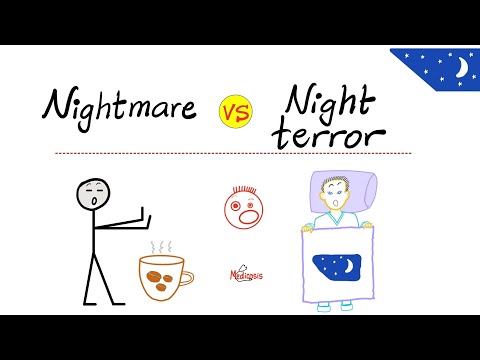
First off, night terrors are not the same as nightmares. You might wake up from a nightmare feeling scared and remembered that dream vividly. But with night terrors, it’s more like waking up in a complete panic without even realizing what happened or being able to recall any details. It’s like your brain is throwing a surprise party—but instead of cake and balloons, it’s just confusion and fear.
Though they can occur at any age, they’re most common in kids. Imagine this: A child suddenly sitting up in bed screaming or looking like they’re frozen in fright. They might even talk nonsense or thrash about. The thing is, they often don’t remember the event when they wake up! Scary stuff for both the kid and the parents.
There are some mental health issues tied to night terrors too, which might surprise you. These could include conditions like anxiety disorders or post-traumatic stress disorder (PTSD). That means if someone has unresolved trauma or high levels of stress during the day, it could manifest as night terrors at night.
Sleep disorders can also play a role here. Sleep apnea—where breathing repeatedly stops and starts during sleep—could lead to these episodes as well. So you’re not just dealing with one problem; it’s often interconnected with other health issues.
Here’s another thing to consider: sleep deprivation can heighten the chances of night terrors occurring. When your body doesn’t get enough rest over time, it’s more prone to freak out while trying to catch those Z’s. Basically? Your brain’s exhausted! And when you’re exhausted, things can get weird.
If you’re looking for ways to help manage this issue—beyond making sure to get enough sleep—establishing a calming pre-sleep routine could be key. Think about relaxing activities before bed like reading a book or listening to soothing music rather than scrolling through your phone for hours on end (seriously!).
Sometimes talking about what happened with someone close can also help ease anxiety around sleep—like discussing how your day went or what’s bothering you before bedtime.
So what’s the bottom line here? Night terrors aren’t just about scary dreams; they’re complex experiences that involve emotional health too. Understanding how they relate to other mental illnesses can lead us toward better management strategies and help make those nighttime disturbances less terrifying—for everyone involved!
Understanding Sleep Disorders: The Connection to Night Terrors Explained
Sleep is a pretty crucial part of our lives, right? But sometimes, it doesn’t go as smoothly as we’d like. One of the more unsettling sleep issues is night terrors, specifically when they pop up during naps. So let’s break this down.
Night terrors, or sleep terrors, typically happen in the first few hours of sleep during deep non-REM sleep. They’re not like nightmares where you wake up feeling scared but can remember what happened. With night terrors, you often don’t have much memory of the episode after it happens.
So what’s going on during these terrifying moments? When someone experiences a night terror, they might suddenly sit up in bed, scream, or even act out in ways that seem completely out of control. They might look terrified but often aren’t awake and aware of their surroundings. It can be really freaky for anyone witnessing it!
While many kids might experience this (it’s quite common), adults aren’t immune either. Stress, sleep deprivation, and even certain medications can trigger them—basically throwing your brain into chaos during those all-important zzz’s.
Now let’s talk about the connection to naps. You might think napping should be restful and refreshing. However, if you’re taking long naps or napping at odd times, your body could slip into deep sleep too quickly. That jump to deep sleep can increase the chances of having a night terror episode.
It might help to understand that night terrors are often tied to sleep disorders like obstructive sleep apnea or restless legs syndrome. If you’re already struggling with these issues when you drift off for a nap, you could be putting yourself at risk for a pretty intense fright fest.
So how do you deal with this? Keeping a consistent sleep schedule is key—like making sure you’re not napping too late in the day or sleeping way longer than intended. Sticking to regular bedtime routines can help lower your chances of experiencing night terrors.
In summary:
- Night terrors occur during deep non-REM sleep.
- People may scream or act frightened without waking up.
- A nap that goes too long might push you into deeper sleep.
- Stress, sleeplessness, and medications play roles.
- A consistent sleep routine can help manage risks.
If night terrors become frequent—or if they leave you feeling exhausted—it could be time to chat with a healthcare provider about it! You want your zzz’s to be peaceful instead of puzzling, right?
Understanding Night Terrors: Can They Occur During Naptime?
Night terrors, huh? They can be pretty unsettling. These episodes usually happen when someone is caught between sleep stages—specifically, during deep non-REM sleep. It’s like your brain sort of freaks out while you’re snoozing. Now, you asked if they can occur during naptime, and the short answer is: yes, they absolutely can.
First off, let’s clarify what night terrors are. Imagine waking up suddenly feeling intense fear or panic. Your heart’s racing, you might scream or thrash around, and for a moment, you don’t even realize it’s all just a bad dream. Often people experiencing night terrors don’t remember them at all when they wake up; it’s like their brain just hits the delete button.
So, can these spooky experiences happen during a nap? Totally! Napping is actually a great way to catch some extra shut-eye in the day. But if you drift off into deep sleep too quickly or if you’re super tired when napping, it raises the chances of having a night terror.
Here are some key points to consider:
- Sleep Stages Matter: Night terrors usually take place in the deeper stages of non-REM sleep. If your nap is long enough that you hit that deep sleep phase, then yes—you could experience them.
- Age Factor: Kids are more prone to night terrors than adults. So if your little one has been napping and suddenly wakes up screaming about monsters under the bed—yeah, that could be a night terror.
- Triggering Factors: Stress, fatigue, or irregular sleep patterns might make someone more vulnerable to night terrors during naps or at night.
- No Harm in Napping: While napping isn’t inherently bad for your health—especially if you’re feeling run-down—you should be aware of how your body responds to those snoozes.
Imagine this: A friend of yours takes a quick nap after a long day. She drifts off peacefully but suddenly bolts upright—screaming! It’s startling and confusing for her (and anyone nearby). What’s worse? When she wakes up fully, she doesn’t even remember what scared her in the first place! That’s how unpredictable these things can be.
And just so we’re clear—it’s not just kids who experience night terrors. Adults do too! Although it might not happen as often with grown-ups, stress from work or life changes can definitely play into it.
In simpler terms: if you’re taking that much-needed midday power nap and you find yourself struggling with bizarre and frightening dreams or waking up disoriented and scared—it could very well be those pesky night terrors making an appearance during your snooze time.
Keeping track of your sleep patterns is super important here because recognizing what’s happening might help manage those experiences better! Remember though: if the night terrors are frequent or affecting daily life significantly—that’s when reaching out to a healthcare professional makes sense.
So yeah—next time someone mentions being spooked awake from their daytime slumber? You’ll know exactly what they’re talking about!
Night terrors, especially during naps, can be super unsettling. Imagine this: you’re in the middle of a cozy afternoon snooze, maybe dreaming about your next vacation or just chilling on a beach. Suddenly, you wake up in panic, heart racing, and feeling totally disoriented. You’re not quite sure where you are or what’s happening. Yeah, that would freak anyone out.
So what’s the deal with night terrors? Well, they tend to hit during non-REM sleep stages—basically when your body is still pretty deep in slumber. It’s not like regular dreams; they’re more intense and often come with that gut-wrenching fear that feels all too real. You might not even remember them afterward! That’s one of the wildest parts. You’re thrashing around, perhaps yelling or screaming, but once you actually wake up? The memories are hazy at best.
For some folks, these night terrors can be triggered by stress or lack of sleep—like when you’ve had a crazy week juggling work and life stuff. Lemme tell ya, I had a friend who went through this phase where she’d take afternoon naps to catch up on rest because she was burned out at her job. And it got so bad that she’d wake up screaming for no obvious reason! It took a while for her to figure out it was tied to her overall stress levels.
It can feel isolating too; you might think you’re the only one going through this bizarre experience. But trust me; night terrors aren’t as rare as they seem. If you’ve ever felt embarrassed about it, don’t—you’re definitely not alone.
Managing these episodes usually involves tackling whatever’s causing the stress or anxiety in your life. Sometimes keeping a consistent sleep schedule helps; other times it’s all about creating a calming pre-sleep routine—maybe some soothing tea or reading before catching those Zs.
So if you’re dealing with night terrors during naps or at night, remember: you’re not weird for having them. It’s just one of those quirky human experiences that many people face at some point or another!