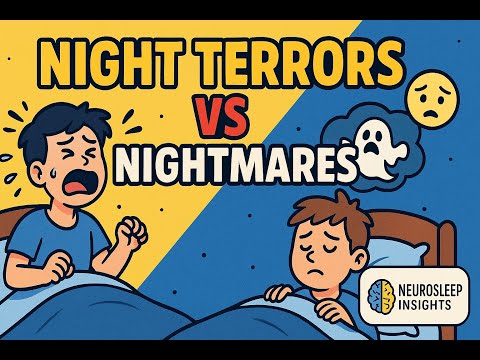
So, you ever wake up in the middle of the night, heart racing, like you just ran a marathon? You’re not alone. Night terrors are a thing, and they can be pretty intense.
Imagine this: you’re screaming, flailing around, but you don’t even know why. It’s terrifying! And here’s the kicker—you might not even remember it in the morning. Crazy, right?
A lot of people go through this. Seriously, it’s more common than we think. But what’s going on in your head during those moments? That’s what we’re gonna unpack here: the psychology behind night terrors and how you can find some support.
Whether you’ve experienced them yourself or know someone who has, there’s hope and help out there. Let’s dive into this wild world together.
Effective Ways to Support a Loved One Experiencing Night Terrors
Supporting a loved one dealing with night terrors can be tough, but there are effective ways to help them through these scary episodes. So, what can you do? Let’s break it down.
Understand What Night Terrors Are: First off, it helps to know that night terrors aren’t just bad dreams. They usually happen during deep sleep and can cause intense fear and panic. Your loved one might scream, kick, or even talk incoherently. You might feel helpless watching them go through it.
Create a Safe Sleeping Environment: It’s super important to make their sleep space as safe as possible. Remove sharp objects from around the bed and keep windows locked. Try to maintain a calm atmosphere—soft lighting or calming scents can help too.
Establish a Routine: Consistency is key when it comes to sleep. Help them stick to a regular sleep routine, going to bed and waking up at the same time every day. This stability can reduce night terrors over time.
- Limit Stress: Stress is often a trigger for night terrors, so encourage relaxation techniques like meditation or deep breathing exercises before bed.
- Avoid Stimulants: Cut back on caffeine or sugar in the evenings. These substances can mess with sleep quality and increase anxiety levels.
Your Role During an Episode: When a night terror strikes, stay calm! It’s natural to feel alarmed, but your loved one isn’t aware of you during the episode—they’re in another world entirely. Gently guide them back to bed without waking them up if possible. Just being there is comforting.
If They Wake Up: Once they settle down, they might not even remember what happened—this is normal! Reassure them that they’re safe and that it’s okay to talk about it if they want.
Something that worked for a friend of mine was just saying something like, “Hey, I know that was scary; you’re alright now.”
Encourage Professional Help If Needed: If these episodes are frequent or getting worse, suggest seeking help from a therapist or doctor who specializes in sleep disorders. They can offer specific strategies tailored just for your loved one.
You’re doing something great by supporting someone through this challenging experience! Just being patient and understanding goes a long way in helping them cope with night terrors.
Understanding Night Terrors: Do They Indicate Underlying Psychological Issues?
Night terrors can be pretty scary, right? You wake up screaming, your heart racing, and you have no clue what just happened. So, what’s the deal with these intense episodes? Do they suggest something deeper going on in your mind?
First off, night terrors are different from nightmares. They usually occur in the first few hours of sleep and involve sudden episodes of intense fear or panic. You might sit up in bed, scream, or even thrash around. And while you might have absolutely no memory of it the next day, your body is on high alert.
You’re probably wondering if these episodes indicate any kind of underlying psychological issues. Well, here’s the thing: they can sometimes pop up due to stress or anxiety. But seriously, that doesn’t mean everyone who has night terrors has a big mental health problem lurking beneath the surface.
- Stress and Anxiety: Life can throw some curveballs at you. Job pressure, relationship issues, or anything that makes you anxious can trigger night terrors.
- Sleep Disorders: Conditions like sleep apnea or insomnia might lead to disturbances during sleep that cause night terrors.
- Childhood Factors: Kids often experience night terrors more than adults. Their imaginations run wild and changes in routine can send them into a frenzy at night.
- Genetics: Some studies suggest a genetic component to night terrors. If someone in your family has them, you’re more likely to as well.
If you’ve been experiencing these episodes frequently, it might help to look at your daily life and see if stress is piling up like laundry on a Sunday afternoon. Also consider if you’ve had any major changes happening lately—like moving houses or starting a new job.
I remember my friend Jess had these crazy episodes once she started her new job. She was super stressed out about deadlines and actually woke up screaming one night! After chatting about her worries and working on managing her stress levels with some mindfulness techniques, those night terrors faded away over time.
Treatment options typically focus on improving sleep hygiene or addressing any underlying issues like anxiety or stress management strategies. Sometimes therapy works wonders; talking through stuff with a professional can make things much clearer and calmer in your mind.
If you’re concerned about frequent night terrors—especially if they’re impacting your life—you might want to chat with a doctor or therapist. They can help rule out any major concerns and guide you in finding ways to cope better with whatever’s going on in your head.
If nothing else, remember: Night terrors aren’t usually a sign of something catastrophic brewing underneath; they’re often just a response to everyday life—stressful events included!
Effective Treatments for Night Terrors: A Comprehensive Guide to Restful Sleep
Night terrors can be pretty intense, huh? Picture this: You’re deep into sleep when suddenly you wake up—screaming, heart racing, drenched in sweat. It’s like your mind just hit the panic button. You can’t remember why you’re so freaked out. Honestly, it’s a wild ride that leaves you—and maybe even your loved ones—feeling shaken.
So, what exactly are night terrors? They’re a type of parasomnia, which is basically just fancy talk for abnormal behaviors during sleep. Unlike bad dreams, where you might wake up and recall the details, with night terrors, you usually don’t remember much at all. It mostly happens during the non-REM sleep stage, particularly in kids but adults can have them too.
Now let’s talk about **effective treatments** for these pesky night terrors. You might be surprised by what’s available.
- Creating a Soothing Sleep Environment: Make your bedroom a cozy escape. This includes dim lighting and comfy bedding. You wanna feel safe and relaxed.
- Sleep Schedule: Keeping a consistent sleep routine is crucial. Going to bed and waking up at the same time every day helps regulate your body’s internal clock.
- Reducing Stress: Stress can escalate night terrors. Finding ways to unwind during the day could help a lot! Think relaxation techniques like meditation or yoga; they work wonders for some.
- Cognitive Behavioral Therapy (CBT): This method digs into thoughts and feelings that fuel anxiety. Working with a therapist might help you uncover triggers for those night terrors.
- Imagery Rehearsal Therapy (IRT): Here’s where it gets interesting! With IRT, you imagine a different ending to your nightmare while you’re awake. Sounds kinda silly but helps rewire how your brain reacts at night!
- Medication: While it’s not always the first choice, sometimes doctors might suggest medications if other treatments aren’t working well enough.
Sometimes people think they’ll just outgrow them—or that they’re something to brush off—but nah! Night terrors can seriously affect your quality of life and make daytime functioning hard for everyone involved.
You know what else? Being there for someone who experiences night terrors is super important too. Just knowing someone has their back makes all the difference. If it happens often, gently encourage them to chat with a healthcare professional who understands what they’re going through.
Here’s an emotional glimpse: A friend of mine struggled with these since childhood and would wake up screaming more times than she could count. Her family had no clue how to help her or what was going on until she started therapy—not only did she learn coping strategies but she also got support from folks who understood her experience fully.
The journey towards restful sleep might take time and exploration of different approaches—but hang in there! With patience and persistence, most people find paths that lead them away from those intense moments of terror into sweet dreams instead.
Night terrors can be pretty intense, right? I mean, imagine waking up in the middle of the night, heart racing, and feeling this overwhelming sense of dread without having any idea why. That’s basically what night terrors are—a real kicker for those who experience them.
So, when we talk about night terrors, they often happen during deep sleep. It’s like your brain gets caught up in a rollercoaster ride of emotions and fear while your body is still snoozing away. Seriously, it’s not uncommon for folks to scream or thrash around. It’s like they’re in a horror movie, but the scary part is happening in their own heads.
A friend of mine once told me about her little brother. He would scream out loud in the middle of the night and wake everyone up. They’d rush into his room only to find him sitting up in bed, eyes wide open yet not really “there.” It was terrifying for them all! They didn’t even know how to comfort him since he wouldn’t remember a thing about it the next day.
Now, if you’re wondering what causes these things—well, it’s complicated. Stress and anxiety can definitely play a role; life issues can creep into our subconscious and manifest as these sleep disturbances. Sometimes kids are just going through rough patches—school stress or even changes at home can trigger it too. But even adults aren’t immune to this; life gets heavy sometimes.
If someone you care about is dealing with night terrors, being understanding is key. Seriously! Just being there for them if they wake up scared can help so much. And yeah, encouraging relaxation techniques or consulting with a professional might make a difference over time.
It’s super important to remember that these episodes usually fade as people grow older—so if you see someone struggling with this now, there’s light at the end of the tunnel! You know? Hope always hangs around somewhere in there.