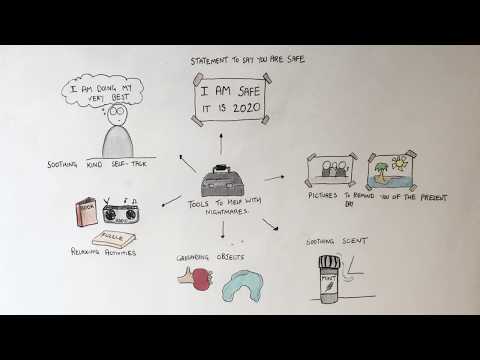
Night terrors, huh? They can really throw you for a loop. You know, that moment when you’re asleep, and suddenly you’re jolted awake, heart racing, gasping for air. It’s like your brain decided to give you a horror movie experience while you’re in dreamland. Seriously not fun.
A good friend of mine used to have them all the time. One night, she woke up screaming about a monster under her bed! Imagine her poor partner trying to calm her down when he was just trying to catch some Zs. Not exactly the cozy bedtime vibe we all want.
So, what’s the deal with coping strategies? Well, if you’re struggling with night terrors or know someone who is, don’t sweat it! I’ve got some ideas that might help make those nighttime freakouts a little less scary and way more manageable. Let’s talk about what works and what doesn’t!
Effective Therapies for Night Terrors: A Guide to Finding Relief
Night terrors can be super unsettling, not just for you but also for anyone who might witness them. Imagine waking up in a panic, feeling like something terrible is happening, even when it’s all just in your head. You might feel trapped, and your heart races. This experience can leave you feeling exhausted the next day, and that’s no fun at all.
So what can help? There’s actually a bunch of effective therapies out there that can make a real difference. Let’s dig into some of these strategies.
Cognitive Behavioral Therapy (CBT) is a biggie when it comes to tackling night terrors. It’s all about changing the way you think about those scary dreams. Through CBT, you’ll work with a therapist to identify triggers and develop coping mechanisms. It’s like training your brain to respond differently. For instance, if stress is one of your triggers, the therapist might help you find ways to manage it better.
Imagery Rehearsal Therapy (IRT) is another approach worth mentioning. This one involves visualizing more positive outcomes while you’re awake. You’d think about those night terrors and rewrite the script in your head—turning scary scenes into something silly or empowering instead. By doing this regularly, you’re slowly rewiring how your brain reacts during sleep.
Next up, exposure therapy can seem counterintuitive at first but stick with me here! In this process, you’ll gradually expose yourself to the images or thoughts that frighten you—under safe circumstances—with guidance from a therapist. Over time, this helps lessen the fear associated with those experiences.
Relaxation Techniques are also super helpful. Think about things like deep breathing exercises or mindfulness meditation before bedtime. They can help chill you out and create a calmer mind state for sleep…you know? Something as simple as calming music or white noise could also set the mood for better sleep quality overall.
And don’t forget about maintaining good sleep hygiene. Having consistent sleep schedules means going to bed and getting up at the same time every day—even on weekends! Cozying up in a comfortable room that’s dark and cool can promote better rest too.
Also really key here: talking openly about what you’re experiencing—whether it’s with loved ones or professionals—can relieve some pressure on you as well.
Remember that if night terrors become too overwhelming or don’t improve over time, it might be worth checking in with a healthcare provider who specializes in sleep issues or mental health.
Night terrors are definitely challenging but not insurmountable! With patience and appropriate therapy strategies tailored for *you*, there’s hope for relief ahead—and that’s something worth hanging onto!
Effective Strategies to Calm Someone Experiencing Night Terrors
Night terrors can be pretty intense, both for the person experiencing them and for anyone who’s nearby. Imagine being jolted awake in the middle of a night, full-on panic mode. It’s heavy stuff. So, what can you do if someone is going through this? Let’s break down some strategies that might help calm them down.
Stay Calm
First off, your energy matters. If you stay cool and collected, it can help diffuse the situation. Seriously, your calmness can be a grounding presence when everything else feels like chaos.
Don’t Try to Wake Them Up
It might seem natural to shake someone awake when they’re in distress, but that could actually make things worse. Instead of waking them up forcefully, just speak softly while they’re still experiencing the night terror.
Create a Safe Environment
Make sure their sleeping area feels safe and secure. This means removing sharp objects or anything that could hurt them during a night terror episode. You want to create a sanctuary where they can rest without fear.
Reassure Them Afterward
Once the episode passes, reassure the person that they are safe and it was just a dream. Talk gently about what happened if they want to discuss it. Sometimes sharing helps take away the weight of those dreams.
Practice Relaxation Techniques
Encourage relaxation methods before bed. Things like deep breathing or visualization exercises can set a peaceful tone for sleep. You know those moments when you’re just drifting off? That calm vibe is what you want to capture.
Consistent Sleep Schedule
Getting into a regular sleep routine can work wonders. Try going to sleep and waking up at the same time every day; this helps regulate their body clock. It creates predictability in their sleep patterns which could lessen the occurrence of night terrors.
Avoid Stimulants Before Bed
If caffeine or other stimulants sneak into their evening routine, it might be causing some havoc with their sleep cycles. Encourage switching to herbal teas or relaxing reads instead—something cozy.
If Necessary, Seek Professional Help
Sometimes it’s more than just occasional bad dreams; persistent terrors may need professional intervention. Consulting with a mental health expert can uncover deeper issues at play—like anxiety or stress—that could be triggering these episodes.
In summary, dealing with night terrors isn’t about quick fixes but rather creating an environment where someone feels supported and safe through those tough moments. Your role in making things calmer is huge—it shows someone that they don’t have to face these struggles alone!
Effective Strategies for Treating PTSD Night Terrors in Adults: A Comprehensive Guide
Night terrors are, like, really tough to deal with. If you’ve ever woken up in a panic, feeling like you can’t breathe or that the world is closing in on you—well, that’s not just the usual nightmare stuff. For adults dealing with PTSD, night terrors can be especially intense and distressing.
The thing is, when you’re having night terrors linked to PTSD, it’s not just a bad dream. It’s your brain trying to process really heavy stuff—trauma experiences and anxiety can bubble up while you sleep. So let’s talk about some effective strategies that might help manage these nighttime episodes.
- Creating a Safe Sleep Environment: You want your bedroom to feel like a cozy haven. Keep it dark, quiet, and cool. Some people find using white noise machines or fans helpful to drown out any unexpected sounds.
- Grounding Techniques: Before bed, try doing some grounding exercises. This could be as simple as focusing on your breathing or counting backwards from 100. It helps bring your mind back into the present moment instead of wandering into anxious thoughts.
- Cognitive Behavioral Therapy (CBT): Working with a therapist who specializes in CBT can be super beneficial. They help you challenge those scary thoughts and replace them with more positive ones over time.
- Gradual Desensitization: This is about gradually exposing yourself to the memories or triggers causing the night terrors—in a controlled way. It’s usually done through therapy and can help lessen their intensity.
- Sleep Hygiene: Seriously important! Stick to a consistent sleep schedule—going to bed and waking up at the same time every day helps regulate your body clock. Also avoid caffeine or heavy meals close to bedtime.
- Mindfulness Meditation: Practicing mindfulness has huge potential for calming the mind. Even spending 10 minutes daily focusing on your breath can create shifts in how you handle stress overall.
- witnessing Positive Imagery: Before drifting off, imagine a serene scene—or even something silly that makes you laugh! Creating positive mental images can counteract anxiety-filled thoughts as you’re falling asleep.
A friend of mine once shared how she started painting before bed instead of scrolling through her phone for hours each night. She said it cleared her head! It also became part of her winding down routine which really helped reduce her night terrors over time.
If those strategies don’t seem enough on their own—don’t hesitate to reach out for professional support! Sometimes medication may be necessary if the symptoms are really severe; talking with someone knowledgeable can help guide you there too!
The bottom line? You’re not alone in this fight against night terrors connected to PTSD. Small changes and supportive strategies can make a big difference in reclaiming peaceful nights again!
Night terrors can feel like a real-life horror movie, don’t you think? You’re sound asleep, then suddenly, boom! You’re jolted awake, heart racing, maybe feeling like you’re in the middle of a nightmare. It’s like your brain decided to throw a surprise party for anxiety while you weren’t looking.
I remember a friend sharing their experience with night terrors. They described how they’d wake up screaming but couldn’t quite remember why. They felt embarrassed and scared, worried about what their roommates thought. It was tough because not only were they dealing with these terrifying episodes, but they also had to face the aftermath—like explaining themselves to others and feeling drained during the day.
So let’s talk coping strategies. First off, creating a calming bedtime routine might help. You know, things like dimming the lights an hour before bed or reading something light instead of scrolling social media can really set the mood for sleep. It’s all about making your space feel safe and cozy.
Another idea is keeping a sleep diary. Sounds kinda weird but hear me out—writing down when these night terrors happen can help identify patterns or triggers. Maybe it’s stress from work or something else that’s been bothering you during the day. If you notice some common threads, it could be easier to address those issues head-on.
And hey, don’t forget about relaxation techniques! Deep breathing might seem cliché but seriously—it works wonders. Just focusing on your breath for a few minutes can ease that overwhelming feeling and prepare your mind for some restful sleep.
Talking to someone is also huge! Whether it’s friends who get it or even a therapist who knows how mental health stuff works—they can offer support and guidance that’s often golden when you’re navigating this kind of thing.
If things get really intense and start affecting your daily life more than you’d like, consulting with a healthcare professional might be worth considering too. Sometimes medication can help balance out those nighttime freak-outs if other methods aren’t cutting it.
At the end of the day, dealing with night terrors isn’t exactly fun—not at all—but there are ways to take back control over your sleep. Little steps like these not only make nights easier but also help you wake up feeling more refreshed and ready to tackle whatever comes your way!